
TSLA404.110-5.88%
GM72.630-0.47%
F13.0600.03%
RIVN12.900-0.45%
CYD50.420-0.02%
HMC25.3200.11%
TM185.470-1.9%
CVNA63.415-2.605%
PAG156.460-3.29%
LAD257.090-7.8%
AN178.590-3.35%
GPI305.470-11.71%
ABG177.5001.22%
SAH72.870-1.19%
TSLA404.110-5.88%
GM72.630-0.47%
F13.0600.03%
RIVN12.900-0.45%
CYD50.420-0.02%
HMC25.3200.11%
TM185.470-1.9%
CVNA63.415-2.605%
PAG156.460-3.29%
LAD257.090-7.8%
AN178.590-3.35%
GPI305.470-11.71%
ABG177.5001.22%
SAH72.870-1.19%
TSLA404.110-5.88%
GM72.630-0.47%
F13.0600.03%
RIVN12.900-0.45%
CYD50.420-0.02%
HMC25.3200.11%
TM185.470-1.9%
CVNA63.415-2.605%
PAG156.460-3.29%
LAD257.090-7.8%
AN178.590-3.35%
GPI305.470-11.71%
ABG177.5001.22%
SAH72.870-1.19%

Stellantis, GM fined for failing to meet U.S. fuel economy requirements

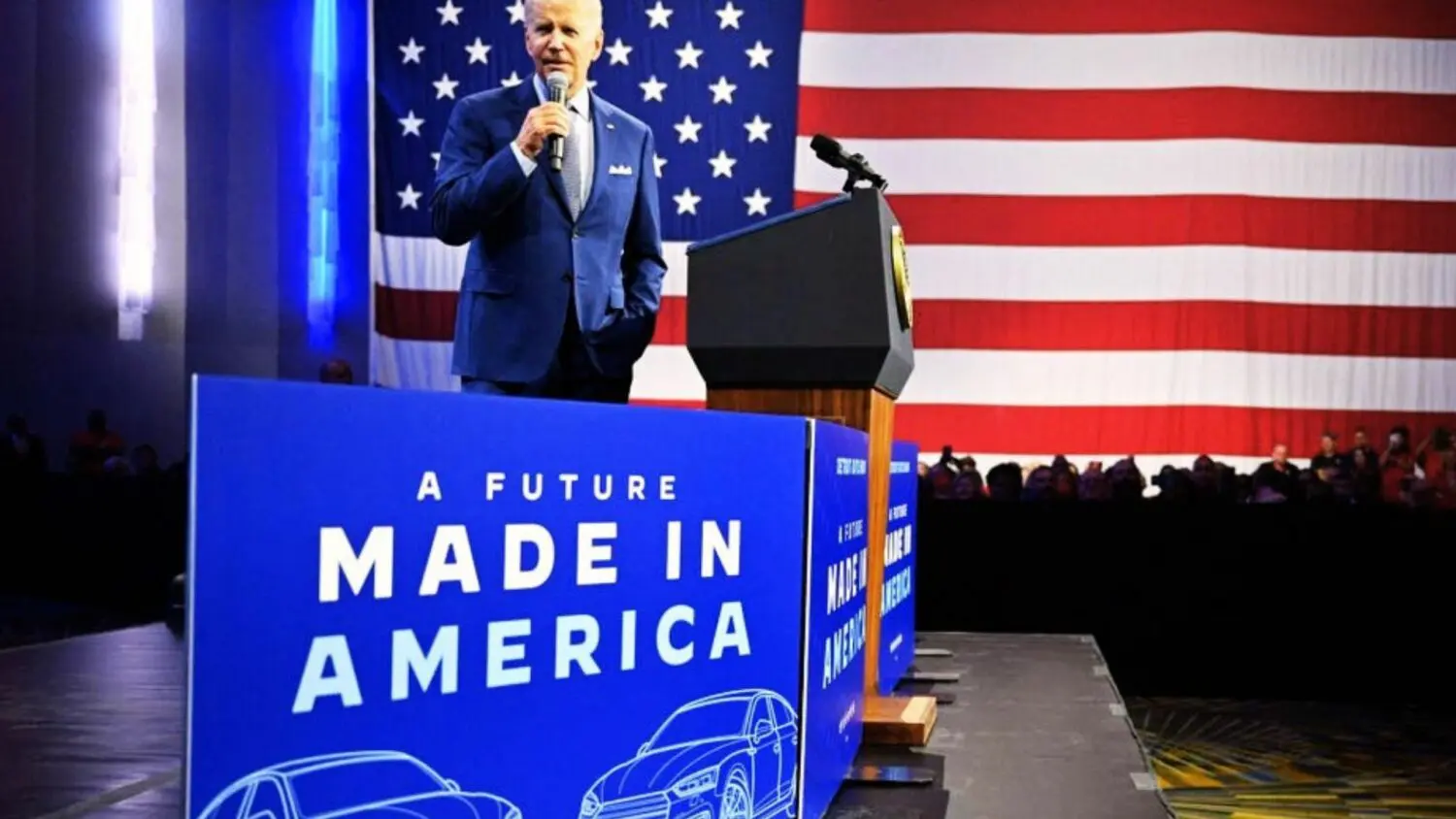
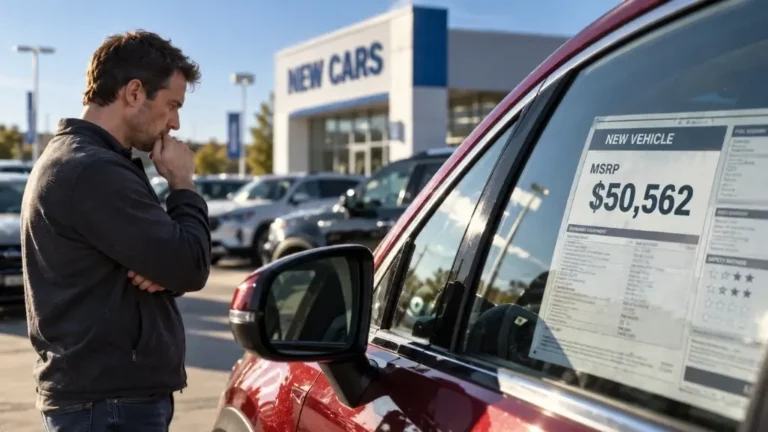
NHTSA dramatically increased fuel economy criteria in April 2022, overturning former President Donald Trump's reversal of US regulations intended to increase gas mileage.

Image Source: David Butow- GETTY IMAGES

Stellantis and General Motors paid a total of $363 million in civil penalties for failing to meet U.S. fuel economy requirements for prior model years. 

The National Highway Traffic Safety Administration, which administers the Corporate Average Fuel Economy (CAFE) program, reported record-setting penalties, including $235.5 million for Stellantis for the 2018 and 2019 model years and $128.2 million for G.M. covering 2016 and 2017. 

According to Stellantis, the penalty “reflects past performance recorded before the formation of Stellantis and is not indicative of the company’s direction.”

Additionally, It’s important to note that Stellantis previously paid $156.6 million in penalties for the 2016 and 2017 model years.

On the other hand, G.M. stated, “In order to comply with the increasingly strict CAFE regulations as we work towards the goal of a zero-emissions future, we may use a combination of credits from prior model years, expected credits from future model years, credits obtained from other manufacturers, and payment of civil penalties.”

NHTSA dramatically increased fuel economy criteria in April 2022, overturning former President Donald Trump’s reversal of U.S. regulations to improve gas mileage. The organization expanded its requirements for fuel efficiency by 8% for the 2024 and 2025 model years and by 10% for the 2026 model year.

According to the EPA, Stellantis had the worst real-world fuel economy among the major automakers in December, averaging 21.3 miles per gallon in 2021, with G.M. coming in second with 21.6 mpg. In addition, for the model years 2019 to 2021, the fine is $14, up from $5.50 for every 0.1 miles per gallon; new vehicles fall short of the necessary fuel economy standard. Then multiply it by the quantity of non-compliant vehicles sold. For 2022, the figure rose to $15.


Further Reading
More from Articles
Ford, Filson revive Bronco collaboration with new production SUV

Ford, Filson revive Bronco collaboration with new production SUV

- May 20, 2026
On the Dash: Ford continues expanding the Bronco lineup with niche lifestyle trims aimed at enthusiast buyers. The Bronco Filson could help dealers attract premium outdoor and overlanding customers. Brand...
EU advances U.S. trade deal as Trump tariff deadline nears

EU advances U.S. trade deal as Trump tariff deadline nears

- May 20, 2026
On the Dash: A finalized EU-U.S. trade deal could stabilize vehicle import costs and reduce tariff uncertainty for global automakers. The threatened 25% tariffs on European vehicles remain a major...
GM to assemble Chevrolet Groove and Aveo in Mexico starting in 2027

GM to assemble Chevrolet Groove and Aveo in Mexico starting in 2027

- May 20, 2026
On the Dash: GM is localizing production in Mexico as regional manufacturing strategies continue shifting under global trade pressures. Strong Aveo demand highlights continued consumer appetite for affordable entry-level vehicles...
Toyota, Nissan prepare dealers for potential synthetic oil shortages

Toyota, Nissan prepare dealers for potential synthetic oil shortages

- May 20, 2026
On the Dash: Dealers may need to manage tighter synthetic oil inventories and prepare customers for temporary lubricant substitutions. Hybrid-heavy service departments could face increased maintenance delays if ultra-thin oil...
CBT News
Privacy Overview

This website uses cookies so that we can provide you with the best user experience possible. Cookie information is stored in your browser and performs functions such as recognising you when you return to our website and helping our team to understand which sections of the website you find most interesting and useful.