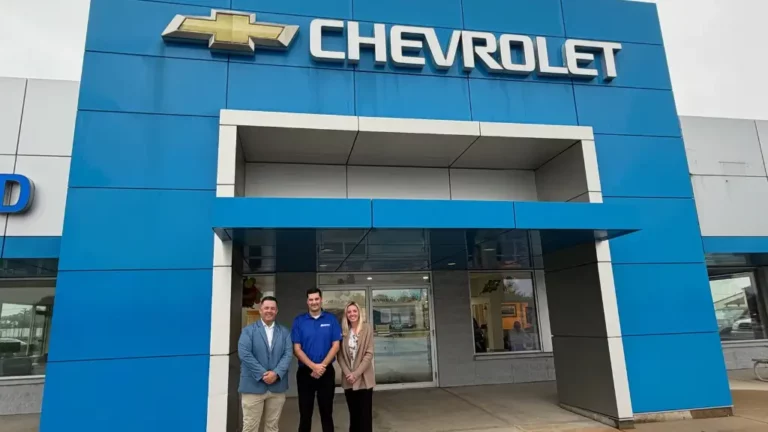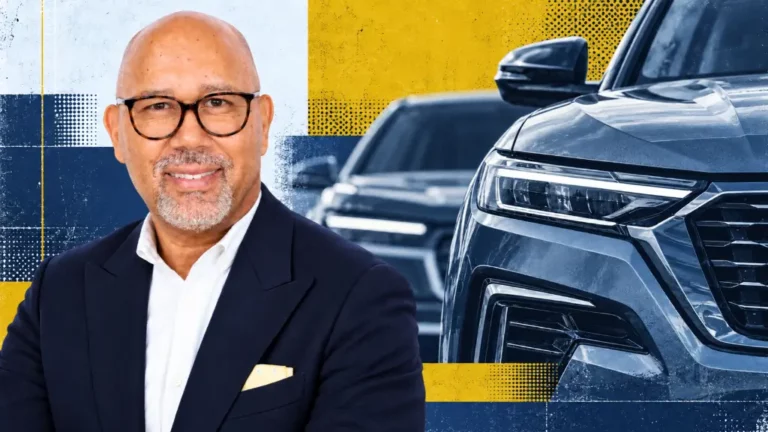
Affordability pressure, a slower EV market and mounting scrutiny over pricing transparency are forcing dealers to rethink how they sell and service vehicles. Manny Sedano of Sedano Automotive Group is one of those dealers adapting to the shift. The group’s portfolio includes Chevrolet, Ford, Lincoln, and Volkswagen brands, as well as a used-vehicle dealership in the greater San Diego area.
Sedano joins us on today’s episode of Inside Automotive for a closer look at how his stores are managing rising financing costs, shifting EV demand and new pricing disclosure rules while staying competitive in a tight economy.
Adjusting to the affordability crunch
Affordability, Sedano says, is the biggest challenge shaping customer behavior at his stores, with rising prices and higher interest rates pushing buyers to search for better deals across the board.
"Everyone's prices have gone up, interest rates are higher. So people are looking for better deals."
72-month financing has become standard for many buyers, with some dealers writing 84-month contracts to keep payments manageable. But Sedano says his stores try to avoid the longer terms when possible. For instance, at his Ford dealership, Sedano credits Ford’s flex plan for giving the dealership room to lower payments without stretching out the loan. That also helps shorten the trade cycle, Sedano says.
The rise of mobile service
When sales slow, Sedano says his stores shift their focus to service. His Ford and Lincoln stores run six mobile service vans, offering fit-and-finish work and software recall repairs. They also offer pickup and delivery for customers who don’t want to bring their vehicle in.
His Chevrolet store takes a slightly different approach to mobile service. The brand’s mobile service van was launched primarily to support EV service packages and isn’t as well built out as the Ford program, he said. But, the demand for mobile service is growing. Sedano points to independent mobile service operators who are already buying parts from his dealership as a sign dealers shouldn’t wait to build out their own programs.
Higher gas prices driving hybrid, used-EV sales
EV sales dropped after the federal government pulled its incentive, Sedano said. But he said California still leads the country in EV sales, particularly in the pre-owned market. With gas prices topping $5 a gallon in California, many customers are looking at hybrid options.
On the Ford/Lincoln side, Sedano said many customers gravitate toward hybrids, pointing to Lincoln’s Nautilus as an example.
Chevrolet doesn’t offer any hybrids in its lineup, Sedano said, but many customers are finding value in used Chevrolet EVs like the Blazer EV and Equinox EV, which often sell for about half the price of new ones. Many of his customers, he said, are looking at EVs as a second vehicle rather than their primary one.
Questioning Scout’s DTC sales model
Sedano is also a Volkswagen dealer. He calls the automaker’s investment in Scout Motors a missed opportunity. The Volkswagen subsidiary is being marketed directly to consumers, leaving dealers like Sedano wondering why the automaker didn’t make it available for sale through its existing dealer network.
"There's no reason why a Volkswagen dealer or even an Audi dealer could not retail this model. Absolutely no reason."
Volkswagen of America has told dealers the Scout decision falls outside its control, according to Sedano, since the plan originates from Volkswagen’s parent company in Germany. He said dealers are left relying on media coverage for updates.
Sedano also tied Volkswagen’s recent sales struggles to distribution and marketing missteps following last year’s tariff rollout. He said the brand pulled back support for its models for months at a time, and dealers are still feeling the effects.
Vision for the second half of 2026
Heading into the second half of 2026, Sedano said his focus is on training and retaining his sales team, particularly as Volkswagen’s brand struggles continue. He said it’s important to keep people focused, supported and thinking long term, even when a brand in the portfolio is underperforming.
Competitiveness will also depend on how OEMs handle regional support, Sedano said. Uneven tier-one and tier-two backing often pushes dealers to undercut each other rather than compete on service.
Sedano expects the added scrutiny on pricing from the Federal Trade Commission (FTC) and OEM support to ultimately make the industry stronger. Customers are tired of inconsistent pricing, he said, and heavy discounts can ultimately hurt the brand’s value over time.