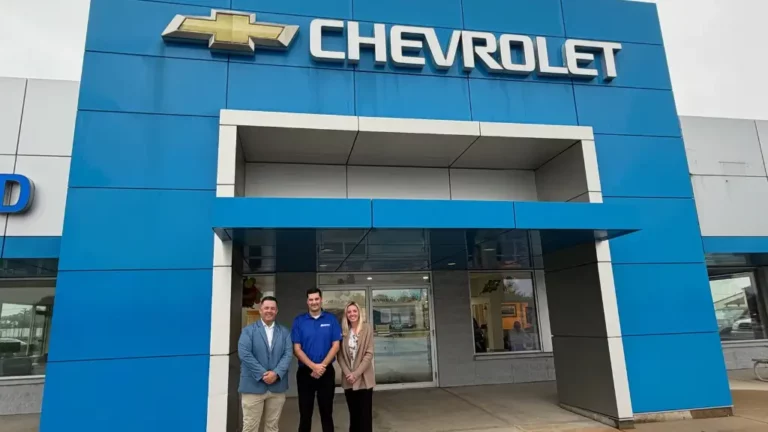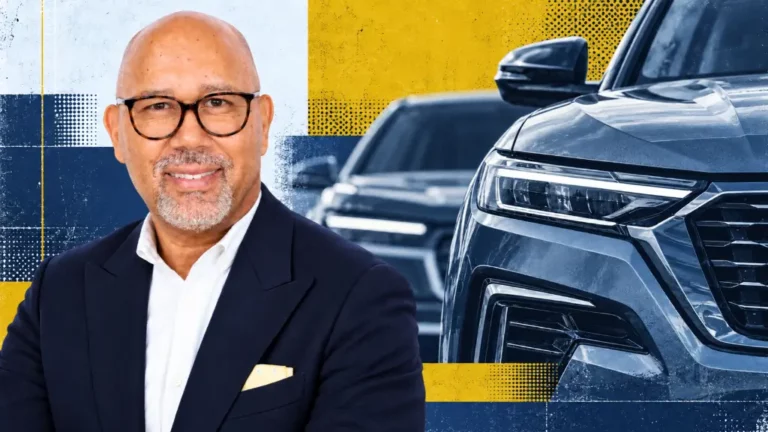
Attracting new business and service is especially a top priority in automotive, but long-term success in fixed operations often comes down to retention. With ongoing retention pain points, Spencer Nicholson, Fixed Ops Director at Stuckey Automotive, joins us on today’s Service Drive episode to share strategies helping his Central Pennsylvania dealership group keep customers coming back.
As the industry grapples with a 30% to 32% retention rate, Nicholson said Stuckey Automotive has made growing customer-pay repair orders a top organizational priority this year, targeting a 10% increase. The group has already achieved an 8% increase, driven by strategies that challenge common misconceptions about dealership service.
While many consumers assume independent repair shops offer faster service at a lower cost, Nicholson argues that’s often not the case. He said Stuckey’s oil changes remain competitively priced, and customers can typically schedule service as soon as the next day, even for diagnostic work. That first impression, he added, often turns into a long-term relationship.
Retention starts with first customer experience
According to Nicholson, one of the biggest mistakes dealerships make is failing to introduce customers to the service department before they leave the showroom. Stuckey Automotive, which sells roughly 9,000 vehicles annually, requires a sales-to-service introduction for every new customer to establish a relationship before the customer’s first service visit.
"It's a whole heck of a lot cheaper to get them at that point than it is to advertise to try to get them back in,"
The dealership also leverages its service drive as an acquisition tool, contacting customers before their appointments to offer complimentary trade appraisals. Nicholson said the group is targeting a 5% service-drive acquisition rate by year-end.
Video inspections build retention
Just as important, Nicholson considers advisor walk-arounds a “non-negotiable,” despite the time pressures many dealerships face during busy mornings. He believes those few minutes are critical to building trust before discussing repair recommendations.
That early rapport pays dividends later, when advisors recommend additional maintenance or repairs. Nicholson said customers are far more receptive after a personal interaction than if the first meaningful conversation happens over the phone.
Transparency is another pillar of Stuckey’s retention strategy, as nearly 95% of customer repair orders now include technician video inspections. This gives customers a firsthand look at their vehicle’s condition. Nicholson notes that the videos not only improve repair approvals but also reinforce trust when customers seek second opinions elsewhere.
Ultimately, Nicholson sees leadership development as one of the group’s biggest priorities. As Stuckey Automotive continues to expand, he said preparing advisors, managers and technicians for larger roles will be essential to sustaining long-term growth.