
The trend of using ridesharing services, like Uber and Lyft, gained popularity seemingly overnight. Within the last five years, ridesharing through these and other companies has expanded greatly, reaching nearly every city and town, big or small, around the globe. For automotive service centers, this trend toward ridesharing could lead to an increase in profits.
Initially, ridesharing services may have intimidated automotive service centers. At first glance, it seems as though these companies would drastically cut into service centers’ profits. After all, the more people who are ridesharing means the fewer cars there are on the road. However, as ridesharing increases in popularity, automotive service centers can capitalize on those who are choosing to drive for a living.
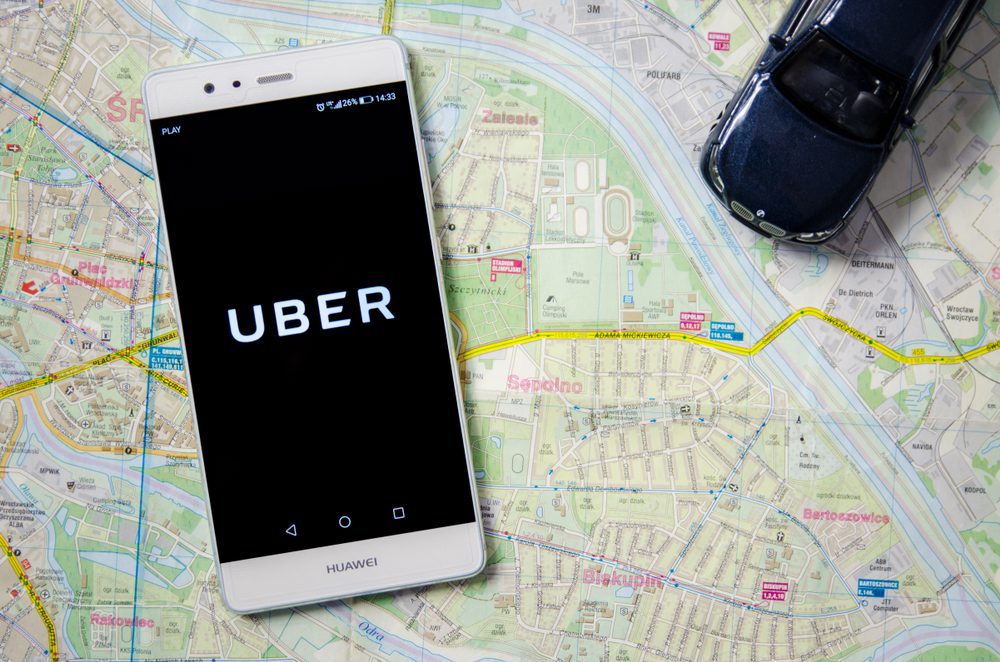 Between the two most popular ridesharing services in the United States, there are over one million people signed up to be drivers. Statistics show that, for Uber alone, just under 500,000 rides are made each day. Many of these drivers also have other jobs and use ridesharing as supplemental income. This means that they are putting the regular wear and tear on their vehicle from commuting, as well as extra wear and tear from using their vehicle to rideshare.
This increase in drive time leads to these vehicles needing more maintenance. Since routine maintenance is the bread and butter of the automotive service industry, cars being driven more is great news for service centers. Oil changes, brake changes, tire rotations, and other basic maintenance will be performed much more often on vehicles that are used for ridesharing.
Between the two most popular ridesharing services in the United States, there are over one million people signed up to be drivers. Statistics show that, for Uber alone, just under 500,000 rides are made each day. Many of these drivers also have other jobs and use ridesharing as supplemental income. This means that they are putting the regular wear and tear on their vehicle from commuting, as well as extra wear and tear from using their vehicle to rideshare.
This increase in drive time leads to these vehicles needing more maintenance. Since routine maintenance is the bread and butter of the automotive service industry, cars being driven more is great news for service centers. Oil changes, brake changes, tire rotations, and other basic maintenance will be performed much more often on vehicles that are used for ridesharing.
For example, depending on the vehicle and type of oil used, the average mileage between oil changes is around 5,000 to 7,500 miles according to AAA. The experts at RideGuru estimate that a full-time driver for a ridesharing company will drive an average of 1,000 miles per week. Even in a vehicle that uses full-synthetic oil and is driven to its maximum recommended miles for an oil change, a full-time rideshare driver will need at least five oil changes each year. Vehicles with a lower recommended oil change mileage will need at least eight oil changes each year. That is a huge increase from the two to three oil changes most Americans will have performed on their car annually. While oil changes alone for rideshare drivers can greatly increase the profits of automotive service centers, there are many other services these drivers will need more frequently. When considering other maintenance services, like brake pads, fluid checks, tire rotation, and more, these potential profits are astronomical. Automotive service centers can attract this growing number of drivers with targeted advertising and specials. Offering a percentage off their routine maintenance, rewards programs for high-mileage drivers, or incentive programs for patronage and referrals can help bring more high-mileage rideshare vehicles into automotive service centers and put more money into the business. Instead of looking at businesses like Uber and Lyft as if they are cutting into automotive service center profits by taking cars off the road, service centers should embrace this trend toward ridesharing and make it as profitable as possible for them. The shift toward ridesharing will likely only get bigger, so service centers that prepare for the large increase in ridesharing and appeal to Uber, Lyft, and other drivers will have a much better position in the future marketplace.