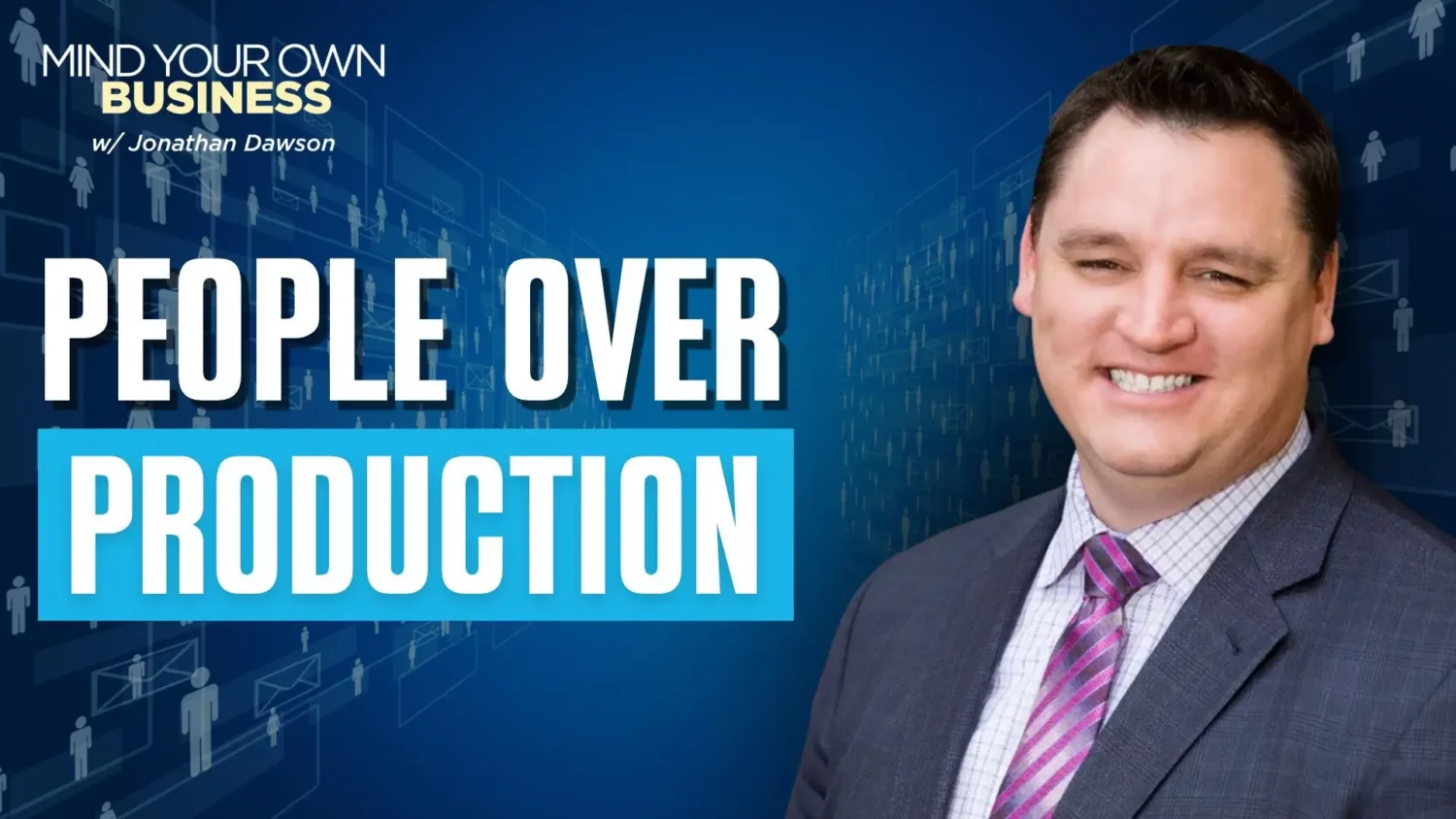
At Cherokee Mitsubishi, Dealer Principal Jonathan Dawson is testing how far a dealership can go by putting people before convention. From a lean sales floor and community-driven marketing to weekend closures, Dawson is building a model centered on productivity, culture and customer trust. He joins today’s CBT Live to discuss his retail model, which features leaner staffing, community-driven marketing and an unusual decision to close the store on Saturdays and Sundays through the end of the year.
According to Dawson, Cherokee Mitsubishi sold 86 vehicles last month with three and a half salespeople, while its advertising expense came in at roughly $35 per vehicle sold before credits. Rather than relying on a traditional headcount model, Dawson is focused on what he calls “Mission 22,” the belief that a salesperson scheduled for 22 days should have the opportunity and support to average a vehicle a day. He also notes that social media, personal branding and community engagement have helped the store generate traffic without leaning heavily on paid advertising.
For Dawson, closing on the weekend is the more visible test of that philosophy. He stressed that he is not prescribing the model for every dealer, but said his leadership team concluded that fear of lost business was not enough reason to reject it. After a unanimous employee vote, Cherokee Mitsubishi committed to operating weekdays only through year-end, giving the team more time away from the store while tracking whether the model can remain consistently profitable. Dawson said early customer feedback has been encouraging, but the business will ultimately determine whether the experiment continues.
Nevertheless, Dawson is pairing that people-first culture with clearer accountability. He said that Cherokee Mitsubishi uses an AI tool called “AUGUST” to capture customer conversations from the initial interaction through F&I, creating a record for training, compliance and fraud review. When an employee flags a potentially fraudulent deal, Dawson said the salesperson can still receive a base commission if the concern is substantiated. The goal is to remove the financial pressure that might otherwise discourage employees from raising concerns while protecting the dealership and its customers.