On the Dash:
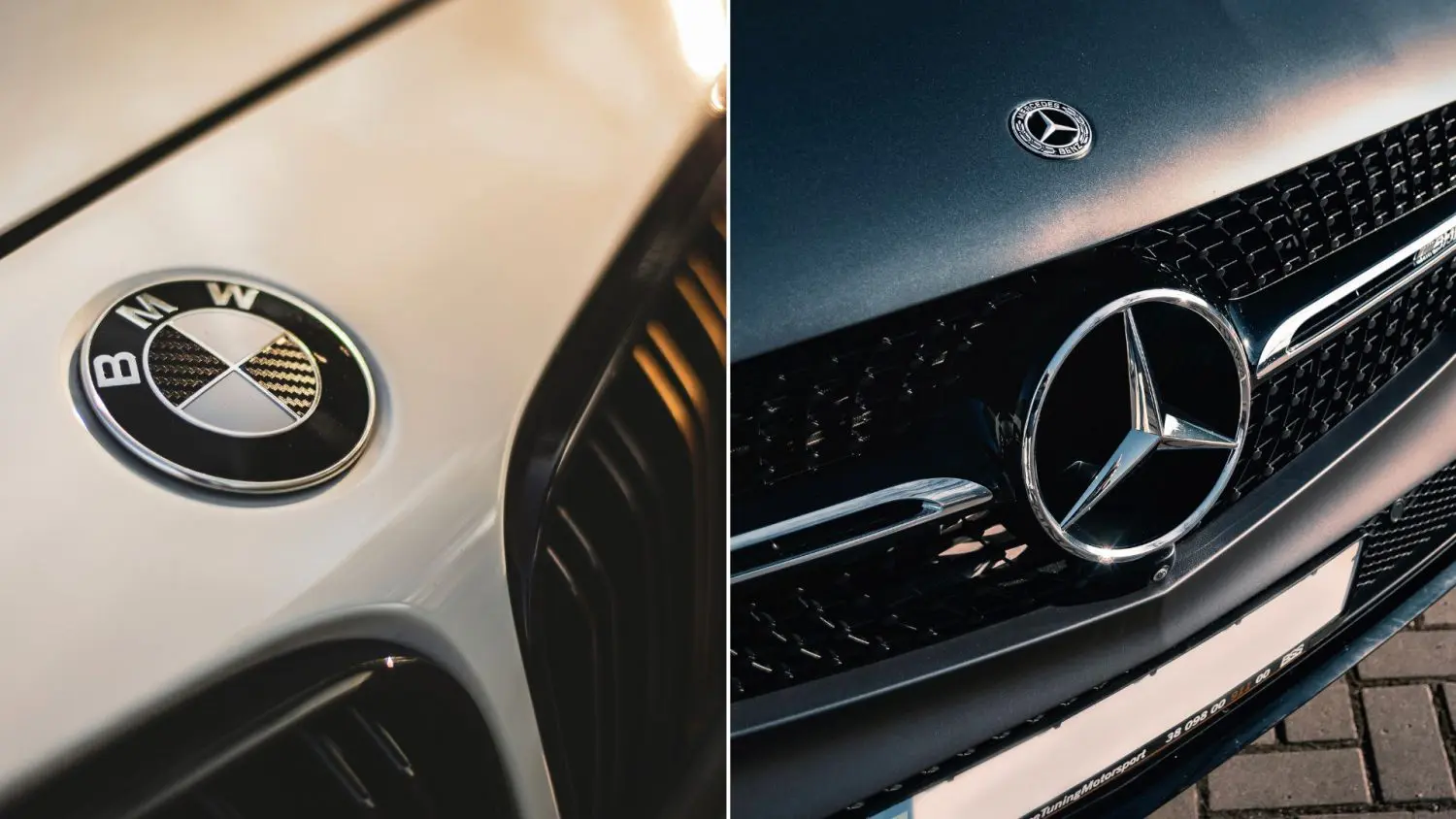
- Mercedes-Benz sales declined 12% in Q3 to 525,300 vehicles, primarily due to U.S. tariffs and weakening demand in China, while Germany and other regions showed stronger performance.
- BMW reported third-quarter growth, with 588,300 vehicles sold, led by strong performances in Europe and the U.S.
- Both automakers are navigating global trade tensions, shifting market dynamics, and evolving EV demand, with Mercedes impacted more by tariffs and competition in China, while BMW remains resilient in other regions.
Mercedes-Benz car and van sales fell 12% in the third quarter to 525,300 vehicles as challenges in China and U.S. auto tariffs weighed on consumer demand. President Trump imposed a 25% duty on imported cars and parts entering the United States in early April, later lowering the rate to 15% for vehicles shipped from the EU. The automaker said the tariff policies primarily affected sales in the U.S. and China, while it carefully managed U.S. stock levels to mitigate the impact.
In the U.S., Mercedes sales dropped 17% to 70,800 vehicles, while in China, the company’s largest single market, sales fell 27% to 125,100 cars. In contrast, Mercedes’ home market of Germany recorded a 3% increase in vehicle sales. Battery-electric vehicle sales increased by 9% year-over-year, driven by the launch of the electric CLA model and improved availability of electric vans.
Mercedes observed that strong sales continued in Europe, South America, and the Gulf States; however, market conditions in China significantly impacted the company’s overall performance in the third quarter.
The Chinese auto market has undergone significant shifts, with electric vehicles driving local consumer demand and an intensifying price war among domestic manufacturers. Trade tensions with Western countries have further complicated the market environment for Mercedes and other foreign automakers.
Conversely, BMW posted strong gains in the third quarter, selling 588,300 vehicles, representing an 8.8% increase over the same period last year. Sales in Europe rose 9.3%, while U.S. sales went up 24.9%, driven by high demand across both markets and for the MINI brand.
Despite the sales growth, BMW lowered its 2025 earnings forecast due to slower growth in China and the effects of U.S. import tariffs. The company now expects a slight decline in group earnings before tax, down from previous guidance that earnings would remain at 2024 levels. BMW also reduced its anticipated return on capital employed for the automotive business to 8–10%, compared with 9–13% previously.
BMW noted that reimbursements of customs duties from U.S. and German authorities, totaling a high three-digit-million figure, are now expected in 2026 rather than 2025. This adjustment will reduce the expected free cash flow for the automotive business to above 2.5 billion euros ($2.9 billion), roughly half of the previously projected 5 billion euros. The company maintained its dividend payout ratio at 30–40% of net income attributable to BMW AG shareholders and confirmed its commitment to the ongoing share buyback program.