TSLA422.240-21.06%
GM74.860-2.89%
F13.410-1.07%
RIVN13.790-0.73%
CYD50.000-1.02%
HMC26.1800.51%
TM190.6800.18%
CVNA67.170-2.36%
PAG162.180-6.88%
LAD261.920-12.84%
AN184.150-8.5%
GPI313.620-20.71%
ABG179.170-13.92%
SAH73.960-3.88%
TSLA422.240-21.06%
GM74.860-2.89%
F13.410-1.07%
RIVN13.790-0.73%
CYD50.000-1.02%
HMC26.1800.51%
TM190.6800.18%
CVNA67.170-2.36%
PAG162.180-6.88%
LAD261.920-12.84%
AN184.150-8.5%
GPI313.620-20.71%
ABG179.170-13.92%
SAH73.960-3.88%
TSLA422.240-21.06%
GM74.860-2.89%
F13.410-1.07%
RIVN13.790-0.73%
CYD50.000-1.02%
HMC26.1800.51%
TM190.6800.18%
CVNA67.170-2.36%
PAG162.180-6.88%
LAD261.920-12.84%
AN184.150-8.5%
GPI313.620-20.71%
ABG179.170-13.92%
SAH73.960-3.88%

EV charging costs average of $1.41 per eGallon, less than half the cost of gas

The national average for an "eGallon" is less than half the current price of gas, implying that charging an EV remains more affordable.

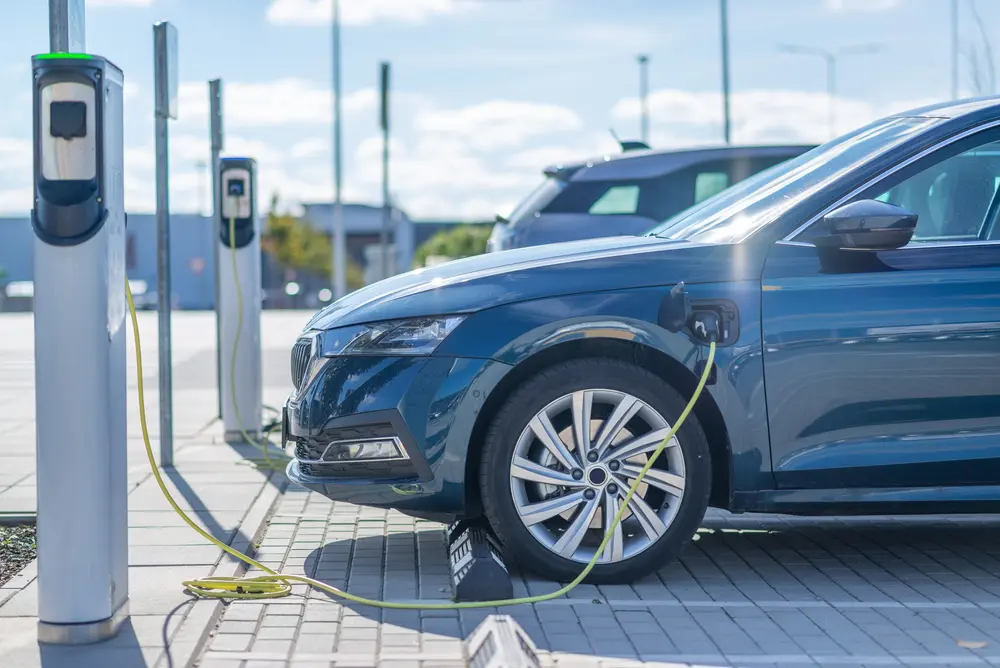
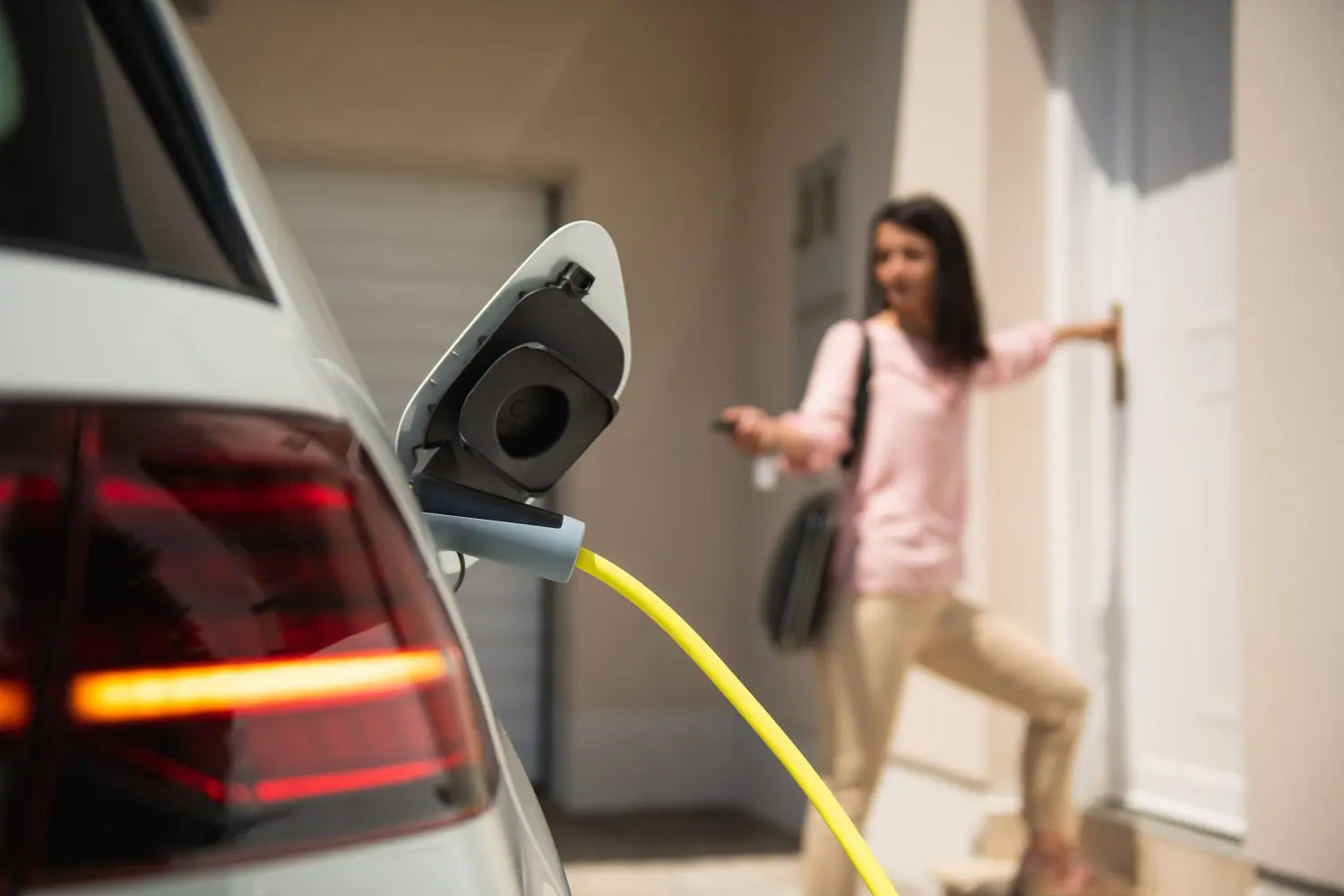
In most areas of the U.S., charging an electric vehicle (EV) costs about $1 or $2 per gallon of gasoline [as of January 5]. The national average for an “eGallon” is $1.41, less than half the current price of gas, which is $3.09 per gallon.

For example, in Connecticut, charging an EV costs the equivalent of $2.53 per gallon of gas. While in Utah, charging an EV costs around $1.02 per gallon of gas. Additionally, in Wisconsin, charging an EV costs the equivalent of $1.24 per gallon of gas.

The Department of Energy came up with the “eGallon” concept by taking into account the following factors:

– The average miles per gallon for a comparable gasoline-powered car.

– The average kilowatt-hour per mile for an electric vehicle.

– The cost of electricity.

According to research discovered by Yale Climate Connections, multiplying these three figures results in the cost of driving an EV over the same distance a conventional car would travel on a single gallon of gas. The most affordable and environmentally friendly way to get around is by bicycle, on foot, or on public transportation. However, EVs are less expensive to operate than comparable gasoline-powered vehicles and produce less carbon emissions, making them a good choice for personal transportation needs. 

At less than $1 per gallon-equivalent, Washington State and Louisiana have the lowest residential energy prices, making them the most affordable states to charge an EV. In Washington state, gas prices are more than $4 per gallon, so driving an EV is particularly cost-effective. Ultimately, EV charging costs less than 25% of the cost of gas.

Because power is more expensive in Hawaii and California than in other states, charging an EV there is significantly more costly than in other places. Nevertheless, fueling an EV is still less expensive because gasoline is also expensive in those areas. 

Further Reading
More from Daily Automotive News
GM hits the breaks on electric trucks as reality crashes the EV party

GM hits the breaks on electric trucks as reality crashes the EV party

- May 18, 2026
For years, Americans have been told the future of driving is settled. Electric vehicles would take over, gas engines would fade away, and anyone questioning the timeline was “anti-progress.” That...
Ken Ganley Auto Group acquires Mercedes-Benz of Bedford in Ohio from Penske (1)

Ken Ganley Auto Group acquires Mercedes-Benz of Bedford in Ohio from Penske

- May 15, 2026
Ken Ganley Auto Group has acquired Mercedes-Benz of Bedford in Ohio from Penske Automotive Group. The transaction closed on May 6, 2026, and the dealership will retain its name and...
Garber Automotive Group acquires Grieger's CDJR in Valparaiso, Indiana

Garber Automotive Group acquires Grieger’s CDJR in Valparaiso, Indiana

- May 14, 2026
Garber Automotive Group has acquired Grieger's Chrysler Dodge Jeep Ram in Valparaiso, Indiana, from Grieger's Motor Sales, Inc. The dealership will remain at its current location and has been renamed...
Why the military just called Detroit's Big Three automakers

Why the military just called Detroit’s Big Three automakers

- May 14, 2026
There’s a conversation happening behind closed doors in Washington that should make every American pay attention, and it has nothing to do with EV mandates or fuel economy targets. This...
CBT News
Privacy Overview

This website uses cookies so that we can provide you with the best user experience possible. Cookie information is stored in your browser and performs functions such as recognising you when you return to our website and helping our team to understand which sections of the website you find most interesting and useful.