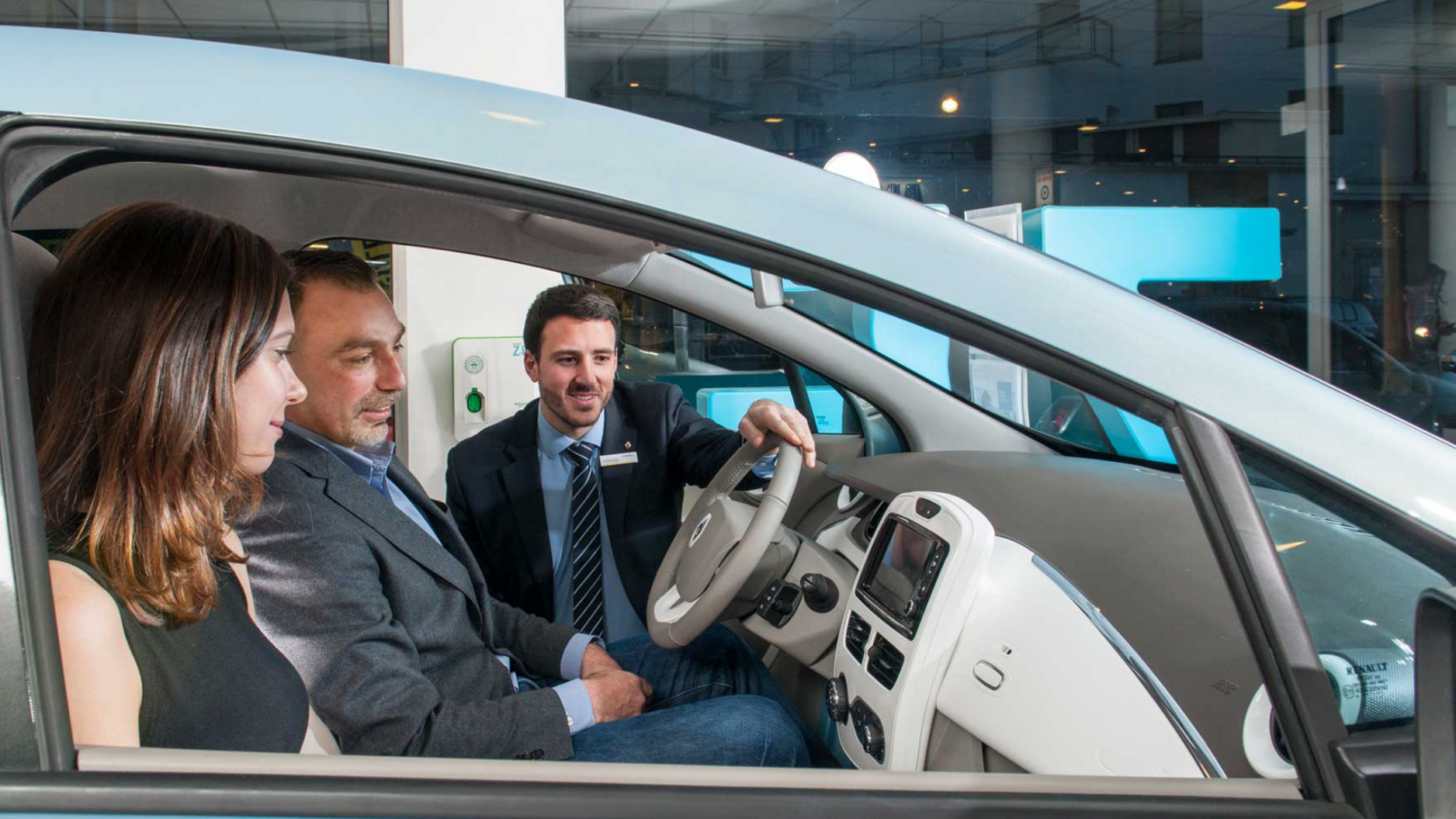
According to the 2022 EVForward Dealer DeepDive survey, electric vehicle owners and prospective buyers prefer an in-dealer experience versus a purely digital shopping experience.
The survey was conducted by EVForward, which is part of advisory firm Escalent, and is intended to measure the attitudes, opinions, and shopping behaviors of current and future EV buyers reports Automotive News. The survey began last year as a way to understand shopper reactions to increasing online retail models.
“So we de-badged or de-branded some of the experiences that these EV specialist automakers are using and we said, you know, what’s your reaction to this? Is this something that would be a net positive or a net negative?” said KC Boyce, Escalant’s vice president of powertrain innovation and energy transformation.
“And a lot of the things that the EV specialist manufacturers are doing really are net negatives to customers,” he said.
The 2022 Dealer DeepDive report surveyed 1,289 people, including 88 EV owners. The survey grouped respondents based on their likelihood of purchasing an electric vehicle in the future. The survey labels those most likely to shop for an electric vehicle as EV intenders. Those who are somewhat likely are labeled EV opens, and EV resistants are those who are more comfortable with gas-powered cars.
According to the results, prospective EV buyers prefer using both online and in-person resources when shopping for an electric vehicle. The survey found that 74% of respondents would prefer buying at a dealership rather than from an auto manufacturer or third party.
Those who already own an EV, are likely to buy one in the future, or belong to a younger demographic, are more likely to prefer buying directly from an automaker. However, the desire to purchase directly from a dealership still dominated each group.
The survey showed that certain EV specialist shopping features were measured as unpopular, including third-party call centers, limited showrooms, online vehicle purchases, and delivery wait times for vehicle orders.
Boyce said automakers should provide general information to buyers online but focus on in-person arrangements for financing, test drives, and maintenance.
“Those are things that customers really want to be able to do in person and have someone across the table from them,” he said.
Did you enjoy this article? Please share your thoughts, comments, or questions regarding this topic by connecting with us at newsroom@cbtnews.com.
Be sure to follow us on Facebook, LinkedIn, and TikTok to stay up to date.
While you’re here, don’t forget to subscribe to our email newsletter for all the latest auto industry news from CBT News.