As tax refund season begins, auto dealers are closely watching consumer spending trends. At the 2026 NADA Show, Jeremy Robb, Chief Economist at Cox Automotive, identified five major forces shaping the industry this year, including refund-driven demand, affordability pressures, off-lease EV supply, interest rate shifts, and AI adoption.
In the latest episode of Inside Automotive, Robb indicates that average tax refunds are up about 10% year over year, reaching roughly $3,800. While the pace of filings has been slower so far, the bulk of returns is expected to arrive through mid-to-late March. He notes that some of the largest refunds may come later in the season, particularly from filers in higher-tax states, extending the potential demand window for dealerships.
That timing could benefit retailers still recovering from weather-related disruptions earlier in the quarter. Increased refund activity is expected to drive more showroom traffic and online shopping, although not all consumers will direct those funds toward vehicle purchases.
At the same time, broader affordability challenges continue to shape buying behavior. Robb pointed to a growing shift among higher-income consumers toward used vehicles. Rising vehicle prices, along with higher insurance, maintenance, and financing costs, are pushing even well-qualified buyers to reconsider their options.
A growing number of consumers are experiencing significant strain on their household budgets due to monthly payments that are nearing or exceeding $1,000. As Robb explains, this persistent pressure point is evident in rising delinquency and default rates across the automotive and other lending sectors, highlighting the critical need for affordability in the current market.
The industry is entering a new phase as supply dynamics begin to shift. After several years of constrained inventory, a recovery in off-lease volumes is underway, particularly in the electric-vehicle segment.
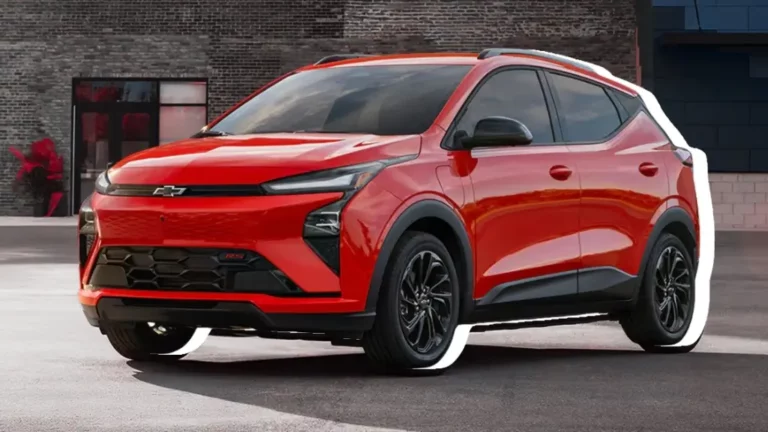
Robb said EVs accounted for about 5% of off-lease volume last year but are expected to rise to roughly 12% in 2026. Within the next few years, that figure could exceed 20% as more leased EVs return to the market. The influx will introduce a wider range of models from multiple automakers, creating new opportunities for both dealers and consumers.
He added that today’s used EVs are more competitive than earlier generations, offering improved range, battery life, and technology. While adoption will likely vary by region, lower price points in the used market could help broaden appeal and accelerate demand over time.
“Geographically speaking… there will be opportunity for dealers that want to lean into [EVs], and I think we're going to see consumer adoption on the used vehicle side, probably from the price point too."
Macroeconomic conditions remain a key variable. Inflation, tariffs, and geopolitical uncertainty continue to influence both vehicle pricing and consumer sentiment. While there is growing expectation that interest rates could begin to ease later in the year, those changes have not yet fully translated into lower automotive loan rates.
Robb said underlying lending trends are complex, with some improvements in prime segments offset by a higher mix of subprime borrowers. As a result, overall financing conditions remain challenging for many consumers.
Even so, there are signs that certain areas of the business could benefit from improved consumer liquidity. Robb noted that some households may use tax refunds to address delayed maintenance and repair needs, which could provide a near-term boost for service departments.
Looking further ahead, he described 2026 as a potential turning point for AI adoption across the industry. While measurable productivity gains remain difficult to quantify, many early adopters report meaningful efficiency gains.