On the Dash:
- Fed votes to hold key interest rate at 3.75% to 4.00%, with two officials dissenting in favor of a hike.
- Auto loan costs keep climbing; J.D. Power projects a record $823 October payment.
- Dealers should plan for high financing costs as futures point to a December rate hike.
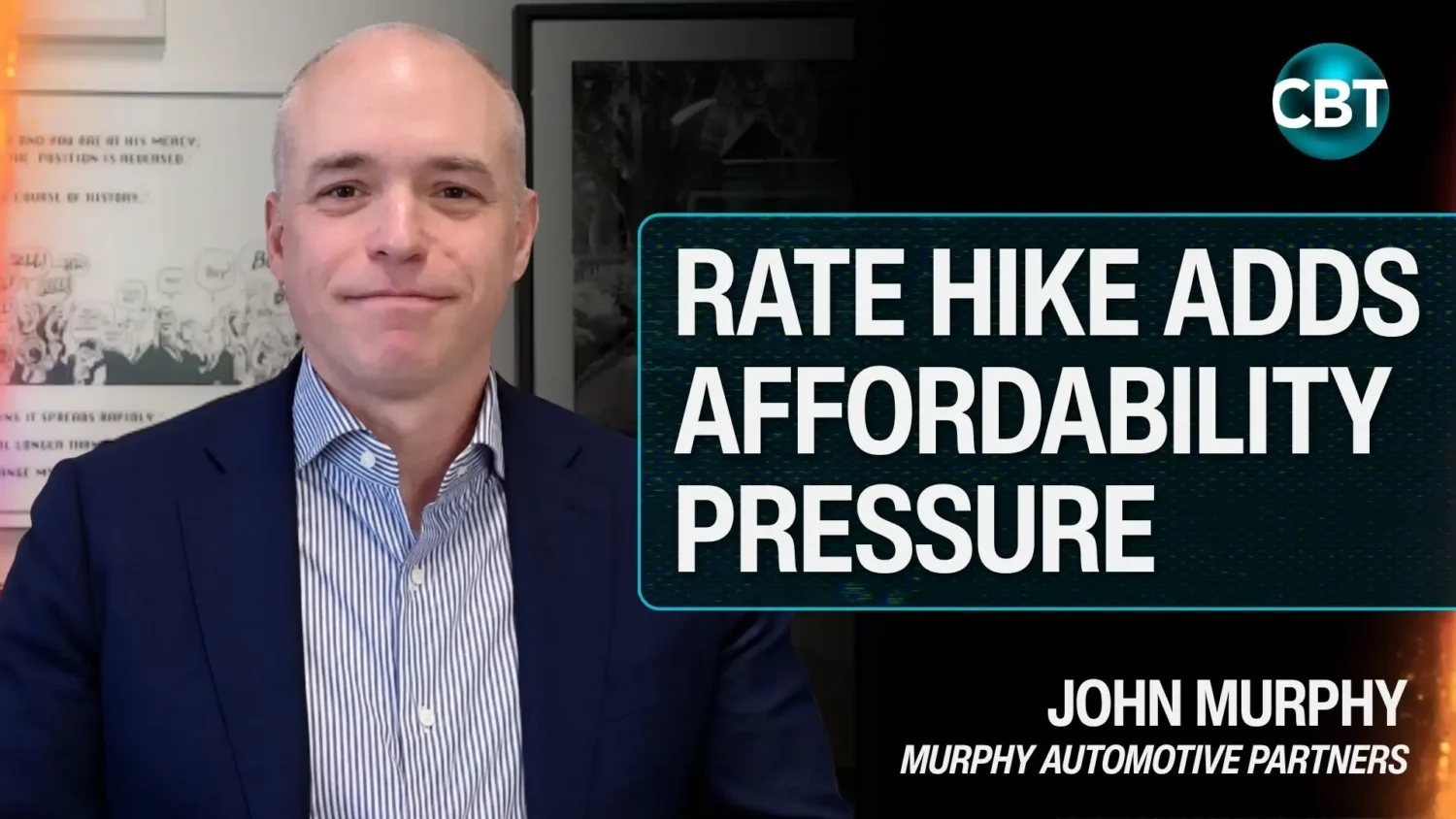
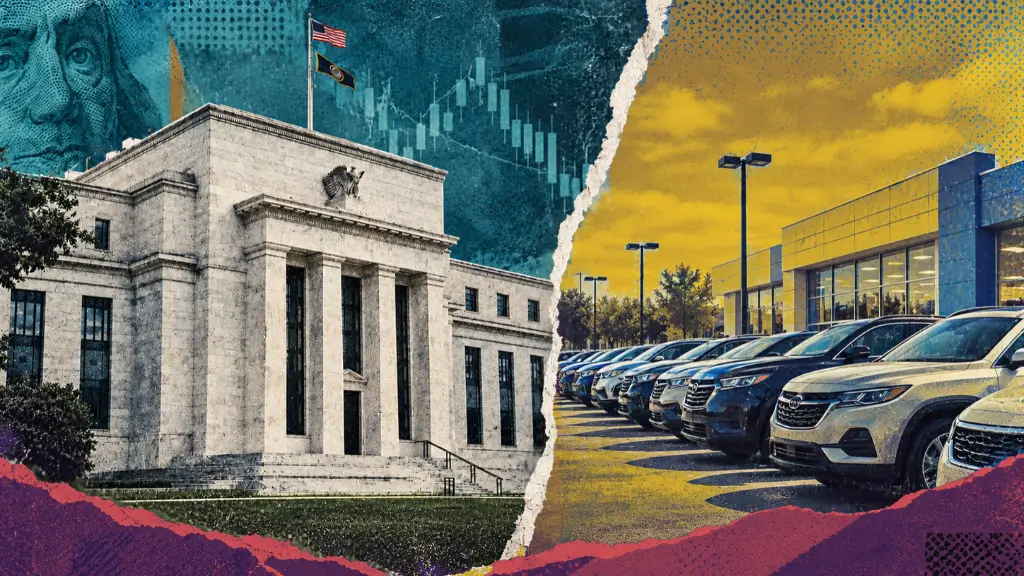
The Federal Reserve voted Wednesday to hold its benchmark rate at 3.75% to 4.00%, leaving borrowing costs unchanged for dealers and car buyers after September’s hike. It’s important to note that two officials dissented, favoring another increase.
According to CNBC, futures markets suggest another increase in December, which keeps financing costs in focus as dealers enter the year-end sales push.
Two officials dissent in favor of interest rate hike
As mentioned earlier, Governor Lisa Cook and Cleveland Fed President Beth Hammack both dissented and called for a quarter-point hike. It was Cook’s first dissent since she joined the Fed in 2022.
According to CNBC, markets widely expected the Fed to hold rates steady, citing elevated inflation and strong economic activity, up from “solid” in September.
Potential impacts for dealers
While the Fed doesn’t set auto loan rates directly, its moves tend to push financing costs the same way over time.
Dealers should expect financing costs to remain high through year-end. A December increase would add to record-high payments, and buyers often focus on the monthly payment. Incentives, subsidized rates and lower-priced inventory can help close deals.
Meanwhile, used-vehicle buyers face rates above 10%, according to Edmunds. Pre-owned vehicle dealers may want to review inventory more closely and consider stocking some lower-priced units as rising rates increase monthly payments. Yet, F&I teams should review lender rate sheets and floorplan costs now, ahead of a possible December increase.
Inflation, growth and what comes next
Inflation has been above the Fed’s 2% target for more than five years, and price increases have picked up since September, according to CNBC. While the unemployment rate remains low, the Atlanta Fed’s GDPNow tracker points to 3.4% annualized growth in the third quarter, which would be the strongest in a year.
Futures market pricing also points to another increase at the December meeting, and possibly one or two more in 2027. Additionally, Fed Chairman Kevin Warsh announced a change to the 2027 meeting schedule at his news conference. Although the Fed will still hold eight meetings, one will focus only on broad monetary policy strategy, with no vote on the federal funds rate and no policy statement. Warsh said he expects two strategy meetings and six policy meetings in 2028.
The decision came less than a week before the Nov. 3 midterm elections, which will determine control of Congress.