TSLA411.1504.72%
GM84.0702.57%
F14.790-0.05%
RIVN16.680-0.08%
CYD51.8301.8%
HMC26.9700.53%
TM180.2205.27%
CVNA68.9004.8%
PAG180.070-0.89%
LAD308.520-4.86%
AN193.3901.86%
GPI325.7400.41%
ABG199.5500.02%
SAH83.710-0.9%
TSLA411.1504.72%
GM84.0702.57%
F14.790-0.05%
RIVN16.680-0.08%
CYD51.8301.8%
HMC26.9700.53%
TM180.2205.27%
CVNA68.9004.8%
PAG180.070-0.89%
LAD308.520-4.86%
AN193.3901.86%
GPI325.7400.41%
ABG199.5500.02%
SAH83.710-0.9%
TSLA411.1504.72%
GM84.0702.57%
F14.790-0.05%
RIVN16.680-0.08%
CYD51.8301.8%
HMC26.9700.53%
TM180.2205.27%
CVNA68.9004.8%
PAG180.070-0.89%
LAD308.520-4.86%
AN193.3901.86%
GPI325.7400.41%
ABG199.5500.02%
SAH83.710-0.9%

Chevy issues third recall for Bolt EV and EUV diagnostic software

The initial recall in 2020 aimed to install monitoring software for early detection of defective battery cells
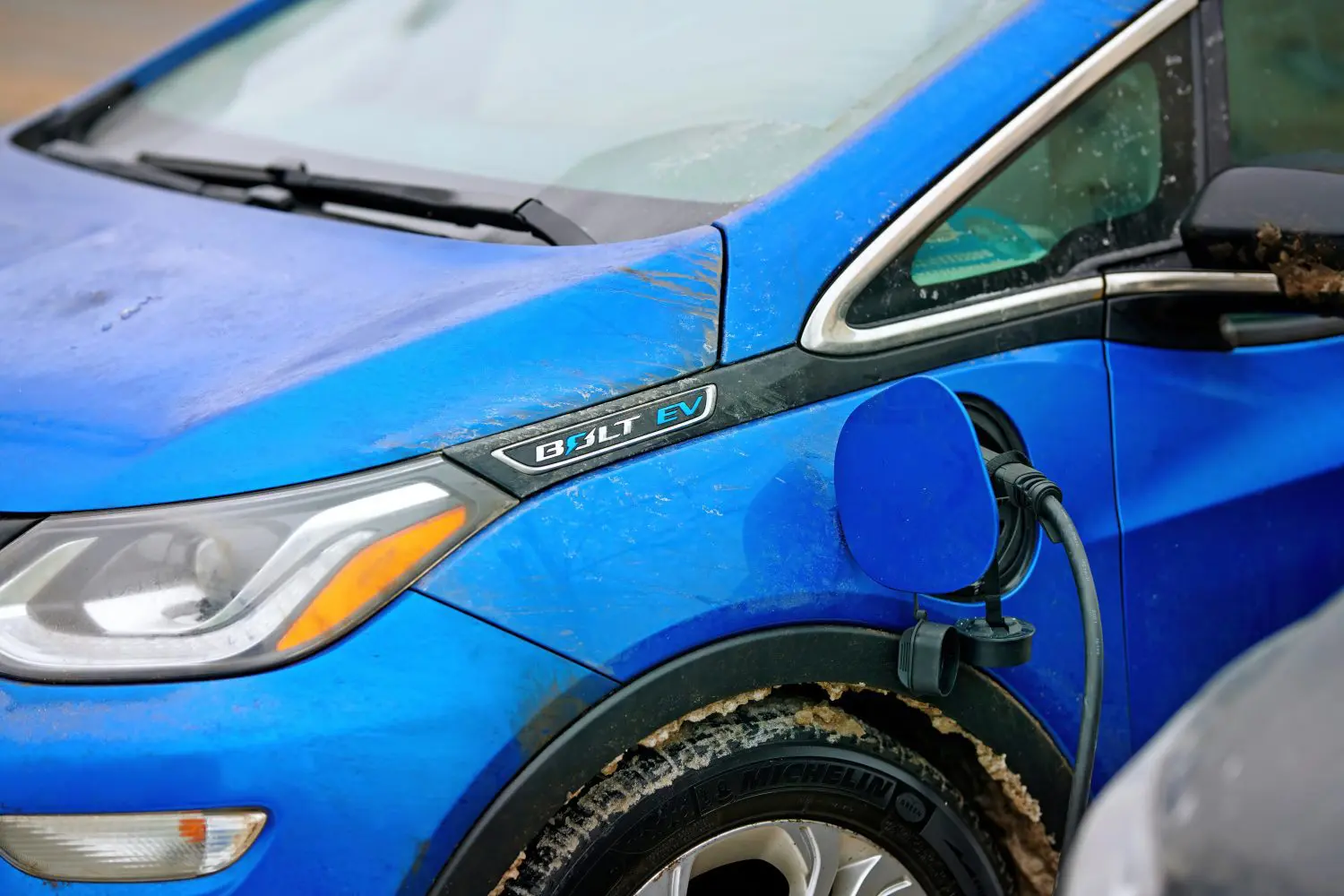
General Motors (GM) is issuing another recall for certain Chevrolet Bolt EV and EUV models due to issues with diagnostic software.

General Motors (GM) is issuing another recall for certain Chevrolet Bolt EV and EUV models due to issues with diagnostic software. This recall affects specific 2020-2022 model-year vehicles where the software was previously installed incorrectly. Dealers are instructed to reprogram the Hybrid Powertrain Control Module 2, Battery Energy Control Module, and the Body Control Module, with the correction expected to take approximately one hour.

This marks the third time some owners will receive a similar software update. The initial recall in 2020 aimed to install monitoring software for early detection of defective battery cells, but this proved ineffective after two vehicles caught fire post-update. Initially, only Bolt models from 2016 to 2019 with LG Chem battery packs made in South Korea were recalled. However, after a 2020 Bolt caught fire in California, GM expanded the recall in August 2021 to include all 140,000 units delivered.

Owners of 2020 and newer models were given battery monitoring software and advised to park outside and avoid deep discharges. GM issued a stop sale on all vehicles until a final remedy, a second round of diagnostic software, was developed later in 2021. This software temporarily limited the charge to 80% and monitored the battery for abnormalities, allowing standard charge settings after several thousand miles of safe driving. Since implementing this solution, no new fires have been reported.

With fewer than two dozen fires reported among the roughly 240,000 Bolt EVs and EUVs on the road, most incidents involved 2019 models, with a few from 2017, 2018, and 2020. Impacted owners will receive notification from GM in the coming weeks and can check if their vehicle is included in the recall by visiting my.gm.com/recalls.


Read More
More from Articles
Ford seeks federal approval to keep selling China-built Lincoln Nautilus in U.S.

Ford seeks federal approval to keep selling China-built Lincoln Nautilus in U.S.

- June 16, 2026
On the Dash: Ford has asked the U.S. Commerce Department for authorization to continue importing and selling the China-built Lincoln Nautilus in the U.S. New rules banning Chinese software in...
Global EV registrations rise as North American market slides

Global EV registrations rise as North American market slides

- June 16, 2026
On the Dash: Global EV registrations rose 3% in May, marking three straight months of year-over-year growth. Europe surged 23% on subsidies and high fuel prices; China fell 9% on...
GM explores defense manufacturing partnership with Lockheed Martin

GM explores defense manufacturing partnership with Lockheed Martin

- June 16, 2026
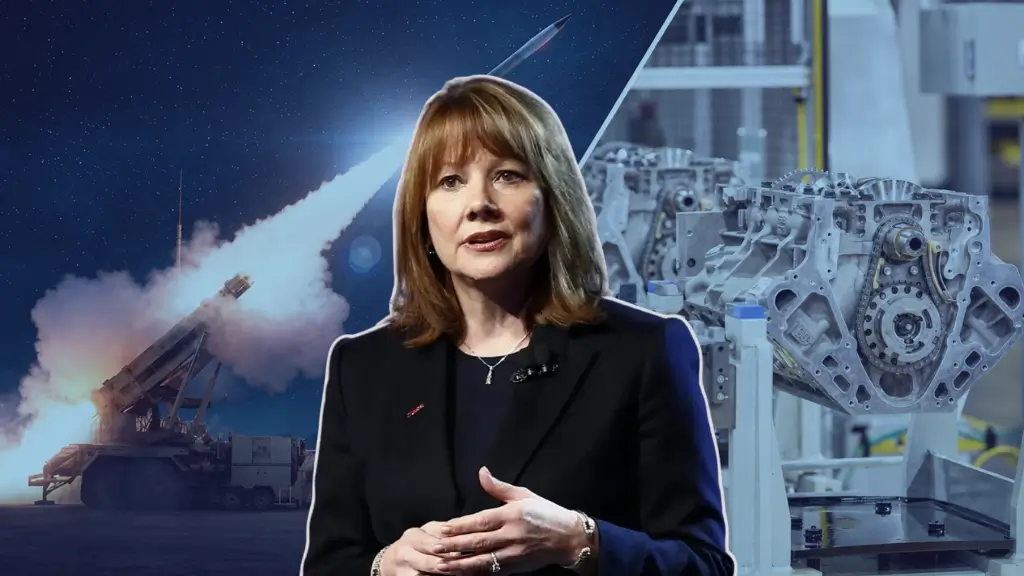
On the Dash GM and Lockheed Martin are discussing an arrangement for the automaker to produce commonly used components for missile and munitions programs. No agreement has been finalized, and...
Middle East conflict triggers oil and paint shortages at dealerships and repair shops

Middle East conflict triggers oil and paint shortages at dealerships and repair shops

- June 16, 2026
On the Dash Nissan and Toyota have both issued dealer bulletins rationing 0W-20 and 5W-30 synthetic oil as Group III base oil supply runs roughly 44% below normal capacity. An...