On the Dash:
- Carvana has acquired seven Stellantis dealerships and is quickly establishing a foothold in new-vehicle retail.
- The company’s digital-first model could increase competitive pressure on traditional dealerships and accelerate online retail adoption.
- Industry leaders are closely watching how the used car retailer approaches service, parts and customer retention within the franchise system.
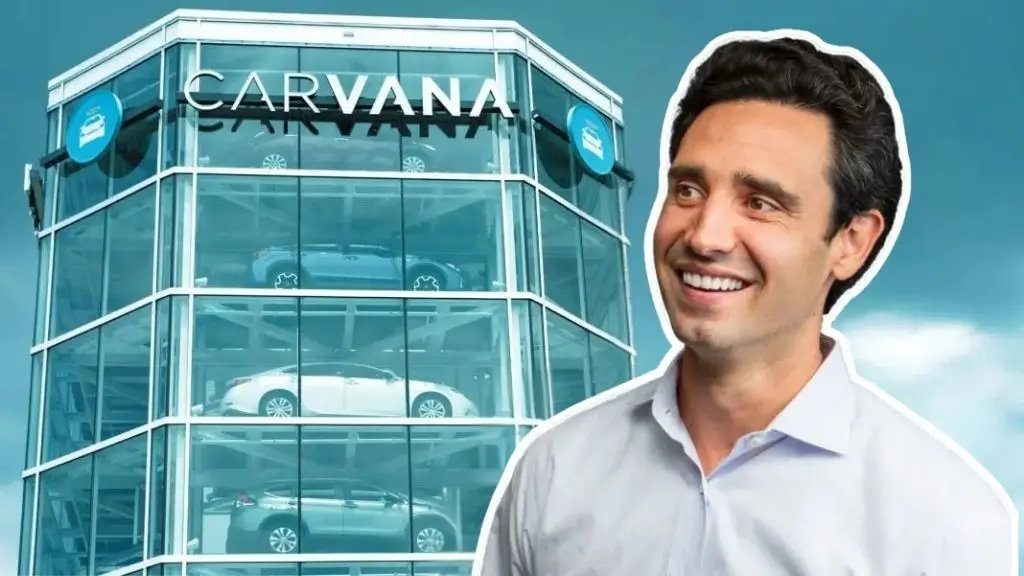
Carvana is moving into new-vehicle retail after building itself into one of the nation’s largest used-car sellers.
The company has acquired seven Stellantis franchises selling Chrysler, Dodge, Jeep, and Ram vehicles since 2025. Industry analysts call the expansion one of the most disruptive developments in U.S. auto retail in decades.
A digital-first approach
Carvana’s dealership in Casa Grande, Arizona, quickly became Stellantis’ highest-volume store in the U.S., selling more than 700 new vehicles in a single month, up from the 30 to 50 vehicles the store reportedly sold before Carvana took over. The jump has drawn attention from dealers and automakers alike as they weigh the scalability of Carvana’s model.
Entering the franchise market opens new revenue streams, as new-vehicle sales give the company access to service work and dealer-only wholesale auctions, and strengthen Carvana’s ability to acquire used inventory through trade-ins and customer relationships. Industry observers say the move allows the company to participate at more stages of the vehicle ownership lifecycle.
Notably, Carvana operates differently from traditional dealership groups, running a nationwide digital platform backed by logistics, reconditioning centers, and delivery operations. Analysts compare the infrastructure to Amazon’s retail network, noting that it enables Carvana to market and distribute vehicles at scale.
The company now operates more than 100 locations, including vehicle processing centers and its well-known car vending machines.
Regulatory hurdles
The franchise model brings new challenges, though. New-vehicle sales are subject to stricter regulatory requirements than used-car transactions, and those rules vary by state. Franchise agreements also require Carvana to meet automaker standards for facilities, inventory, customer experience, and service operations. But how the company will handle parts, service, and long-term customer support, areas that traditionally drive significant profit for franchised dealers, remains unclear.
While some industry leaders see Carvana’s model as a catalyst for modernization, others are waiting to see whether the company can successfully integrate into the franchise system. As Carvana expands, traditional dealers may face growing pressure to sharpen their own digital retail capabilities and customer experience strategies.