On the Dash:
- Ford has started producing lithium-iron phosphate (LFP) battery cells in Michigan, supporting a lower-cost EV platform set to launch in 2027.
- The company expects the technology to reduce battery costs and improve competitiveness against lower-priced EVs.
- Ford plans to employ 800 workers by year-end and eventually expand the facility to 1,700 employees.
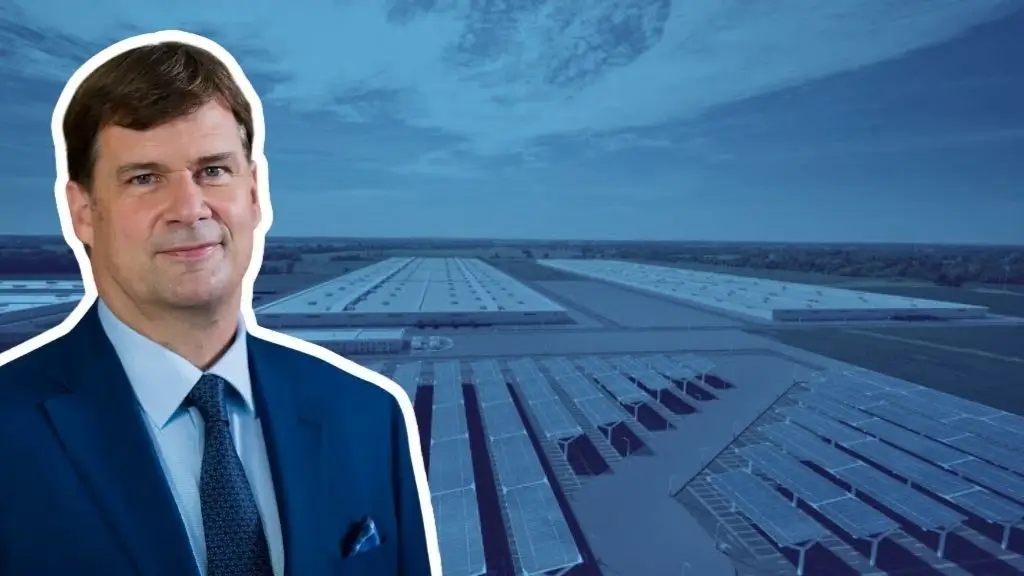
Ford has reached a major milestone in its EV strategy, launching production of its first lithium-iron phosphate (LFP) battery cells at BlueOval Battery Park Michigan in Marshall.
The milestone moves Ford closer to becoming the first automaker to manufacture LFP batteries in the United States for mainstream consumer EVs. Ford expects the batteries to support a more resilient domestic supply chain, reduce EV costs, and improve competitiveness against lower-priced Chinese products.
BlueOval Battery Park Michigan currently employs more than 500 workers and recently started producing “D-sample” cells made with production-intent materials for testing and validation. Earlier this spring, the facility produced “C-sample” cells to train and qualify manufacturing equipment. Ford expects the plant to begin producing launch-ready battery cells before the end of 2026.
The batteries will power Ford’s new Universal Electric Vehicle platform, which the company plans to debut with a midsize electric pickup in 2027.
To accelerate development, Ford licensed battery technology from Contemporary Amperex Technology Co. Ltd. (CATL), the world’s largest EV battery manufacturer. Unlike a traditional joint venture, Ford maintains full ownership and operational control of the Michigan facility, while CATL employees assist with training and manufacturing expertise.
Ford executives say the LFP chemistry eliminates the need for nickel and cobalt, lowering production costs and reducing supply chain complexity. Meanwhile, the automaker believes the technology will play a key role in delivering more affordable EVs.
Notably, Ford plans to employ 800 workers at the facility by the end of the year and ultimately expand the workforce to 1,700 employees. The automaker has already received more than 11,500 applications for positions at the plant.