TSLA400.62011.72%
GM81.3203.27%
F12.8700.43%
RIVN17.2300.34%
CYD43.2600.9381%
HMC25.0000.64%
TM217.2004.34%
CVNA387.50025.26%
PAG161.3205.3%
LAD283.0408.17%
AN207.9909.7%
GPI349.94014.46%
ABG211.4407.35%
SAH70.7003.33%
TSLA400.62011.72%
GM81.3203.27%
F12.8700.43%
RIVN17.2300.34%
CYD43.2600.9381%
HMC25.0000.64%
TM217.2004.34%
CVNA387.50025.26%
PAG161.3205.3%
LAD283.0408.17%
AN207.9909.7%
GPI349.94014.46%
ABG211.4407.35%
SAH70.7003.33%
TSLA400.62011.72%
GM81.3203.27%
F12.8700.43%
RIVN17.2300.34%
CYD43.2600.9381%
HMC25.0000.64%
TM217.2004.34%
CVNA387.50025.26%
PAG161.3205.3%
LAD283.0408.17%
AN207.9909.7%
GPI349.94014.46%
ABG211.4407.35%
SAH70.7003.33%

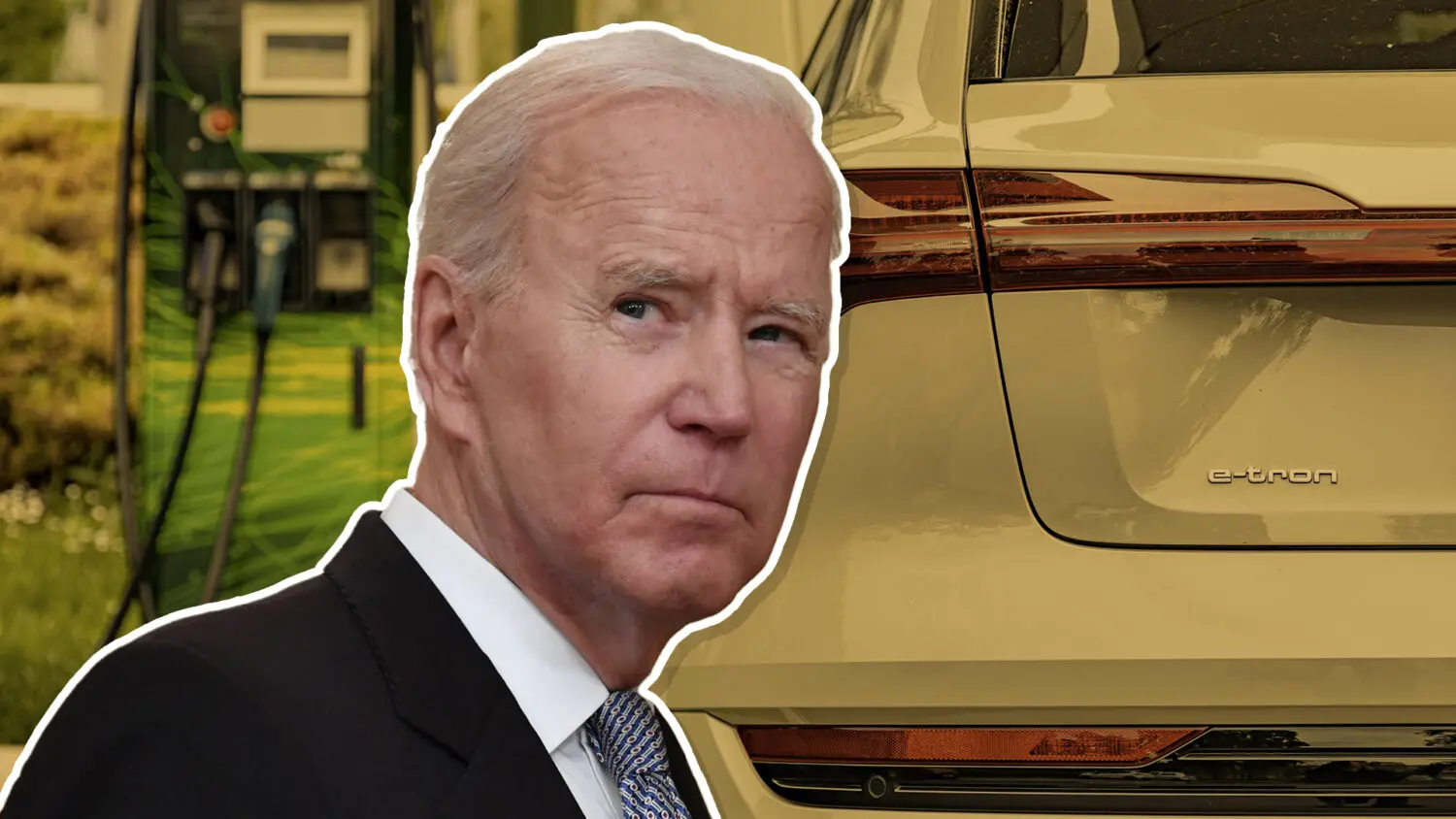
Biden opens applications for first phase of EV charging infrastructure funding

The first round of funding makes up to $700 million in funding from fiscal years 2022 and 2023 available for the strategically placed public EV chargers and infrastructure.
infrastructure funding

On March 14, the White House announced the opening of applications for a $2.5 billion funding program to develop the nation’s urban and rural areas’ infrastructure for EV charging and alternative fueling.

The Charging and Fueling Infrastructure (CFI) program, which was established by the Bipartisan Infrastructure Acts enacted in 2021, offers $2.5 billion over five years to qualifying applicants, which include states, cities, local agencies, and tribes.

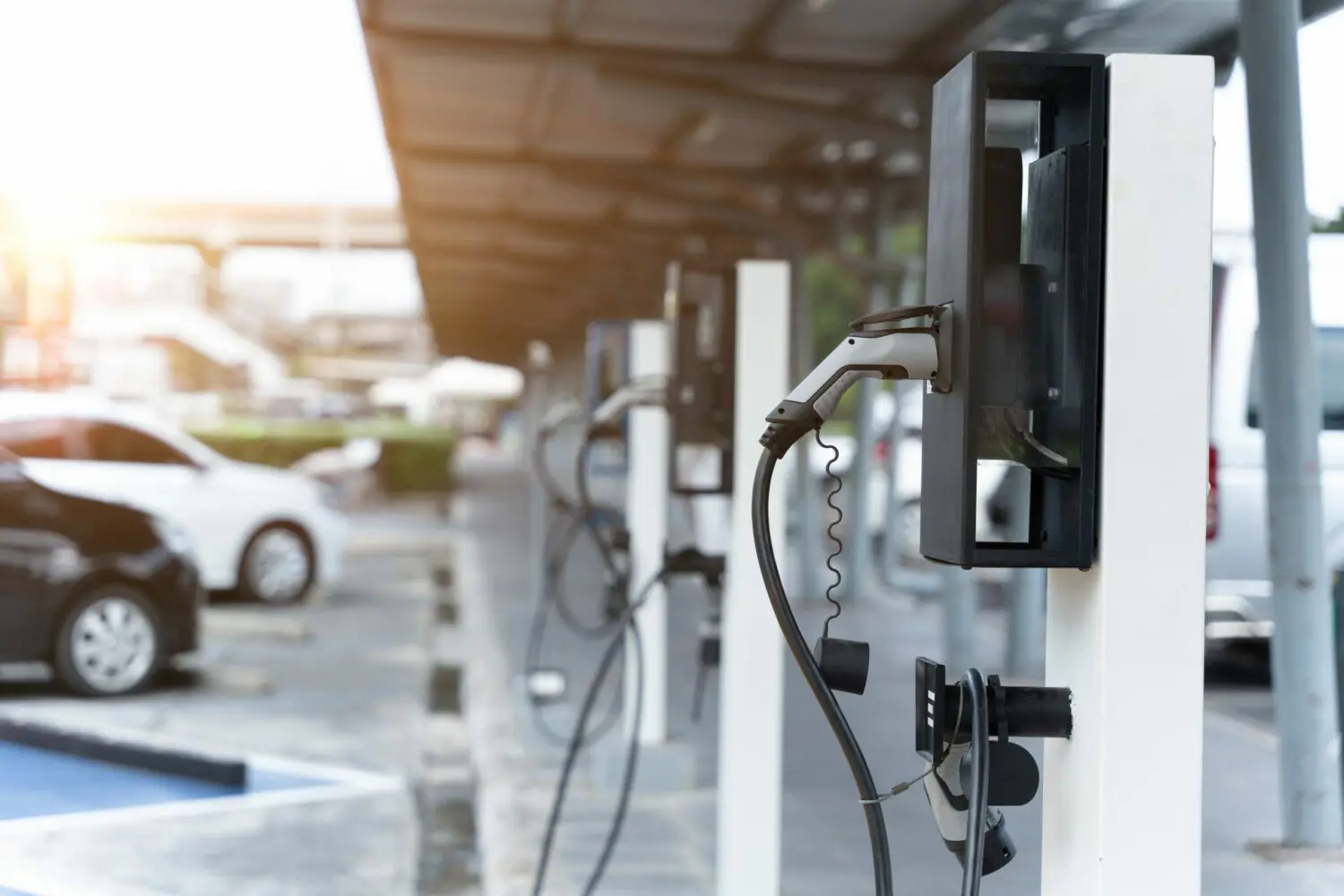
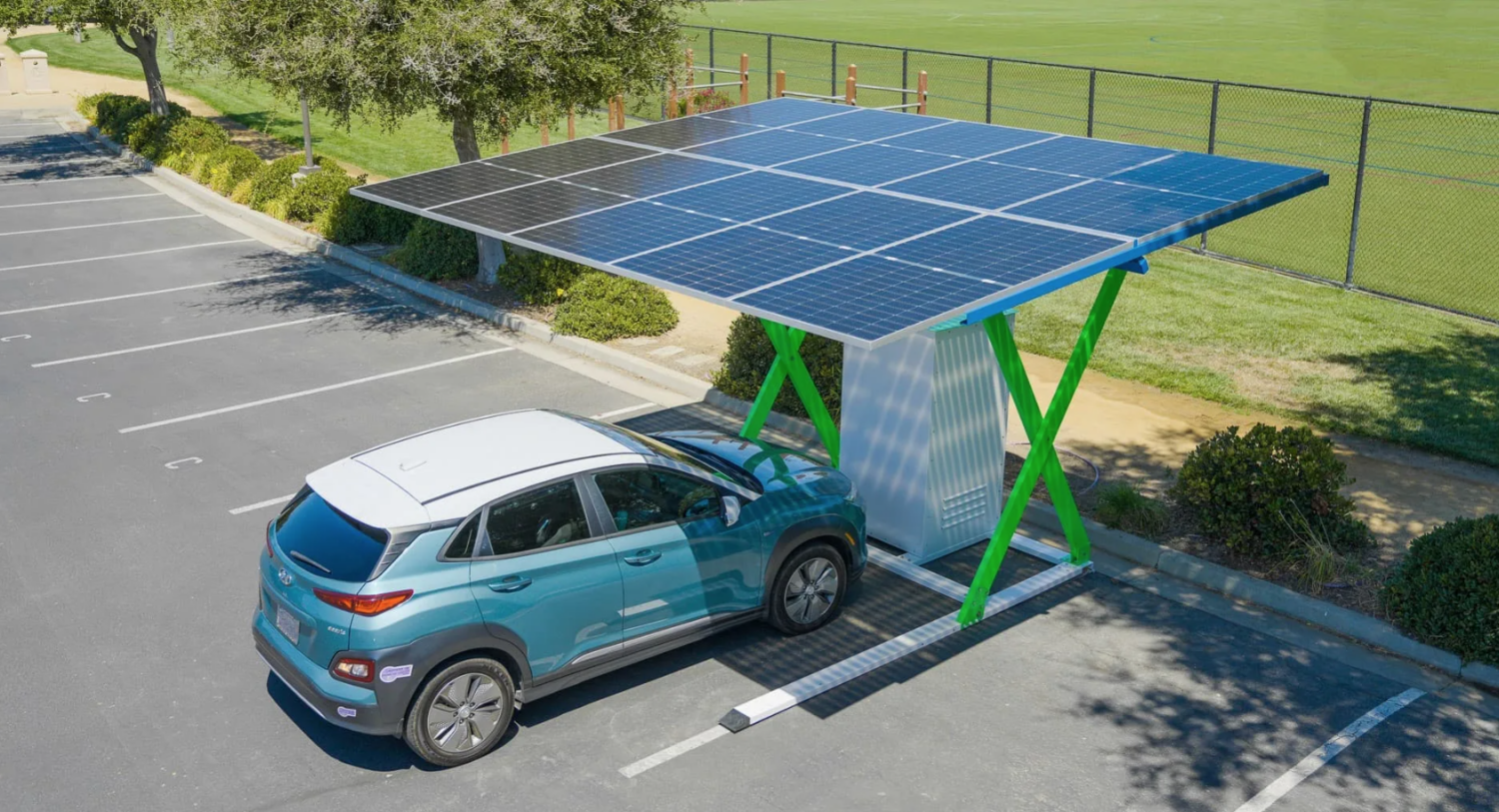
The first round of funding makes up to $700 million in funding from fiscal years 2022 and 2023 available for the strategically placed public EV chargers and infrastructure for refueling with hydrogen, propane, or natural gas in accessible locations in urban and rural communities, as well as along designated Alternative Fuel Corridors (AFCs).

The infrastructure for alternative fuelling and EV charging will be installed along certain motorways, interstates, and major roads as well as in downtown districts and neighborhoods, especially in underprivileged and disadvantaged communities.

A $1.25 billion community program for EV charging and alternative fueling infrastructure built on any public road or other publicly accessible locations, such as schools or parks, and a $1.25 billion corridor program for projects along designated alternative fuel corridors are the two categories into which the grant funding is split. Both categories have a May 30 application deadline.

The National Electric Vehicle Infrastructure (NEVI) Formula Program will provide states with an additional $5 billion over the following five years. The CFI Discretionary Grant Program is created to fill in EV charging gaps in order to realize Vice President Biden’s dream of an EV-friendly cross-country road trip.

The funding opportunity, according to the Biden administration, is a “critical step” toward the objective of creating a national network of 500,000 public EV charging stations. Data from the Energy Department show that as of March 14, there were 51,537 station sites with almost 133,000 public charging outlets in the US.
Further Reading
More from Articles
STL launches ‘Neuralis’ in the US: A high-performance Data Center portfolio engineered for the AI era

STL launches ‘Neuralis’ in the US: A high-performance Data Center portfolio engineered for the AI era

- April 17, 2026
Washington, United States, 17/April/2026: STL Optical Connectivity NA, LLC,  (STLOC),  a U.S. subsidiary of STL [NSE: STLTECH], a leading connectivity solutions provider for AI-ready digital infrastructure, today announced the U.S. launch of Neuralis, its flagship...
GM leans on global production to supply U.S. market amid cost pressures

GM leans on global production to supply U.S. market amid cost pressures

- April 17, 2026
On the Dash: Imported inventory may create variability in delivery timing and supply consistency. Trade policy shifts could impact the pricing and availability of certain models. Global production strategies may...
Volkswagen ends U.S. EV output, triggering $600 million financial hit 

Volkswagen ends U.S. EV output, triggering $600 million financial hit 

- April 17, 2026
On the Dash: Slower EV demand may impact inventory planning and turn rates for electric models. Production pullbacks could tighten EV supply or shift sourcing toward imports. Ongoing cost pressures...
March sales surge tightens inventory, affordability gaps persist

March sales surge tightens inventory, affordability gaps persist

- April 17, 2026
On the Dash: Faster March sales improved inventory flow, but demand remains uneven heading into Q2. Limited sub-$40K inventory continues to constrain volume opportunities. Rising incentives indicate growing pressure to...
CBT News
Privacy Overview

This website uses cookies so that we can provide you with the best user experience possible. Cookie information is stored in your browser and performs functions such as recognising you when you return to our website and helping our team to understand which sections of the website you find most interesting and useful.