Old-school habits have carried plenty of dealers for decades. Leaning on new-car inventory, paid advertising, outdated sales floor standards, and business as usual all made sense when the model held up. But consolidation is accelerating, competitors are better capitalized, and those same habits are starting to work against the dealers who won’t change them.
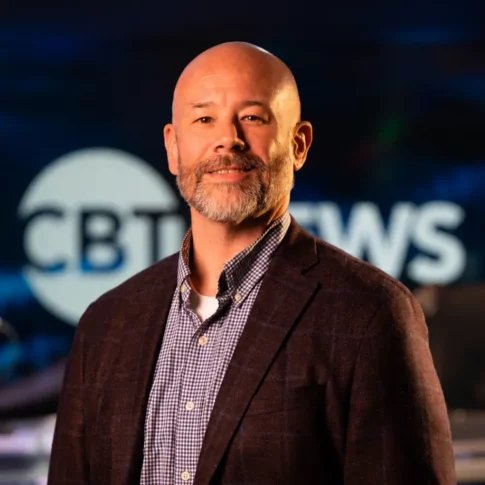
On today’s episode of Training Camp with Adam Marburger, Glenn Lundy, CEO of 800% Automotive Elite Club, breaks down why old-school dealer principles are running out of road, and what leaders need to do differently to keep growing.
Why old-school principles won’t survive
Decades-old dealer principles are the industry’s biggest blind spot right now, according to Lundy. Small, family-owned dealerships that have sold 60 to 80 cars a month for years won’t sustain that pace moving forward, as consolidation accelerates and competitors show up with far more capital behind them. Dealers doing well today are especially exposed, since strong results tend to discourage the change that’s coming.
"There's a lot of dealers who think we're just going to do what we've always done because it's worked for the last 40 years. It's not going to work moving forward."
A 90-day plan to double production starts with shifting away from a new-car mindset, since manufacturers still control vehicle allocation. Marketing spend needs to move from paid advertising toward organic content, since paid ads convert less than they used to while costing more. On the floor, a production standard of one car every three days per salesperson is outdated. One car a day is achievable, but only with the right marketing and inventory support behind it.
Rethinking marketing: Organic vs. paid
Paid organic media means investing in content people actually want to watch, then distributing it for free instead of paying to push it in front of an audience. Mr. Beast is the clearest example, spending heavily to produce content and releasing it organically rather than running it as a paid ad. A dealer spending $100,000 a month on advertising could redirect $20,000 of that toward attention-grabbing content and outperform a typical low-payment ad.
Impressions remain a common metric dealerships track, but they carry little value if sales volume isn’t moving. Marketing agencies often take credit for conversions that actually came from organic engagement. Units sold, not reach or exposure figures, should be the number dealers focus on.
Culture is read in minutes and built daily
A dealership’s culture becomes obvious within the first few minutes of a walkthrough. Stores where employees greet the GM or owner during a tour signal a culture ready to shift quickly. Silent walkthroughs where no one engages point to a deeper problem that won’t resolve without a change in leadership.
"Culture is simply a byproduct of the actions that are being taken in that dealership every single day."
Culture builds through daily decisions rather than any single meeting. Lundy compares it to his own household, where early mornings, consistent routines, and a nightly gratitude practice create the culture over time. Dealers who recognize their own role in a struggling culture should expect real turnover once new standards take hold, with results typically showing up around day 60 to day 90.
Separating growth from stagnation
Coachability determines whether outside help can actually move a dealership forward. Lundy pointed to an example of one dealer principal who wanted help, but the general manager resisted training and a finance manager threatened to quit over it. Both reactions, he said, pointed to a store that isn’t ready to grow. An uncoachable GM signals a problem that won’t fix itself, and a finance manager threatening to quit has likely already been considering leaving. Owners in that position need to decide how far they’re willing to go, since half-measures rarely produce results.
Lundy pointed to Brad Wise’s dealership, Ferman Chervrolet near Tampa, shows what decisive leadership looks like in practice. Wise had spent a year building a fully staffed cradle-to-grave BDC program, only to find leads going unanswered because his best performers were constantly out on test drives, Lundy said. Wise shut the program down within a day of identifying the problem and sold 150 more cars a month within six months.
That same willingness to act applies to protecting the business itself. Trusting too much without legal safeguards in place has been Lundy’s most expensive leadership lesson, leading to a three-year legal dispute that cost far more than proper protection would have upfront. The fix isn’t becoming less generous, it’s pairing that generosity with clear legal protection from the start.
“You have to be willing to throw your ego out the window and say, yeah, we invested in this, but it was the wrong investment, so let’s tear it down and let’s do it the right way,” Lundy said.