The pandemic emptied new-car lots and exposed how much dealers relied on auctions and factory allocation for inventory. One single-point Ford dealer answered by building his own supply pipeline.
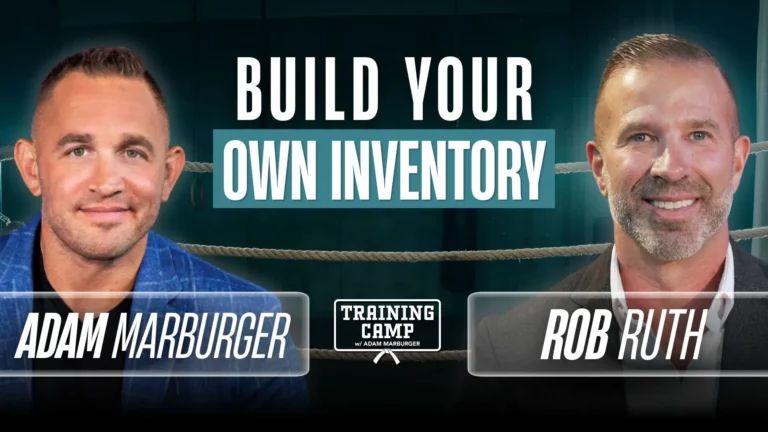
On this episode of Training Camp, Rob Ruth, President and Owner of Bob Ruth Ford, explains how an in-house buying center changed his store and increased monthly sales from about 200 units to the mid-400s in less than five years.
A buying center built overnight
According to Ruth, used cars have always driven growth at Bob Ruth Ford, a single-point Ford dealership in a competitive small town. Growing the used-car department meant acquiring more vehicles to sell. The store had always sourced its inventory from auctions. Ruth learned that process starting at 18, buying cars, bringing them back, reconditioning them and selling them.
"Our way to grow that company was always used cars. So then the question becomes, well, how do you grow your used car department? Well, you have to acquire more to sell more,"
When COVID-19 hit, new-car inventory disappeared and the used-car market surged. Wholesale, Ruth said, moved faster than retail, and the store couldn’t bring in supply fast enough. It launched a buying center overnight. While five years ago, the store sold about 200 units a month, today it sells in the mid-400s.
From GM to coach
Letting go of daily operations was hard for Ruth, who grew into the store’s general manager role. He eventually delegated those duties and moved about 1,000 miles away to create new opportunities for his team. Today, his role centers on coaching and strategic planning with the store’s top executives. The focus is on how to keep growing and make a bigger impact.
Ruth leans on servant leadership, which puts service to employees and customers ahead of growth. The more positive impact the store makes on people, the better and bigger it gets, he said. The store now runs better without him in the day-to-day, Ruth said. The key is putting systems in place and then putting the right people in those systems.
Staying uncomfortable and finding mentors
Many dealers skip peer groups, coaching and mentorship because the process makes them uncomfortable. Some also believe they know more than they do, Ruth said.
Leaders eventually realize they aren’t as smart as they thought and that others are doing far more. Recognizing that leaves room for leaders and the people they lead to grow, according to Ruth. He said the moment leaders get too confident is when their businesses start going the other way.
Every business owner needs a mentor, whether already successful or still chasing success, he said. The goal is to connect with people who are doing more than you are.
Building for what comes next
A new facility is next on Ruth’s list, a project in the works for years. Ruth’s father bought the store in 1983. The store was under construction when he died, and those plans fell through. A family buyout followed.
Now that the store has grown, Ruth said, employees and customers deserve a new building. Adding service bays is the priority because the shop keeps hitting capacity. More points could follow, and Ruth said the store will go wherever growth takes it.
Ruth hopes his legacy is a positive impact on his family, employees and community. He expects his passion for used cars to be part of it. Dealers have many opportunities to improve the lives of employees, customers and their families.