One of the oldest rules in the car business is “the customer is always right.” When customers are consistently unhappy, the issue is rarely the customer but something off inside the dealership. To keep customers happy, research shows dealers should keep their employees happy, well-trained, and engaged.
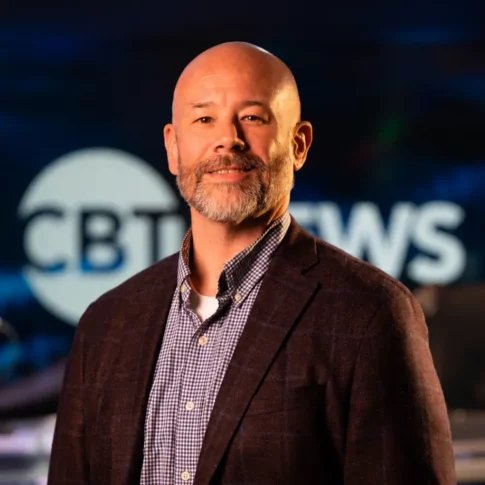
Tiffani Bova, Chief Strategy and Research Officer at Futurum Group, joins us on CBT Now to discuss the link between employee and customer experience. She’s also the author of two bestselling business books, GrowthIQ and The Experience Mindset. Bova says the employee experience drives the customer experience, not the other way around.
The customer connection
Bova’s research into the customer experience began while she was working at Salesforce. While giving a speech on stage, Bova told the audience that she didn’t think it was a coincidence that Salesforce ranked among the best places to work globally, was one of the most innovative companies in the world, and was the fastest-growing enterprise software company at the time. That observation caught her attention, and she decided to see if she could prove that connection.
"Lots of leaders think focusing exclusively on customer experience is going to solve all the other problems ... what we found is that's actually not correct."
Bova launched a year-long research study, and the findings supported her theory. Employee experience and business growth aren’t just related. There’s a causal relationship between them, but the direction of that relationship matters. Bova found that dealership leaders who focus exclusively on customer experience are starting at the wrong end of the issue. The employee experience has to come first, she says, and the customer experience follows from it.
Be your own Undercover Boss
Most dealer principals think they know what is happening on the showroom floor, but Bova says most do not. The bigger the dealership group, she says, the more layers exist between leadership and the frontline.
“The larger you get, the more disconnected you are from those frontline employees. And therein lies the danger of actually not knowing the reality,” Bova said.
Bova uses the television show Undercover Boss as an example. The show follows executives and CEOs who go undercover in their own organizations to see what it’s like on the frontline. For most of them, it’s an eye-opening experience.
Management theorist Tom Peters called the remedy “management by wandering around.” Bova says most leaders don’t do that enough. Her advice is to be your own Undercover Boss. Schedule time to get your hands dirty and see what the customer experience is really like at your own dealership. Go along on a test drive, sit in on the service desk, or make a cold call. Getting in touch with the day-to-day realities of sales and service staff gives dealership leaders firsthand insight into potential problems, training gaps, or poorly performing systems.
Experience has an expiration date
Some dealers think they already know the frontline experience because they once worked it. But Bova says that assumption has an expiration date.
“If you are working those roles pre-Tesla, and pre-smartphone doesn’t count, because everything has changed in how buyers look for, shop for, compare,” Bova said.
Car buyers today are not just Googling. They are asking ChatGPT, Perplexity, and Claude which product is better, which dealership to visit, and which brand to trust. A dealer that is not prepared for that shift may not even make a buyer’s short list.
The cost of skipping training
Investing in employee training is not an expense to minimize. Bova says it is one of the highest-leverage growth decisions a dealership leader can make. The pushback she hears most often comes from leaders who worry about training someone only to watch that person walk out the door. Bova counters, “What if you train them and they stay?”
Skipping training does not eliminate the cost it shifts it. Undertrained sales and service employees give wrong answers, delay responses, and leave customers frustrated. When one employee operates outside established standards, it creates confusion and resentment across the entire team.
Managers matter
Overall, employee satisfaction in the United States is poor. Bova cites Gallup research showing that only about 35% of workers are happy. Most mid-level leaders assume the problem comes from the top, but the findings actually point to the middle.
Bova says that too often the first-level manager, the person closest to the frontline employee, is not properly trained. That gap, she says, drives dissatisfaction more than any other factor, and it can send good salespeople and service advisors out the door.
"People don't leave companies, they leave managers. That statement is happening in real time right now."
Often, a top salesperson is promoted to sales manager but doesn’t receive the training needed to become an effective leader. The key, Bova says, is coaching and mentorship at the first-level manager layer. That investment matters more than pipeline reviews or operational updates.
Invest in yourself
Many people assume responsibility for training lands at the top. While dealership groups bear part of the responsibility, Bova says it’s ultimately up to the individual. Great managers, she says, don’t wait for their employer to mandate training. They find ways to invest in themselves.
Bova recommends the management book Radical Candor by Kim Scott, to managers who struggle to give hard feedback. For those who feel they are not inspiring their teams, she points to Liz Wiseman’s book, Multipliers. Podcasts, TED talks, peer reading groups, and mentorship conversations all count, she said.
The dealership groups that grow, Bova says, are not the ones that spend the most on customer experience. They are the ones who invest in the people delivering it. The customer experience is only ever as strong as the employee experience behind it.