On the Dash:
- Unifor enters negotiations seeking gains, not concessions, signaling the potential for higher labor costs at Detroit Three operations in Canada.
- Tariffs and plant idlings remain major bargaining issues, as union leaders push for job security and renewed investment commitments from automakers.
- Ford’s agreement could set the pattern for GM and Stellantis, making the outcome of the initial talks closely watched across the North American auto industry.
Unifor will enter contract negotiations with Ford, General Motors and Stellantis later this month without offering concessions, setting the stage for a high-stakes bargaining round as Canada’s auto industry grapples with layoffs, idle plants and ongoing U.S. tariff uncertainty.
The union, which represents approximately 18,000 Detroit Three workers in Canada, will begin negotiations with Ford on June 22. Unifor selected Ford as its lead bargaining target and hopes to establish a pattern agreement that will serve as the framework for talks with GM and Stellantis ahead of contract expirations on Sept. 20.
“We are not going backwards,” Unifor President Lana Payne said in a June 3 message to members.
Payne said the union’s priorities include wage increases, retirement security, income protection and returning laid-off workers to active employment. She acknowledged that negotiations will take place against a backdrop of ongoing trade tensions and investment uncertainty, which continue to challenge Canada’s automotive manufacturing sector.
Unifor selected Ford because the automaker has maintained its Canadian manufacturing footprint despite industry disruption over the past 18 months. Ford continues producing engines at its Windsor and Essex facilities while completing the multibillion-dollar retooling of its Oakville Assembly Complex.
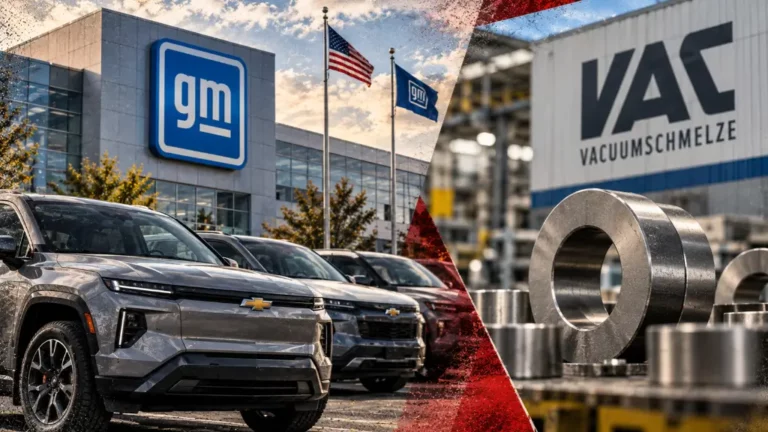
Meanwhile, Stellantis and GM have scaled back Canadian operations. Stellantis halted a retooling project at its Brampton Assembly Plant and shifted planned production to the United States, while GM eliminated a shift at Oshawa Assembly and idled its CAMI Assembly Plant following the cancellation of the BrightDrop program.
Union leaders say concessions will not address the industry’s long-term challenges. Instead, they plan to use negotiations to secure stronger contracts while advocating for future manufacturing investments.
Unifor aims to conclude bargaining with Ford by July 10 before moving on to negotiations with GM and Stellantis. The outcome could shape labor relations and investment decisions across Canada’s auto sector for years to come.