On the Dash:
- Hyundai’s second-quarter operating profit fell 21% to 2.9 trillion won ($1.98 billion), missing analyst expectations.
- The automaker maintained its full-year operating margin forecast of 6.3%-7.3%, citing higher production and new model launches in the second half.
- Rising raw material costs, supply disruptions and intensifying EV competition continue to pressure profitability.
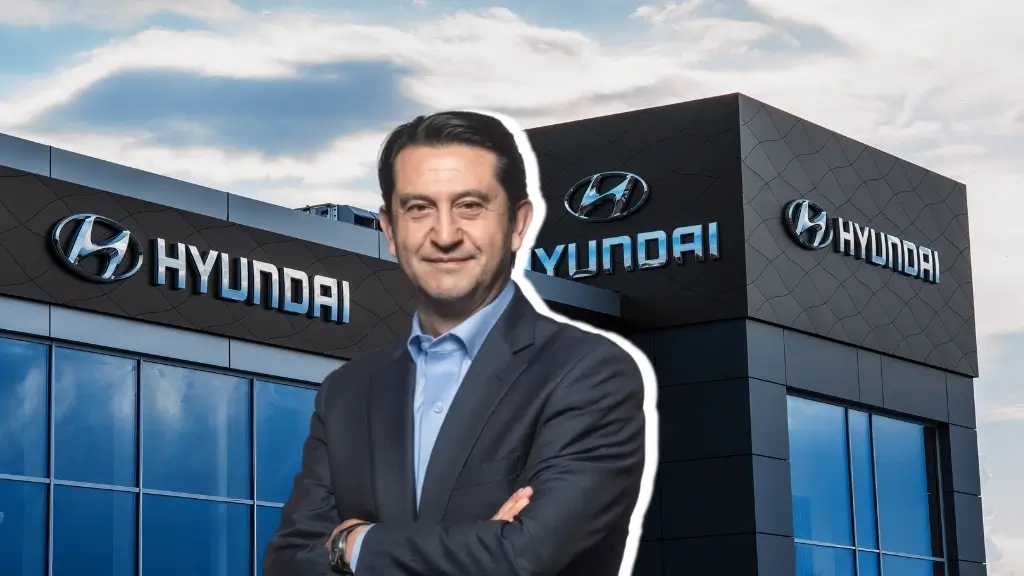
Hyundai Motor reported a 21% decline in second-quarter operating profit on Thursday, missing analyst expectations as weaker vehicle sales, production disruptions and rising raw material costs weighed on results. Despite the weaker quarter, the South Korean automaker maintained its full-year guidance, signaling confidence that stronger production and new model launches will support growth in the second half of the year.
According to the automaker, operating profit declined by 21% year over year, totaling 2.9 trillion won ($1.98 billion). Revenue, however, saw a slight increase of 2%, reaching 49.2 trillion won ($33.53 billion). These results fell short of analysts’ expectations, which forecasted an operating profit of 3.2 trillion won.
Hyundai said a fire at one of its suppliers disrupted production during the quarter, while higher prices for plastics and other raw materials increased costs by about 400 billion won ($273 million). Rising energy prices, tariffs and ongoing tensions in the Middle East also weighed on earnings.
Even with those headwinds, however, Hyundai maintained its full-year operating margin target of 6.3% to 7.3%. The automaker expects increased production and new vehicle launches to support growth during the second half of the year. Analysts said the redesigned Tucson and Avante, Hyundai’s two highest-volume global models, will play a key role in achieving that outlook.
Competitions intensifies
Competitive pressures also intensified across Hyundai’s major markets, as domestic vehicle sales fell 16% in South Korea. Notably, the company increased incentives in the U.S. following the end of federal EV subsidies and boosted spending in Europe to compete with Chinese automakers.
Meanwhile, Tesla plans to roll out an updated Full Self-Driving system in South Korea, while BYD has become the country’s fourth-largest imported automotive brand, adding pressure in one of Hyundai’s most important markets.
Nevertheless, Hyundai continues to invest in long-term growth beyond traditional vehicle manufacturing. The company recently completed its acquisition of full ownership of Boston Dynamics and plans to deploy Atlas humanoid robots at its Georgia manufacturing plant beginning in 2028. The automaker is also expanding its investments in software-defined vehicles and autonomous driving, with additional strategy updates expected during its CEO Investor Day on August 26.