On the Dash:
- Stellantis is prioritizing a U.S. sales recovery, signaling renewed focus on North American dealers and product strategy.
- The company may concentrate more investment behind Jeep and Ram, potentially affecting future inventory and marketing support.
- Expanded partnerships with China could accelerate EV development and reduce production costs across Stellantis brands.
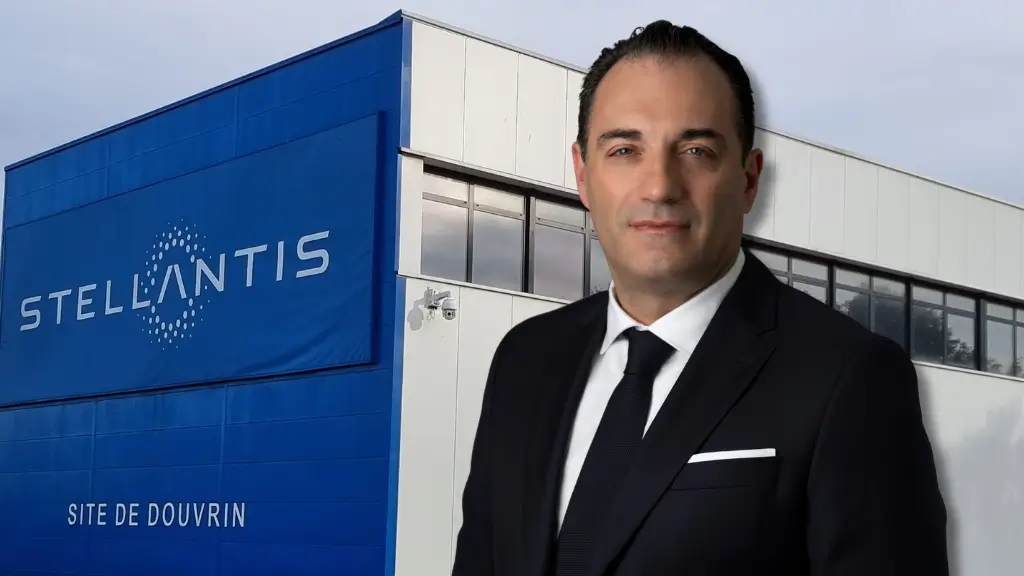
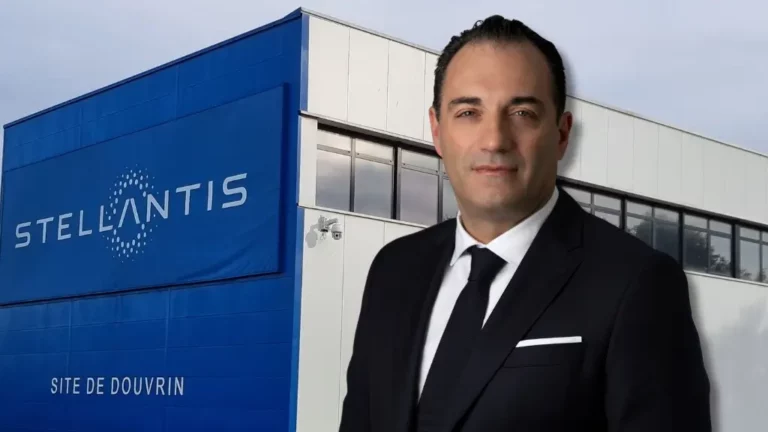
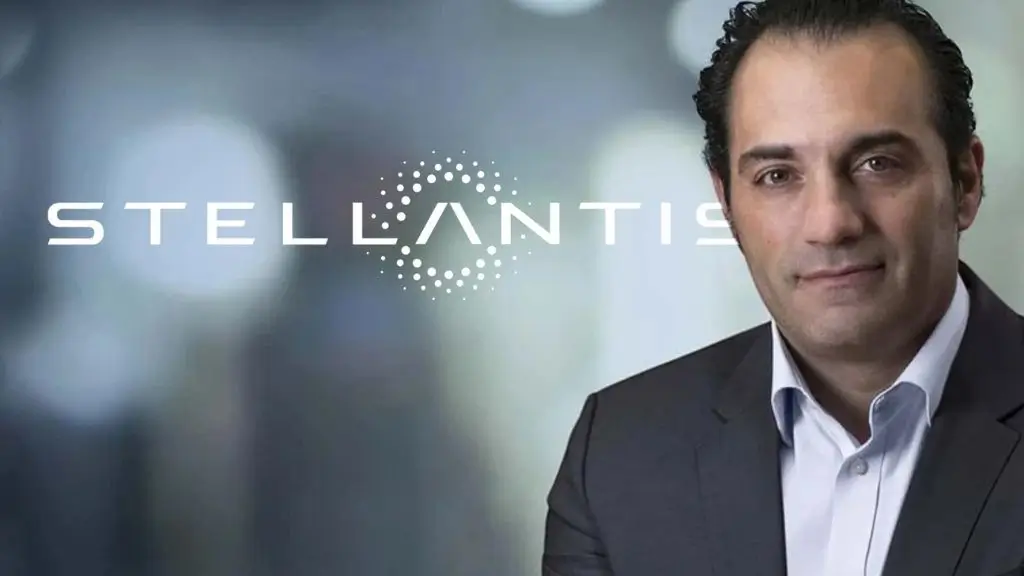
Stellantis CEO Antonio Filosa is expected to outline a long-term turnaround strategy focused on restoring U.S. sales growth, tightening the automaker’s brand portfolio, and expanding partnerships with Chinese automakers as the company works to reverse declining market performance.
Filosa will present the strategy Thursday during Stellantis’ capital markets day in Auburn Hills, Michigan, as investors look for signs the company can reverse declining performance in North America and Europe. The world’s fourth-largest automaker by sales has struggled with weakening demand, operational inefficiencies, and mounting pressure from global competitors. Stellantis shares fell to a record low in March.
Reuters reported the automaker is expected to focus investment on four core brands: Jeep, Ram, Peugeot, and Fiat. Meanwhile, the company plans to retain its remaining brands while shifting them toward more regional or niche-focused roles.
Investors and analysts view a North American recovery as critical to restoring profitability. Market watchers said Stellantis must improve its U.S. operations, reduce excess European production capacity, and respond more aggressively to growing competition from Chinese automakers in global markets.
Filosa is also expected to expand partnerships with Chinese manufacturers. Stellantis recently broadened its European joint venture with Leapmotor and signed a vehicle production agreement with Dongfeng Motor Corporation in China. Sources familiar with the plans told Reuters the presentation will include significant focus on China-related strategy and manufacturing cooperation.
The automaker believes those partnerships could help lower EV development costs while giving Stellantis access to faster vehicle development cycles, competitive EV platforms, and more efficient supply chains.
Analysts at Citigroup said Stellantis is also working to close product gaps in the U.S. market through the return of the Jeep Cherokee and future compact and midsize pickup trucks.