As dealerships face staffing shortages, AI disruptions, and changing customer expectations, many leaders are seeking the key to turning around underperforming stores. For one Chevrolet GMC dealership, the solution boiled down to core principles of culture, process, and execution.
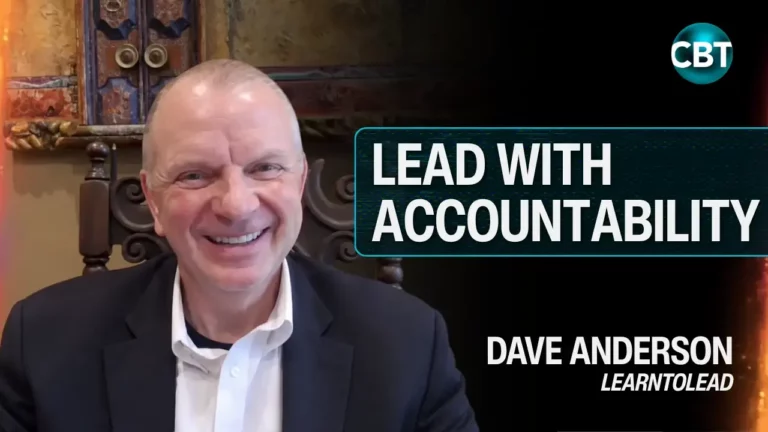
In the latest Training Camp episode, Auto Gallery Chevrolet GMC Executive Manager and Partner Mark Foster explains how disciplined leadership and consistent operations helped convert a dealership that once had only two vehicles in stock and eight staff members into a fast-growing business.
Foster’s journey into automotive retail began at a young age. Unlike many dealership professionals who stumble into the business unexpectedly, he knew as early as sixth grade that he wanted a career in this field. He started working at a local Oldsmobile-Cadillac-Pontiac dealership, then attended Northwood University, where he earned dual bachelor’s degrees in automotive marketing and management before returning to dealership operations.
Over time, Foster advanced through leadership positions, eventually becoming an executive manager and partner. Although he briefly stepped away from automotive retail to help grow a health insurance brokerage during the COVID-19 pandemic, he ultimately returned to the industry and later joined Auto Gallery Chevy as part of a new ownership group.
Rebuilding the dealership
When the ownership group acquired the dealership roughly four years ago, the store was operating with minimal inventory and staffing.
According to Foster, the dealership had only two vehicles in stock and eight employees remaining. Rather than focusing solely on increasing inventory, leadership concentrated on building culture, hiring the right people, and reinforcing operational discipline throughout the store.
That approach, Foster says, helped the dealership grow to roughly triple its previous annual sales volume.
He argues that dealerships often misdiagnose operational challenges by assuming more inventory or additional staffing alone will solve performance issues. Instead, he emphasizes refining processes, improving accountability, and consistently reinforcing the fundamentals that drive customer satisfaction and sales performance.
AI and customer opportunities
Foster also addresses the growing conversation surrounding AI in automotive retail.
He asserts that while many dealers remain uncertain about how AI will reshape dealership operations, he likens the moment to the early days of the internet, when many in the industry questioned whether digital tools would fundamentally change the business.
Rather than viewing AI as a replacement for dealership employees, Foster frames it as a tool “capable of enhancing performance” and improving operational efficiency. Similarly, he acknowledges that employees who are unwilling to adapt to evolving technology may struggle to remain competitive.
According to Foster, one of the dealership’s most successful operational changes came from rethinking the service-lane experience.
Foster described implementing a more hospitality-focused process modeled after valet service at high-end restaurants and hotels. Instead of creating friction during vehicle drop-off, the dealership focuses on helping customers feel comfortable and cared for throughout the service experience. This strategy includes proactively helping customers think through forgotten items, maintaining communication throughout the repair process, and reducing unnecessary stress during service visits.
"I'm really just the head cheerleading coach... I need to make sure the management team is building a culture in that store to motivate whoever reports to them, to do more, to do better, and to do [it] faster."
Foster notes that creating a smoother customer experience naturally strengthens retention and drives additional revenue opportunities, as customers are more willing to spend when they feel confident that the dealership is taking care of them.
Leadership through consistency
Throughout today’s discussion, Foster repeatedly returned to the importance of consistency and extra effort in leadership.
He recalled studying dealership financial statements early in his career, while his peers questioned why he worked beyond what his compensation covered. Foster said that moment helped reinforce a mindset centered on preparation, discipline, and long-term growth. He also emphasized the importance of returning to the basics, particularly in an industry that often becomes distracted by new trends, tools, or short-term challenges.
For Foster, dealership growth ultimately comes down to leadership teams creating the right culture, reinforcing expectations daily, and remaining committed to continuous improvement.