
On the Dash
- Nissan scraps its $500M EV plan for Canton, MS plant
- Canton will instead build the new Xterra, a three-row Frontier, and at least three other models.
- 27% drop in U.S. EV sales and expired tax credits drove the decision.
Nissan has abandoned plans to build electric vehicles at its Canton, Mississippi, plant, canceling a $500 million investment and returning the facility to gasoline-powered truck production. The shift comes amid slowing U.S. EV demand and following the expiration of the $7,500 federal EV tax credit.
The company informed U.S. dealers and suppliers on April 30 that it was dropping the program. In a statement to Automotive News, Nissan said the decision was made to better align its strategic direction with market conditions and customer demand.
Shifting to gas-powered SUV/truck production
The cancellation marks the collapse of “Ambition 2030,” Nissan’s sweeping 2021 commitment to electrify its global lineup. As part of that plan, Canton was to produce batteries for both Nissan and Infiniti models and serve as the centerpiece of the brand’s electric future in America, with a target of 200,000 U.S. EV sales by 2028. Nissan first trimmed the Canton EV program from four models to one, then pushed the launch timeline back to 2028 before scrapping it entirely.
Instead, Canton will focus on gas-powered truck and SUV production, starting with a new body-on-frame Xterra set to debut in late 2028. A new three-row Frontier and at least three additional models will follow, all sharing the same platform. The plant currently assembles the Frontier and Altima and employs 3,200 workers.
Last year, Nissan canceled the Ariya crossover and two planned electric sedans in the U.S. That leaves the Leaf as the brand’s only remaining American EV. Nissan released a fully redesigned Leaf SV this year, but plans for a cheaper base-trim model have been put on hold. Starting around $30,000, the Leaf remains one of the most affordable all-electric vehicles available in the U.S.
U.S. Automakers also slowing EV plans
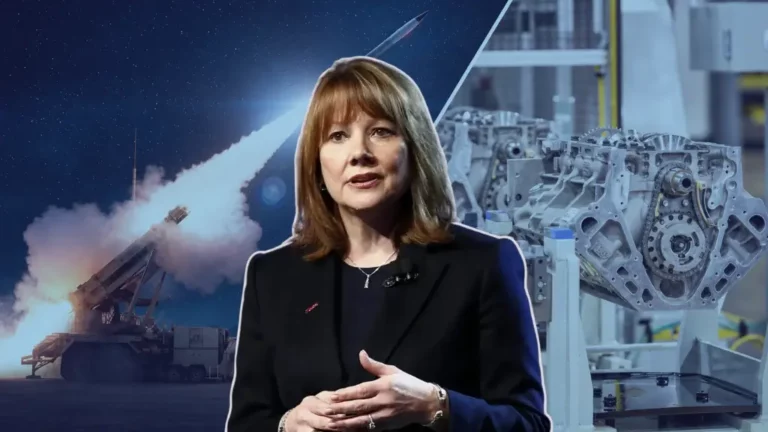
The move mirrors plans by domestic automakers, General Motors and Ford. Earlier this year, both companies announced plans to scale back EV production and refocus on gas-powered and hybrid vehicles.
General Motors indefinitely suspended plans to refresh its full-size electric truck and SUV lineup.
Ford canceled plans for several all-electric vehicle models, including the successor to the F-150 Lightning, known as the T3 truck.
EV slump an American issue
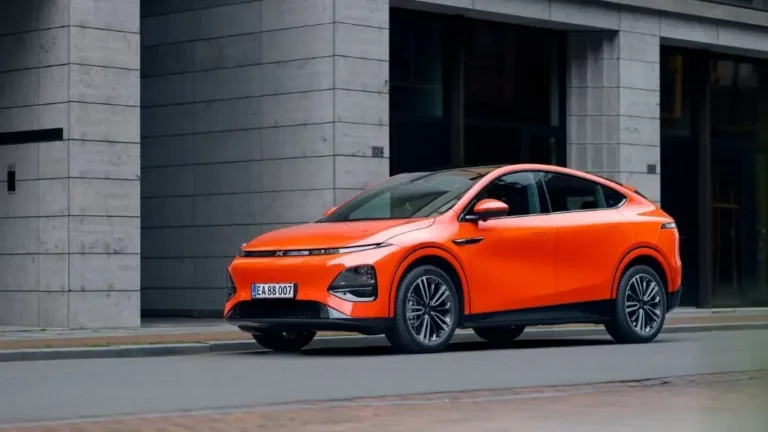
The slowdown in EV sales is mostly an American issue. U.S. EV sales fell 27% year over year in Q1 2026, with Americans purchasing around 216,000 vehicles, according to Kelley Blue Book. Meanwhile, European EV sales hit record highs in March 2026, with over half a million plugin vehicles registered.
Globally, roughly one in four vehicles sold is now electric, leaving automakers to navigate a shrinking U.S. market while demand accelerates everywhere else.