TSLA365.4401.88%
GM85.620-0.5%
F13.9700.09%
RIVN16.030-0.02%
CYD35.820-0.08%
HMC32.5200.905%
TM198.2005.72%
CVNA69.160-1.12%
PAG215.910-0.7%
LAD358.020-8.13%
AN203.670-3.55%
GPI278.270-3.57%
ABG208.500-0.31%
SAH75.900-0.62%
TSLA365.4401.88%
GM85.620-0.5%
F13.9700.09%
RIVN16.030-0.02%
CYD35.820-0.08%
HMC32.5200.905%
TM198.2005.72%
CVNA69.160-1.12%
PAG215.910-0.7%
LAD358.020-8.13%
AN203.670-3.55%
GPI278.270-3.57%
ABG208.500-0.31%
SAH75.900-0.62%
TSLA365.4401.88%
GM85.620-0.5%
F13.9700.09%
RIVN16.030-0.02%
CYD35.820-0.08%
HMC32.5200.905%
TM198.2005.72%
CVNA69.160-1.12%
PAG215.910-0.7%
LAD358.020-8.13%
AN203.670-3.55%
GPI278.270-3.57%
ABG208.500-0.31%
SAH75.900-0.62%


Why poor performers stay too long and how to fix it

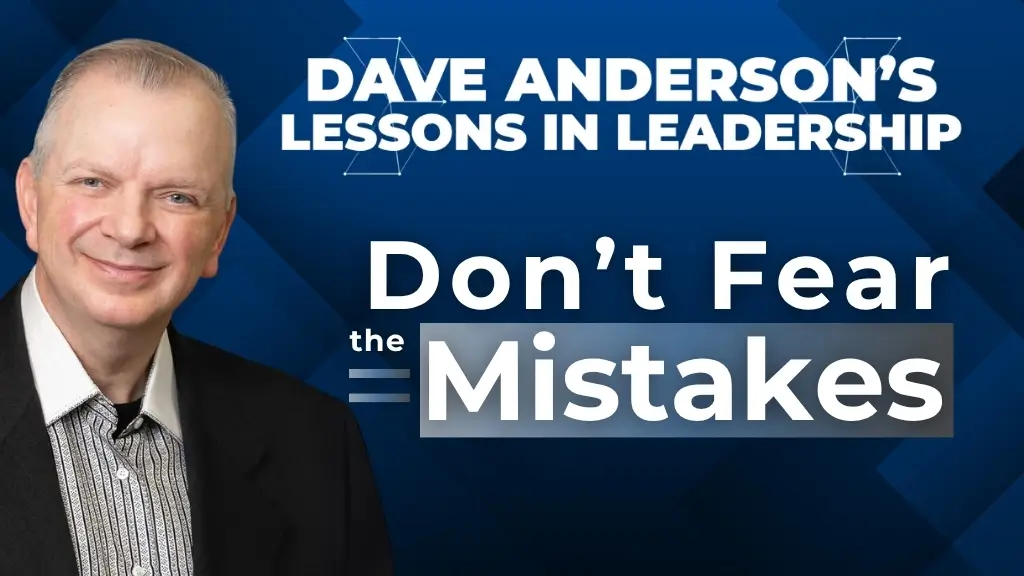
On this episode of Lessons in Leadership, Dave Anderson, President of LearnToLead, breaks down the 18th trait in his 21 traits for high-performance cultures: fire fast.

The foundation of this trait begins long before any termination decision is made, Anderson says.  Dealerships that make hiring extremely difficult rarely find themselves needing to remove poor performers on a regular basis. When the right people are brought in from the start, poor performance becomes the exception rather than the rule. 

Sign up for CBT News’ daily newsletter and get the latest industry stories delivered straight to your inbox.

Anderson’s philosophy centers on hiring slower and firing faster, but only within a system where standards are clearly defined. With that in place, he says, underperforming employees don’t need to be pushed out. They know where they need to be and by when, and if they fall short, the outcome isn’t a surprise.

The breakdown tends to happen in organizations where standards lack definition, Anderson says. In those environments, leaders hesitate, accountability stalls, and the wrong people stay in their roles far longer than they should.

“If we want faster accountability, we need more clear clarity, faster feedback, and swifter consequences for those not getting the job done,” says Anderson.

Anderson points to three elements that make this trait work in practice: clearly defined standards that leave no room for interpretation, timely feedback that addresses performance gaps before they become entrenched, and consistent consequences when those standards are not met. Together, these create an environment where accountability is built into the culture rather than left to individual managers to enforce.

Anderson frames the departure of a poor performer as a decision the employee ultimately makes for themselves. In high-performance cultures, no one is blindsided by a termination. The standards are set, the feedback is ongoing, and those who cannot meet expectations have, in effect, made their own exit.

Anderson’s full 21-part Lessons in Leadership series is available at CBTNews.com. His book, Elevate Your Excellence, is also available on Amazon and LearnToLead.com.


More from Lessons in Leadership
How to implement a winning strategy without falling in love with your plan 

How to implement a winning strategy without falling in love with your plan 

- August 19, 2026
  A compelling vision sets the destination for an organization, but execution requires a concrete roadmap to reach the goal. In the latest episode of Lessons in Leadership, Leadership Expert and...
Why leadership vision can’t be voted on, and how to keep it alive

Why leadership vision can’t be voted on, and how to keep it alive

- August 12, 2026
In the rapidly changing retail automotive landscape, dealership leaders often feel overwhelmed with daily tasks such as managing inventory turnover, monitoring service bay utilization and meeting monthly sales quotas. However,...
How proactive leaders stay ahead of the competition

How proactive leaders stay ahead of the competition

- August 5, 2026
Too many business leaders manage their organizations from behind a desk, spending more time tracking past performance than shaping future strategy. According to Leadership Expert and LearnToLead President Dave Anderson,...
Why leaders should encourage mistakes

Why leaders should encourage mistakes

- July 29, 2026
On the latest episode of Lessons in Leadership, Leadership Expert Dave Anderson recounts the eighth trait in his 15 commandments for Organizational Peak Performance series, highlighting that top-performing dealers build...
CBT News
Privacy Overview

This website uses cookies so that we can provide you with the best user experience possible. Cookie information is stored in your browser and performs functions such as recognising you when you return to our website and helping our team to understand which sections of the website you find most interesting and useful.