The next big fight over your car isn’t about gas prices, emissions, or even electric vehicles. It’s about something much bigger, who controls the road, and who controls you while you’re on it.
What’s happening in Illinois should set off alarms nationwide. Lawmakers aren’t just looking for more revenue, they’re laying the groundwork for a system that could track every mile you drive.
Illinois State Representative Ram Villivalam has introduced the Road Usage Charge Act, pitched as a pilot program to study a mileage-based tax. That sounds harmless enough, until you look at what it actually means. This isn’t just a study, it’s the opening move in replacing the gas tax with a system that follows you, mile by mile.
Why now? Because the current model is breaking down. As more drivers move into electric vehicles and high-efficiency cars, gas tax revenue is declining. States like Illinois, heavily dependent on that revenue, are scrambling to replace it. But instead of fixing spending problems or rethinking bloated budgets, they’re going straight to a system that expands control.
And Illinois drivers are already paying plenty.
Under Governor J. B. Pritzker, the state doubled its gas tax in 2019, pushing it among the highest in the country. Add in tolls, fees, and everything else layered on top, and drivers are already funding the system at a premium. So the idea that the state is suddenly coming up short deserves a closer look.
Now comes the next step, charging you not for fuel, but for movement itself. A mileage-based tax, often called a VMT tax, sounds simple in theory. The more you drive, the more you pay. But the reality is far more complicated, and far more intrusive.
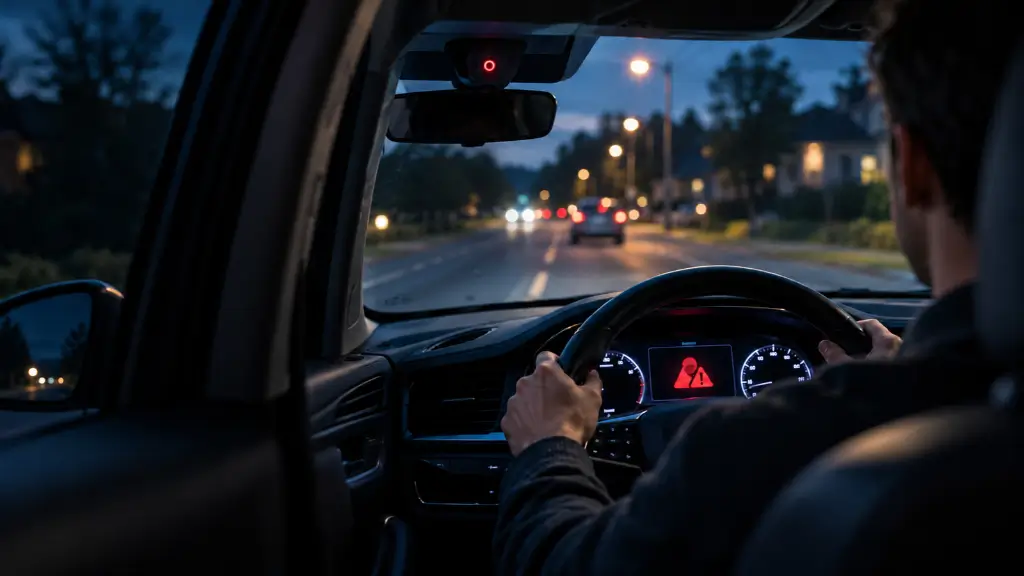
Depending on how it’s implemented, drivers could be required to report their mileage annually, or install tracking devices in their vehicles. That’s where this stops being just about taxes and starts becoming something else entirely. Because once the government can track how far you drive, it’s not a leap to tracking when you drive, where you go, and how often you travel.
Even groups like the American Civil Liberties Union have raised concerns about mileage-based systems, warning that they open the door to serious privacy risks. And history makes one thing clear, once a data collection system is in place, it doesn’t shrink. It grows.
Supporters will tell you this is about fairness. If electric vehicle owners aren’t paying gas taxes, they should still contribute to road funding. That’s a reasonable argument, on the surface. But that’s not what’s being proposed.
Instead of targeting the gap, policies like this cast a wide net, pulling in every driver, including those already paying high fuel taxes every time they fill up. That creates a very real risk of double taxation, not just temporarily, but potentially as a permanent feature of the system. And then there’s the part no one wants to talk about, spending.
If states are already collecting billions through gas taxes and tolls, where is the money going? Before asking drivers to pay more, there should be clear answers about how existing funds are being used, and whether they’re being used efficiently.
That conversation rarely happens.
What does happen is expansion. More programs, more layers, more cost. And make no mistake, a mileage-based system won’t be cheap to run. It requires technology, administration, enforcement, and oversight. Every one of those comes with a price tag, and that price doesn’t get absorbed by the government. It gets passed directly to you. Drivers understand this instinctively, even if policymakers pretend otherwise.
That’s why similar proposals in Illinois have already faced backlash. A previous attempt in 2019 was pulled after public pushback, and for good reason. People recognized what was really being proposed, more access, more oversight, more cost. And less control for the driver. Because that’s what this ultimately comes down to.
Driving in America has always meant freedom, the ability to go where you want, when you want, without someone keeping score. A mileage tax tied to tracking systems starts to change that. It turns mobility into something measured, monitored, and managed. That’s not a small shift. That’s a fundamental one.
To be clear, declining gas tax revenue is a real issue. As vehicles become more efficient and electric adoption grows, states will have to adapt. But adaptation doesn’t have to mean overreach.
If electric vehicles aren’t contributing equally, then address that directly. Adjust registration fees, create transparent usage models specific to EVs, and keep it simple. Don’t build a system that tracks every driver just to solve a problem that only affects part of the market. Because once that system is in place, it won’t stay limited. It never does.
What’s being proposed in Illinois isn’t just about funding roads. It’s about expanding authority, using “fairness” as the justification. And other states are watching and waiting to follow this plan.
And drivers should be asking a very simple question: Is paying for the road one thing, or giving up your privacy to use it something else entirely? Because once the government gets comfortable riding along with you where ever you go, it won’t stay in the passenger seat for long.
Check out my full commentary on this story: https://youtu.be/3DKD3qPtzBY
Looking for more automotive news? https://www.CarCoachReports.