On the Dash:
- Ford’s F-Series Super Duty prototype contract is its largest defense opportunity since the Cold War.
- GM leads with ISV-Heavy field testing and a $1 billion pipeline for 10,000 more vehicles.
- Defense work is becoming a real, less cyclical revenue stream for automakers beyond retail sales.
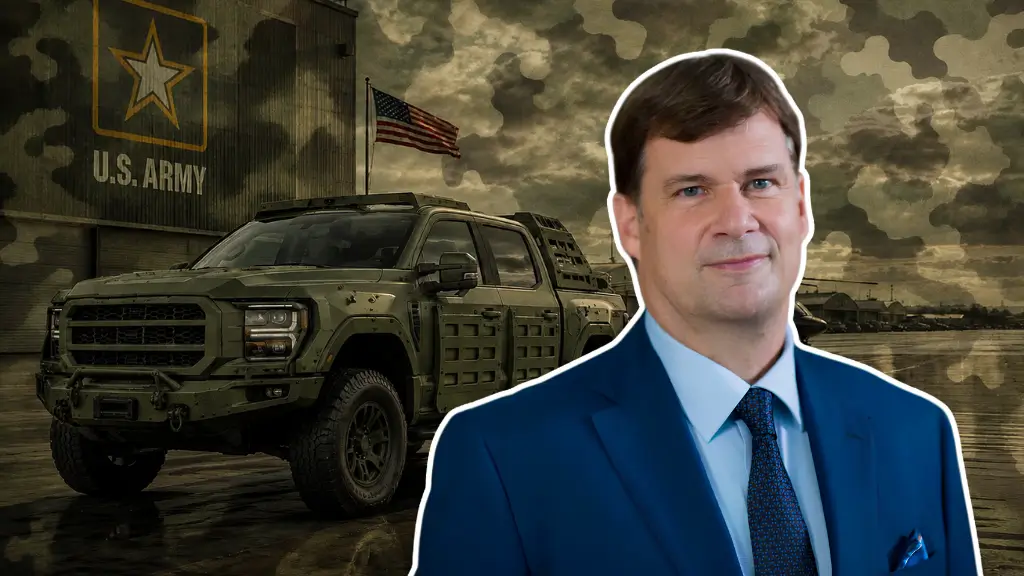
Ford is chasing its largest military contract since the Cold War, joining General Motors (GM) and off-road manufacturer BC Customs in the competition to build the U.S. Army’s newest tactical truck, the Wall Street Journal first reported Monday. The move follows months of quiet meetings between the Pentagon and Detroit’s automakers about a bigger role in defense manufacturing.
According to the Journal, the Army confirmed it awarded contracts to all three companies to build prototypes for delivery next year. The service wants roughly 600 of the trucks, which need to double as mobile charging units for drones and command-and-control equipment while moving troops over rough terrain.
Ford’s contract calls for three prototypes based on the F-Series Super Duty platform. In a statement to the Journal, the company said it looked forward to “delivering several incredibly capable vehicle prototypes that demonstrate the value Ford can provide” to the Army and its soldiers.
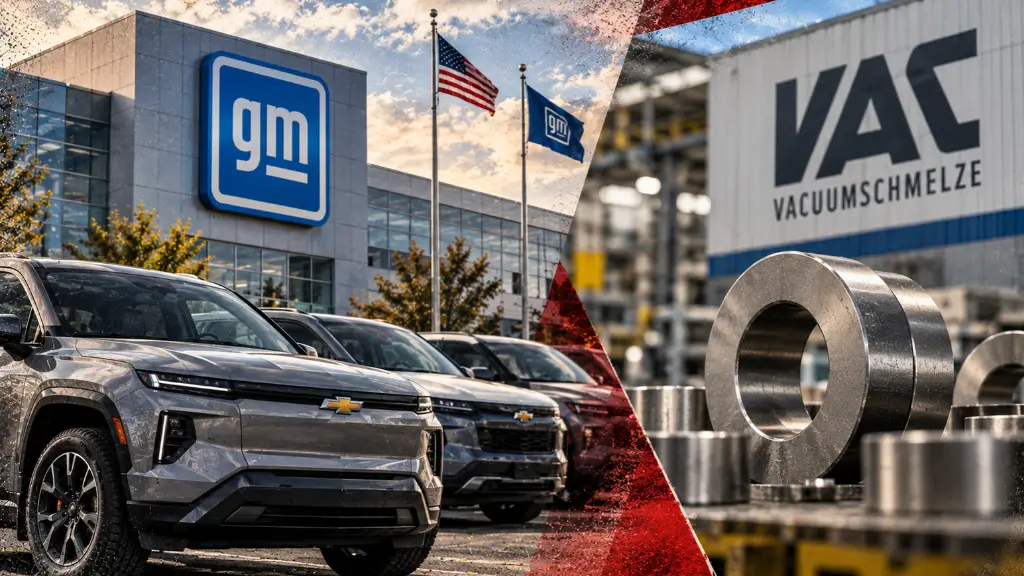
However, GM had a head start in the competition. The automaker’s ISV-Heavy prototype, built on the heavy-duty version of the Chevrolet Silverado, has already been purchased by military officials for field testing. GM Defense, the automaker’s defense subsidiary formed in 2017, also holds a $1 billion deal for 10,000 smaller infantry squad vehicles, contingent on budget approval. Those smaller trucks currently cost about $330,000 apiece.
Notably, GM is expanding its business beyond ground vehicles, as the automaker engaged with Lockheed Martin to supply weapons components and recently announced a broader agreement to support the defense company’s munitions manufacturing.
The Pentagon push
The competition reflects a broader push from the Pentagon, which has been lobbying automakers and their suppliers to scale up defense manufacturing as wars in the Middle East and Russia’s invasion of Ukraine have strained military equipment supplies. Ford CEO Jim Farley said this spring that the automaker was in talks with the Pentagon on multiple defense projects, including a possible role in onshoring production of critical minerals and components such as semiconductors.
Ford’s return to military trucks revives a role it held decades ago. The automaker supplied Jeep-like tactical trucks to the military during the Korean and Vietnam wars before largely exiting the defense business with the 1990 sale of its Ford Aerospace subsidiary.
Unfortunately, neither company has said what the new Army trucks will cost or when the Army expects to select a design for full production.