
On the Dash:
- Over a million off-lease EVs will flood the used market by 2028, pressuring prices.
- Automakers face losses as returned vehicles sell below projected residual value
- It could drive down prices opening the EV market to budget buyers, while squeezing dealer profit margins
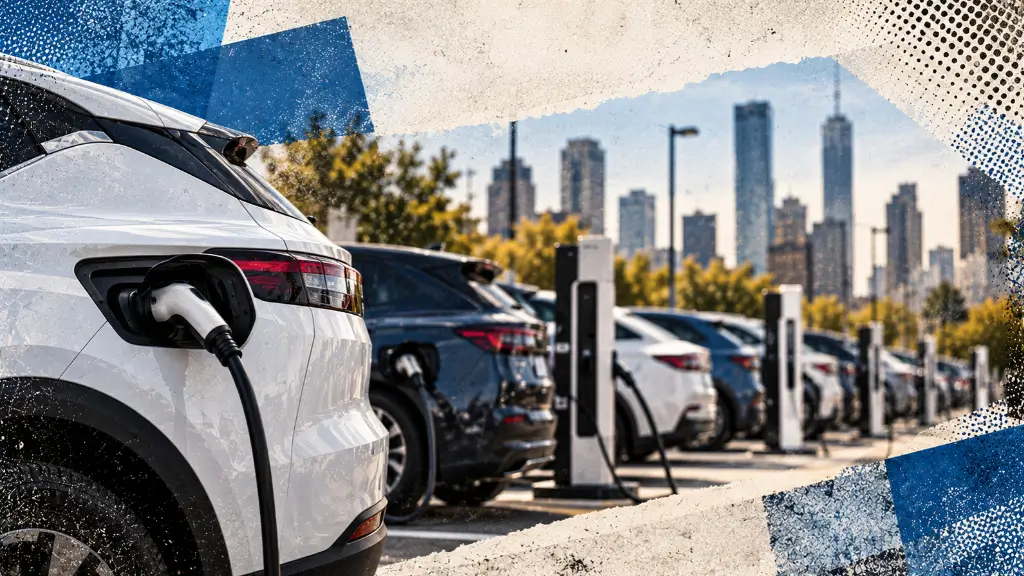
The U.S. used electric vehicle market faces a historic supply surge as hundreds of thousands of leased EVs begin returning to dealerships. EV lease expirations will climb from 123,000 in 2025 to 300,000 in 2026, then double to 600,000 in 2027, pushing more than a million used EVs into the secondary market within a few years.
The surge arrives as used EV prices already lag behind the residual values automakers projected when they wrote the original leases, according to a report by Deloitte published this month. The report warns the gap will widen as return volumes grow, threatening automakers and their financing arms with mounting losses on vehicles that sell for less than expected.
The report urged automakers to treat the wave as a strategic challenge requiring coordination across product, finance, and retail functions. It recommended manufacturers prioritize keeping customers in vehicles, converting leases to retail loans, or placing off-lease units in fleet and corporate channels before sending them to open auction.
Rising gasoline prices may ease pressure on demand. Gas averaging $4.06 per gallon nationally, up from $3.17 a year ago, has driven a 25 percent jump in EV search traffic on Cars.com, and a recent survey found 52 percent of shoppers now consider an electric or plug-in hybrid their next vehicle.
Analysts see two possible outcomes. If supply outpaces demand, used EV prices fall sharply, accelerating adoption but eroding the economics of new EVs. If fuel prices stay high and charging infrastructure keeps expanding, demand absorbs the supply and stabilizes pricing. The Deloitte report concluded the outcome will depend less on market conditions than on how quickly automakers move to shape demand rather than simply react to supply.