ICYMI: FTC invites dealers to report potential pricing issues across the industry. Ford doubles down on U.S. Assembly as trade policies shift industry strategy. Carvana expands its dealership portfolio with a CDJR dealership in Ohio. New car sales drop 7.3% in April, but don’t blame buyers. Cox Automotive to acquire Fullpath to expand AI-driven marketing.
Here’s a closer look at these top stories and more headlines to stay on top of this week’s automotive industry news.
 FTC invites dealers to report potential pricing issues across the industry
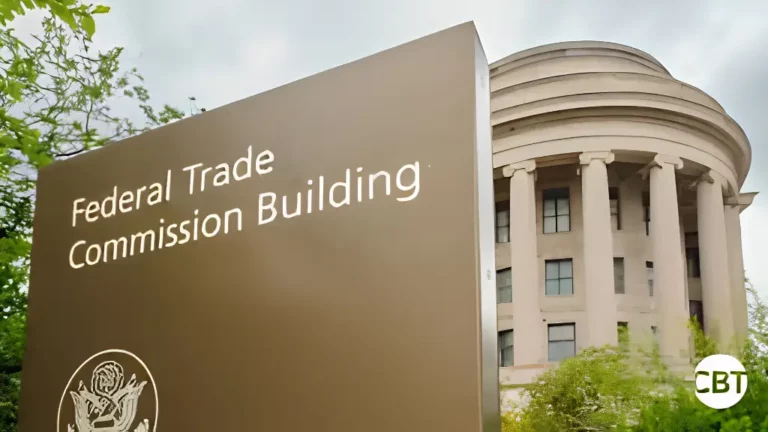
On April 17, a Federal Trade Commission (FTC) official told dealers they can report competitors who violate the recent advertising regulations, according to an Automotive News report. In March, the FTC issued a massive industry-wide warning letter to 97 dealership groups over potential advertising violations. The agency is now encouraging compliant dealers to assist in identifying noncompliant competitors. Officials say the effort to level the playing field across the retail auto market is underway. Read More
Ford doubles down on U.S. Assembly as trade policies shift industry strategy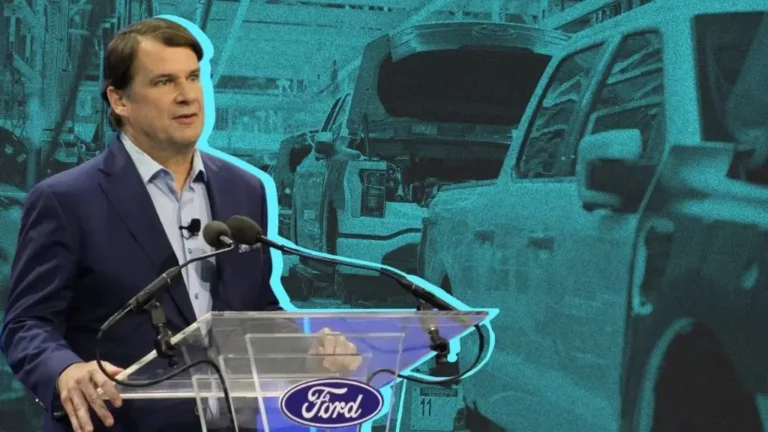
New industry data, first reported by the Washington Reporter, shows U.S. trade and tariff policies are reshaping where automakers build vehicles, with Ford emerging as the most domestically focused major manufacturer. According to S&P Global Mobility, Ford imported 378,123 finished vehicles into the United States in 2025, fewer than those of every other major automaker except Tesla and BMW. Read More
 Carvana expands dealership portfolio with CDJR dealership in Ohio
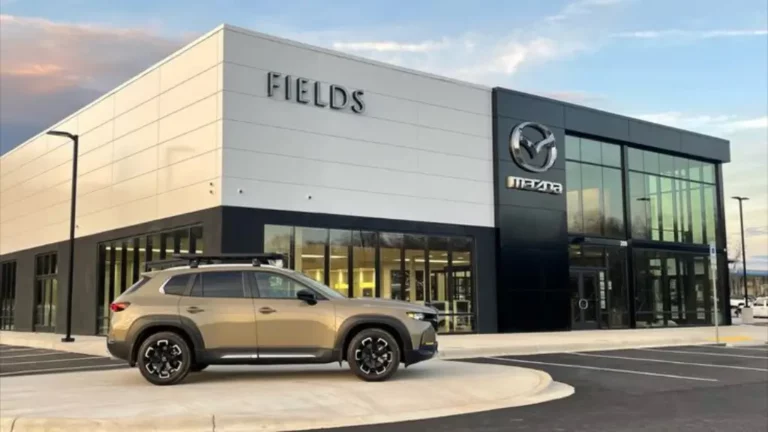
Carvana has acquired a Chrysler Dodge Jeep Ram dealership in Avon Lake, Ohio, marking the online used-vehicle retailer’s seventh franchised Stellantis location as it continues its push into new-car sales. The dealership, Avon Lake Chrysler Dodge Jeep Ram, is located just outside Cleveland. The dealership’s voicemail states that it is “now proudly owned and operated by Carvana.” Read More
New car sales drop 7.3% in April, but don’t blame buyers
JD Power and GlobalData’s latest forecast shows a 7.3% sales decline in new car sales for April 2026. While that number looks alarming, there’s more to it. Analysts point to a tariff-driven rush to retail lots last April when an additional 53,000 consumers bought new cars in an attempt to head off price increases from anticipated trade tariffs. Last April’s tariff-driven spike in sales pushed that number to 17.2 million. Read More
Cox Automotive to acquire Fullpath to expand AI-driven marketing
Cox Automotive announced plans to acquire Fullpath, an AI-powered customer data and marketing platform to strengthen its dealer network across its retail platform. The acquisition is designed to integrate Fullpath’s AI-native customer data and marketing infrastructure into Cox Automotive’s existing ecosystem, enabling dealers to better manage customer insights, personalize outreach, and improve overall marketing performance. Read More
Next Week: Exclusive Interviews You Can’t Miss
Chinese automakers eye U.S. market as global dominance grows
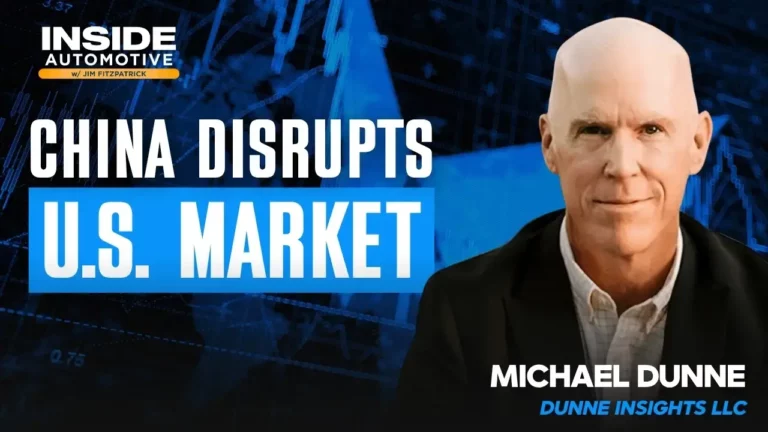 While Chinese automakers are quickly entering global markets, the U.S. remains the only major country without direct sales. Despite existing regulatory and political hurdles, Michael Dunne, CEO of Dunne Insights, predicts this will change. He joins us on Inside Automotive to discuss his belief that Chinese auto manufacturers will likely enter the U.S. market within the next three years.
FTC crackdown pushes auto dealers to treat compliance as a core business function
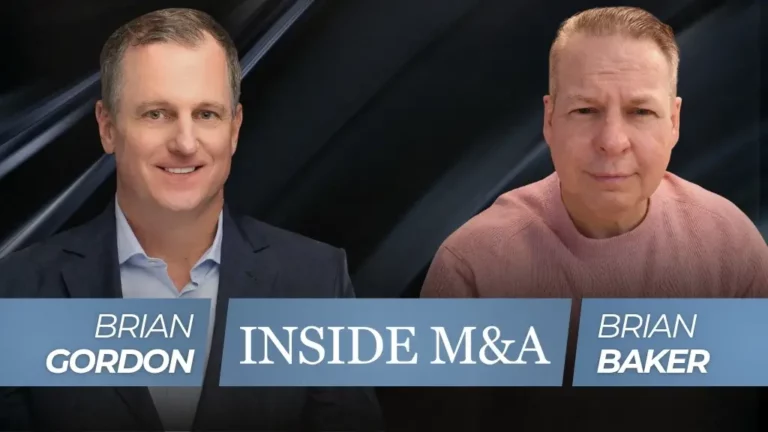 The Federal Trade Commission’s (FTC) intensifying scrutiny of automotive advertising practices is forcing dealerships across the country to rethink how they approach pricing transparency, with industry experts alluding that the stakes have never been higher. Brian Gordon, President of the Dave Cantin Group (DCG), and Brian Baker, President of Automotive at Stream Companies, join us on the latest episode of Inside M&A to break down what the FTC’s latest enforcement push means for dealers, their marketing strategies, and ultimately, the value of their businesses.