
On the Dash:
- Direct-to-consumer sales may disrupt traditional dealership networks and affect revenue streams.
- Hybrid preference signals dealers should plan for EREV sales, inventory, and service needs alongside full EVs.
- The U.S. truck and SUV market remains critical; dealer strategies for inventory and customer engagement may need adjustment.
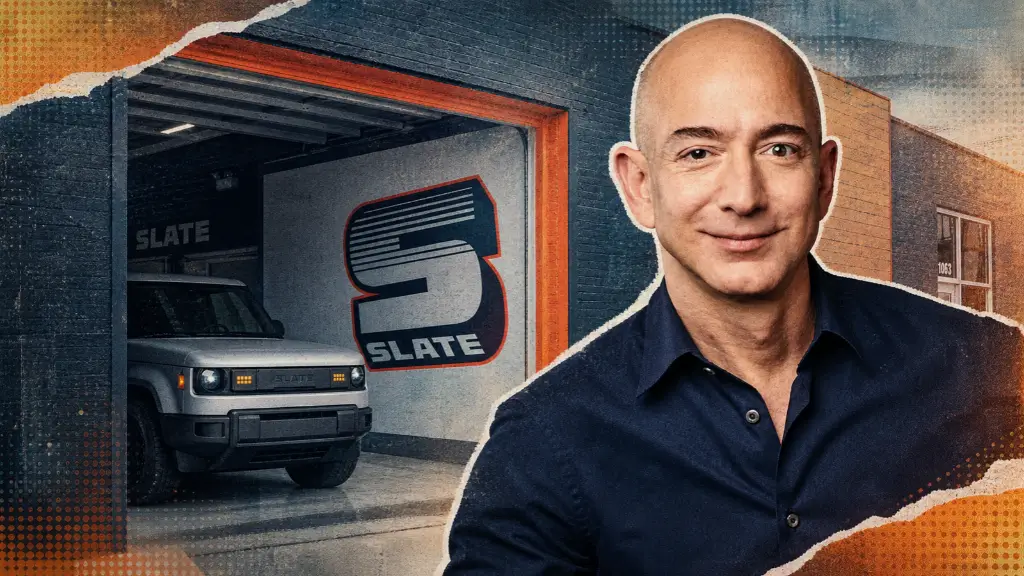
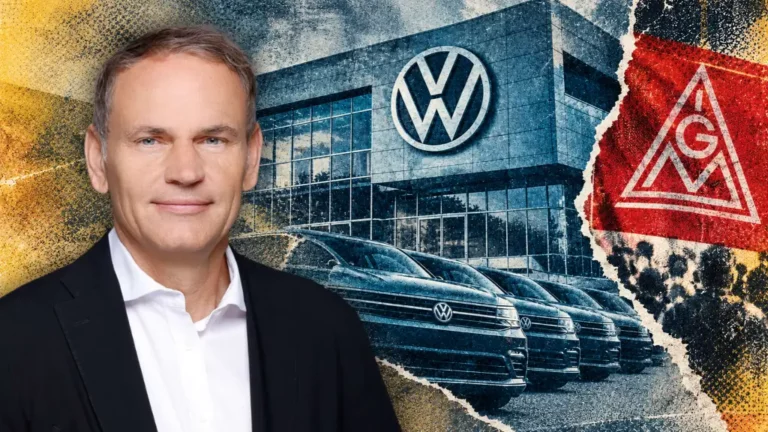
Volkswagen’s Scout Motors brand has received more than 160,000 reservations for its first model, with most customers opting for extended-range hybrid versions rather than fully electric, Scout CEO Scott Keogh said Wednesday.
Scout will begin building prototype models this year at a plant under construction in South Carolina, Keogh said at an Automotive Press Association event in Detroit. He expects vehicles to reach customers by 2028, after production was initially scheduled for 2027 and was delayed by technical issues.
Of the reservations, 87% are for extended-range EVs, or EREVs, which combine a small gas engine that recharges the battery on the go with a large electric powertrain. Volkswagen introduced Scout as a fully electric brand in 2022, later adding EREV models after U.S. EV growth slowed.
Volkswagen hopes Scout will help it gain market share in the U.S., which is dominated by trucks and SUVs. The automaker ranked 11th in U.S. vehicle sales last year, behind Tesla, according to research firm Motor Intelligence. Keogh said a direct-to-consumer sales model “made the most sense, without a doubt,” given the American market.
The launch comes amid a legal challenge from dealers. On Tuesday, two U.S. Volkswagen dealerships filed a lawsuit against the automaker over its decision to sell Scout vehicles directly to consumers, alleging a breach of contract. The lawsuit seeks class-action status.
Scout Motors’ reservation surge reflects both growing consumer interest in hybrid options and Volkswagen’s strategy to position the brand for long-term growth in the competitive U.S. truck and SUV market.