On the Dash:
- States are challenging the federal freeze on EV charging funds, arguing the Trump administration unlawfully halted two congressionally approved infrastructure programs.
- Project delays are already emerging, with state- and university-led charging initiatives stalled despite prior planning funds having been awarded.
- The legal fight adds uncertainty to the EV infrastructure rollout, as access to charging and consumer incentives remain central to adoption and dealer readiness.
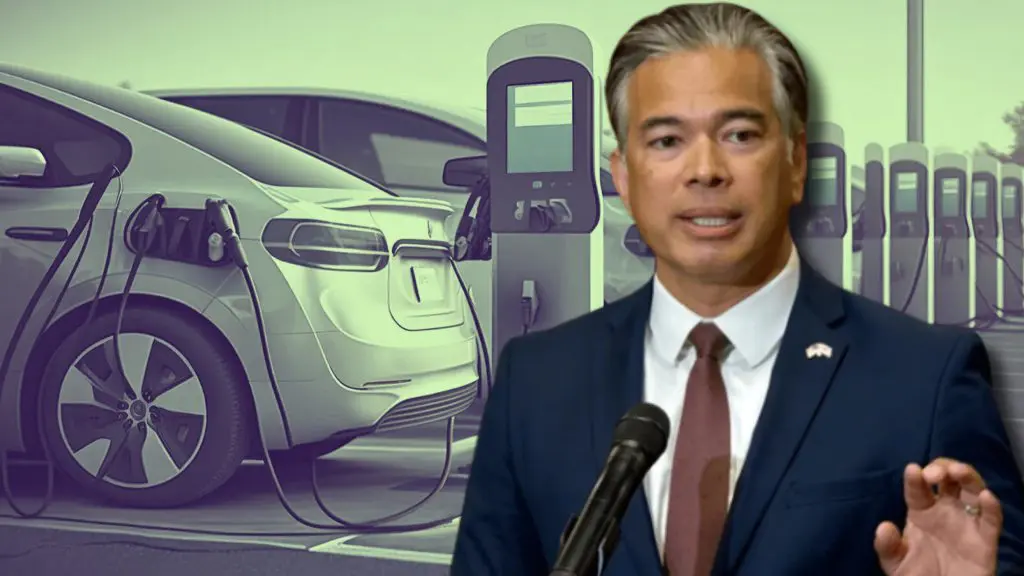
A coalition of state attorneys general, led by California Attorney General Rob Bonta, sued the Trump administration on Tuesday, seeking to restore billions of dollars in federal funding for EV charging infrastructure that they say was halted without notice or explanation.
The lawsuit alleges that the U.S. Department of Transportation unlawfully suspended two grant programs designed to expand EV charging access:
- The Charging and Fueling Infrastructure Grant Program
- The Electric Vehicle Charger Reliability and Accessibility Accelerator Program.
The states argue the department has refused to approve new funding under both programs despite bipartisan congressional authorization.
Colorado Attorney General Phil Weiser and Washington Attorney General Nick Brown are co-leading the suit, joined by 14 other states, including Arizona and Wisconsin. The plaintiffs contend the administration’s actions violate the constitutional separation of powers because Congress approved the funding.
Notably, the charging programs were established in 2022 under the Infrastructure Investment and Jobs Act. Since then, EV adoption has continued to grow in several states. California alone has sold more than 2.4 million EVs, including electric trucks, delivery vans and buses.
The lawsuit follows earlier legal action over EV infrastructure funding. In May, a group of state attorneys general sued the Trump administration over cuts to a separate program, the National Electric Vehicle Infrastructure Formula Program, which funds charging stations near highway exits. Additionally, a federal court in Washington state issued a preliminary injunction this summer, temporarily blocking those cuts.
State officials say the latest funding freeze has already delayed projects. Weiser cited multiple EV charging initiatives across Colorado, including a Colorado State University project that remains on hold after receiving $1 million for planning, with additional funding also stalled.
Attorneys general argue the pause in funding undermines efforts to reduce emissions and address driver concerns regarding charging availability. The development of EV charging infrastructure is considered essential for alleviating range anxiety, the concern that electric vehicle batteries may deplete during daily commutes or long journeys. Additionally, the lawsuit follows the Trump administration’s reduction of consumer incentives for EVs.