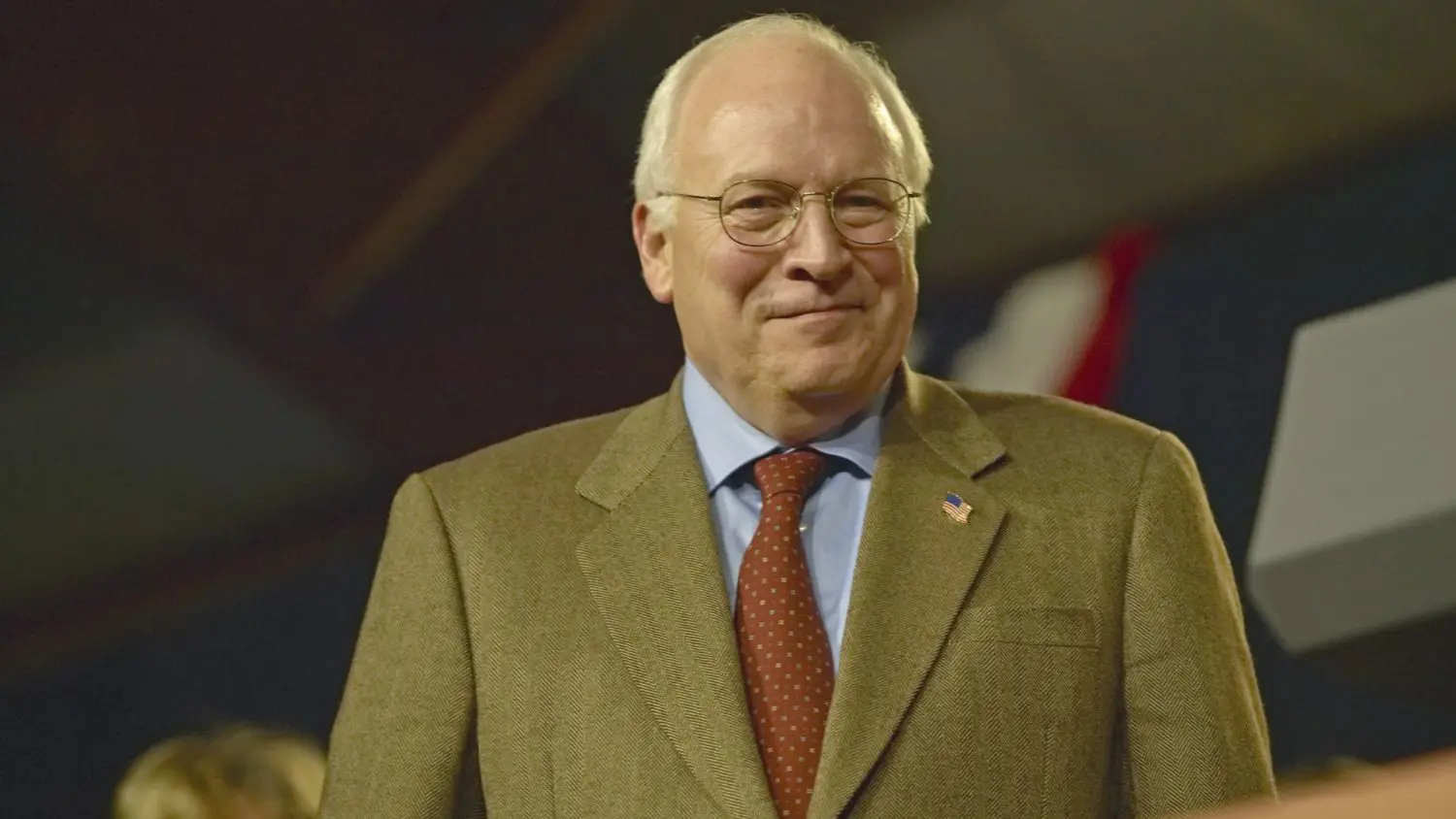
Former U.S. Vice President Dick Cheney, who served under President George W. Bush from 2001 to 2009, died Monday night at the age of 84 from complications of pneumonia and cardiac and vascular diseases.
Cheney’s decades-long career in public service included roles as White House chief of staff under President Gerald Ford, a decade in the House of Representatives, and U.S. secretary of defense beginning in 1989.
While Cheney is well-known for his impact on national security and foreign policy, he also considerably shaped the discussion about the American automotive industry during the 2008 financial crisis. The auto bailout, which ultimately involved government support for General Motors and Chrysler, was a point of contention for Cheney, who consistently opposed federal intervention.
According to his memoir, In My Time, Cheney argued that Congress should have acted earlier to address the struggling automakers, but he preferred that the federal government remain uninvolved. He acknowledged the severe risks posed by a potential collapse of the auto industry, calling it a possible “major shock to the system,” but maintained that government bailouts were not the ideal solution.
“The president decided that he did not want to pull the plug on General Motors as we were headed out the door,” Cheney wrote, referring to the Bush administration’s decision to extend emergency loans to the automakers. Notably, Cheney did not address Chrysler’s partial rescue in his memoir, focusing primarily on GM.
In interviews, he stressed that the $17.4 billion in emergency loans approved by Bush likely prevented the collapse of U.S. automakers at a critical moment for the economy, despite his reservations about federal involvement.
The auto bailout remains a controversial chapter in U.S. economic history, with the Obama administration later reporting an expected $14 billion loss in taxpayer funds from the rescue. Cheney’s stance reflects a broader debate among policymakers about the role of government in stabilizing key industries during economic crises.
Dick Cheney dedicated decades of his life to public service, took a steadfast approach to policy, and voiced dissent even at the highest levels of government. His influence on American politics and the debate over the government’s role in economic crises will be remembered for years to come.