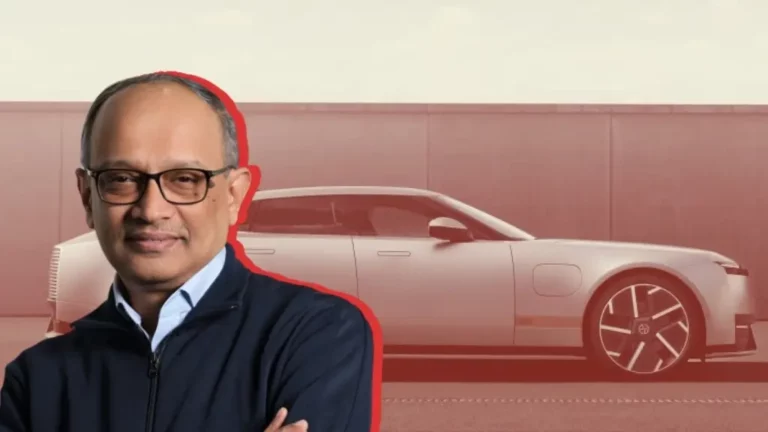
As we move into the final quarter of the year, dealers are monitoring what’s shaping today’s market and what’s to come. Joining us on today’s episode of Inside Automotive to share his perspective from the front lines is Dorian Jimenez, the owner-dealer operator of Classic Chevrolet OKC, Oklahoma City, Oklahoma.
“Everything is the word value, value, value.”
Recent industry reports show that the average transaction price (ATP) for vehicles has now exceeded $50,000, prompting some buyers to explore leasing or lower-priced entry-level models. To address this, dealerships are leveraging leasing programs and entry-level models, including Chevrolet’s sub-$20,000 vehicles, which provide more accessible options for cost-conscious shoppers. At the same time, high-end domestic trucks have reached six-figure pricing, reflecting the market’s broad range.
EV adoption
EV adoption is growing in Oklahoma City, challenging assumptions that “flyover” states lag in EV sales. Notably, consumers previously loyal to trucks are now considering EVs for shorter commutes and lower operating costs. According to Jimenez, having technicians and service advisors who drive EVs themselves helps educate potential buyers, giving shoppers firsthand insight into the vehicles’ performance and usability. While the pre-owned EV market remains limited, strong manufacturer incentives and competitive lease programs are supporting new EV sales.
“EV makes sense. [Customers] understand there’s not the range anxiety that it used to be,” Jimenez said.
Brand loyalty
Moreover, shifts in consumer behavior are also evident in trade-ins and vehicle upgrades. While many buyers are downsizing from larger SUVs to smaller, more fuel-efficient models, pre-owned vehicles are often priced close to new models. This has prompted some customers to choose new vehicles instead. Further, Jimenez notes that consumers are holding onto vehicles longer, with average ownership now extending six to nine years and mileage thresholds steadily increasing.
Jimenez also notes that financing options have evolved to accommodate higher-mileage and older vehicles, with banks now offering shorter loan terms to ensure accessibility. Similarly, Chevrolet dealerships have benefited from brand loyalty, as many buyers are opting for domestic vehicles due to tariffs and economic uncertainties. This trend has contributed to steady sales growth for the brand.
Looking ahead, Jimenez is optimistic about the fourth quarter, describing it as a critical time for dealers, similar to the Super Bowl for the industry. Although supply chain challenges and broader economic uncertainty may pose potential obstacles, he believes that a well-prepared sales team, a solid product lineup, and consistent consumer confidence will help ensure a strong finish to the year.