
On the Dash:
- President Trump delayed the return of high U.S. tariffs on Chinese goods to mid-November.
- The 90-day extension prevents tariffs from spiking back to April’s peak levels.
- Ongoing tariff shifts are creating business uncertainty as Trump pushes for more U.S. soybean sales to China.
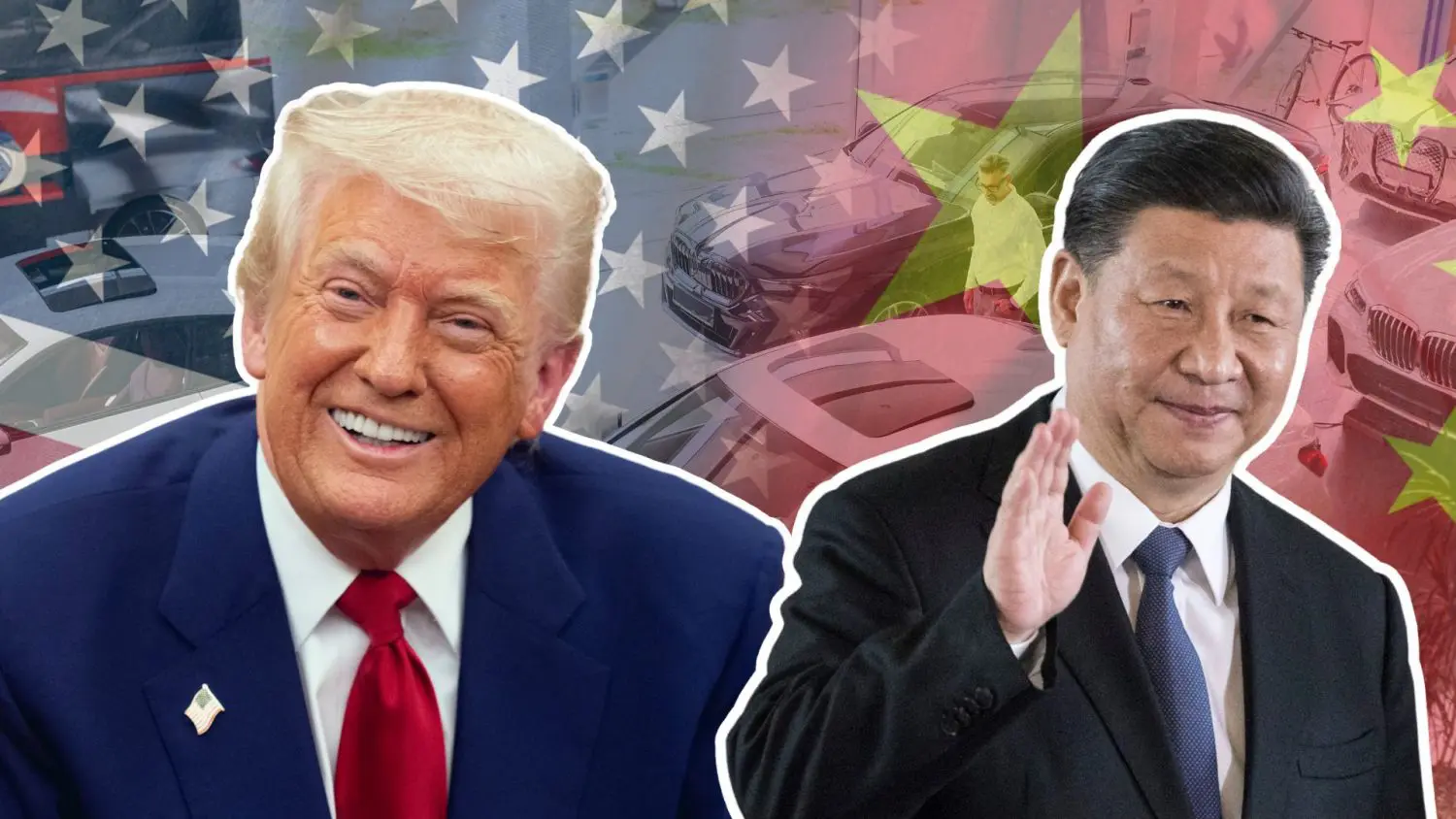
President Donald Trump has reportedly delayed the return of steep U.S. tariffs on Chinese imports for 90 days, pushing the deadline to mid-November. The move, announced Monday through an executive order signed just hours before the tariffs were set to resume, prevents duties from spiking to 145% on Chinese goods.
The tariffs were set to resume Tuesday, ending a ceasefire reached after months of escalating trade tensions. Without the extension, tariffs on certain Chinese products could have surged to 80%, according to U.S. Trade Representative Jamieson Greer. The current 30% rate combines a 10% reciprocal tariff with a 20% levy imposed earlier this year, targeting fentanyl trafficking. Meanwhile, China has maintained its 10% tariff on U.S. goods.
Further, the extension follows recent trade negotiations in Stockholm between U.S. and Chinese officials aimed at addressing trade imbalances and national security concerns. Commerce Secretary Howard Lutnick said last week that both sides were “likely” to agree on the delay, and Trump described the talks as progressing “quite nicely.”
Frequent tariff changes have marked the U.S.-China trade war. Earlier this year, tariffs on Chinese goods reached 145%, with China retaliating at 125% on American imports. These levies contributed to concerns about supply chain disruptions and rising costs for businesses and consumers.
In May, both nations agreed to reduce tariffs to ease tensions and allow time for negotiations. Despite occasional setbacks, including disputes over rare earth minerals, semiconductor restrictions, and visa policies, both sides have sought to avoid a return to the full tariff war.
Over the weekend, Trump urged China to “quickly quadruple” its purchases of U.S. soybeans as part of efforts to reduce the bilateral trade deficit. Chicago soybean prices rose Monday, although it is unclear whether China has committed to increasing purchases.
China remains a major trading partner, with the U.S. importing nearly $439 billion in Chinese goods and exporting about $144 billion to China last year. The tariff extension provides a critical window for ongoing talks aimed at achieving a more stable, long-term trade agreement.