Ford is stepping back from an all-electric future and leaning hard into gasoline and diesel vehicles, this is a huge pivot, setting the stage for a potential profit surge starting in 2026. This isn’t just a corporate maneuver – it’s a move that could redefine the American automotive landscape.
The end of the EV mandate: A financial lifeline
For years, Ford’s profits took a hit from federal regulations pushing electric vehicles (EVs). The U.S. government’s Corporate Average Fuel Economy (CAFE) standards and greenhouse gas (GHG) emissions rules forced automakers to sell an increasing share of EVs, with mandates aiming for near-100% EV sales during the 2030s. These policies brought steep fines and costly GHG credits, requiring Ford to subsidize unprofitable EVs with revenue from gasoline vehicle sales. The result? Higher prices for consumers and fewer of the vehicles Americans actually wanted.
That’s all changing. In July 2025, a budget reconciliation bill became law, easing these regulatory pressures. The Environmental Protection Agency (EPA) is also moving to rescind its GHG “endangerment finding,” a step expected to eliminate GHG fines and credits by late 2025. During a recent earnings call, Ford CEO Jim Farley highlighted the financial windfall, projecting $1.5 billion in savings for 2025 alone, with billions more to follow in 2026 if these credits disappear. These savings far outweigh potential tariff-related costs, positioning Ford for a profitability boom.
Why EVs haven’t won over America
EVs aren’t vanishing entirely, but their role in Ford’s U.S. lineup is shrinking. The reason is straightforward: most Americans aren’t interested. Despite heavy subsidies, EVs remain unprofitable for automakers. Consumers face high upfront costs, rapid depreciation, and low residual values, making gasoline vehicles a more practical choice. Ford’s sales data confirms this, showing EVs as a small fraction of demand while gasoline engines remain popular.
To comply with EV mandates, Ford had to inflate gasoline vehicle prices to offset losses. Technologies like start-stop systems, turbochargers, and electrification added thousands to production costs, which were passed on to buyers. Production quotas also limited how many profitable gasoline vehicles Ford could build. The outcome was a market where consumers paid more for vehicles they didn’t fully want, and Ford’s bottom line suffered.
Ford’s new playbook: Back to what works
With regulatory constraints fading, Ford is realigning production to match consumer demand. The company is phasing out costly technologies like start-stop systems and turbochargers, which were required to meet fuel economy standards. Without CAFE fines, these features are no longer necessary, paving the way for lower prices. Ford is also bringing back naturally aspirated engines, which are cheaper to produce and known for their reliability – qualities American buyers value. The 5.0-liter V-8, found in the F-150 and Mustang, is a standout example, and Ford may expand its use to models like the Expedition, Lincoln Navigator, Ranger, and Bronco.
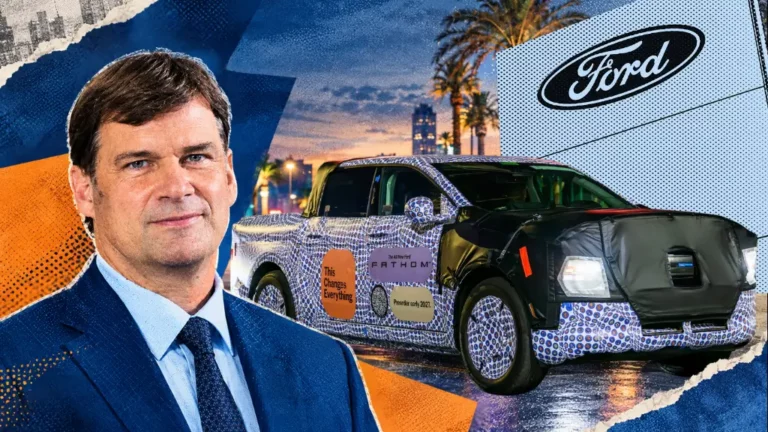
While Ford isn’t abandoning EVs entirely, their focus will shift. EVs will remain for international markets, niche applications, and research to stay competitive if they become viable without subsidies. An August 11 showcase will highlight new EV products, but these are expected to account for just 1% of U.S. sales. This strategic shift allows Ford to prioritize affordable, reliable vehicles that align with what Americans want.
The financial outlook: Profits in sight
Ford’s second-quarter 2025 financials offer a glimpse of the road ahead. The company reported a record $50.2 billion in revenue but a $36 million net loss due to special items. Its EV division, Ford Model e, recorded a $1.3 billion EBIT loss, up $179 million from last year. However, Ford is optimistic. By redirecting resources from EVs to commercial trucks and full-size SUVs, the company sees a multi-billion-dollar opportunity. Over-the-air updates are cutting repair costs by 95%, though software issues still account for a third of warranty expenses.
To brace for potential challenges, Ford secured a $3 billion line of credit from JPMorgan Chase, despite holding $20 billion in cash and $14 billion in liquid securities. This cautious move signals confidence in its long-term strategy. If Ford’s focus on gasoline vehicles delivers, its stock price could climb as profits grow.
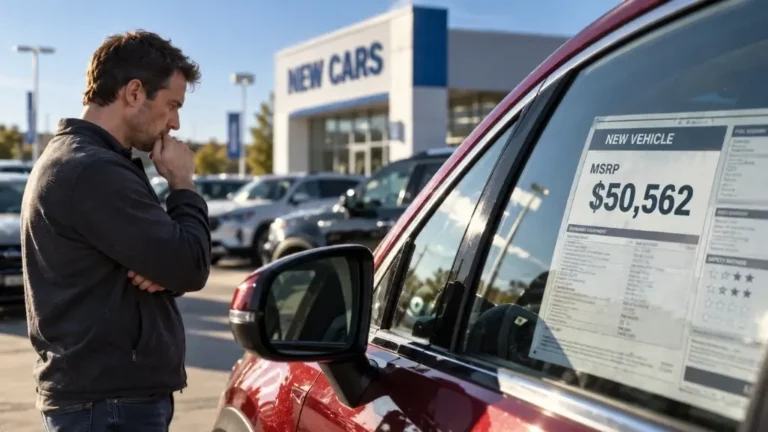
The end of EV mandates is a win for affordability. New vehicle prices have soared in recent years, with basic models jumping from $16,000 six years ago to much higher today, partly due to EV-related costs. As Ford shifts to naturally aspirated engines, gasoline vehicle prices could drop by thousands. Meanwhile, EVs will reflect their true cost, likely making them less competitive without subsidies.
This shift restores consumer choice. Whether you prefer the reliability of a gasoline truck, the power of a Mustang, or the utility of an SUV, you’ll find more options at better prices. Ford’s emphasis on commercial trucks and SUVs also caters to businesses and families, key drivers of demand.
A market driven by demand
Ford’s pivot underscores a fundamental truth: markets thrive when they reflect consumer preferences, not government mandates. The EV push forced automakers to prioritize unprofitable products, raising prices and limiting choice. Its rollback lets Ford invest in what Americans want – affordable, dependable vehicles. This could spark a revival for the U.S. automotive industry, with Ford at the forefront.
Other automakers are likely watching. If Ford’s profits soar, competitors may follow, reinforcing the trend toward gasoline and diesel. EVs will continue to evolve where they make economic sense, but for now, the U.S. market is hitting the gas.
Ford’s decision signals lower prices, more choices, and a market that listens to consumers. Whether you’re a truck driver, a family on the go, or a car enthusiast, this shift could mean better vehicles at better prices. Share this story with friends who love cars or hate high costs – they’ll want to know.
For a peek at Ford’s tech future, check out its August 11 EV showcase. But the real story is clear: gasoline engines are back, and Ford is ready to lead the charge. Stay tuned to The Blaze for more insights on what’s driving the automotive world.
Check out my full commentary on this story: http://youtu.be/H3Rw5Qo6joI
Looking for more automotive news? https://www.
Listen to The Drive Car Show – https://www.youtube.com/@thedrivecarshow