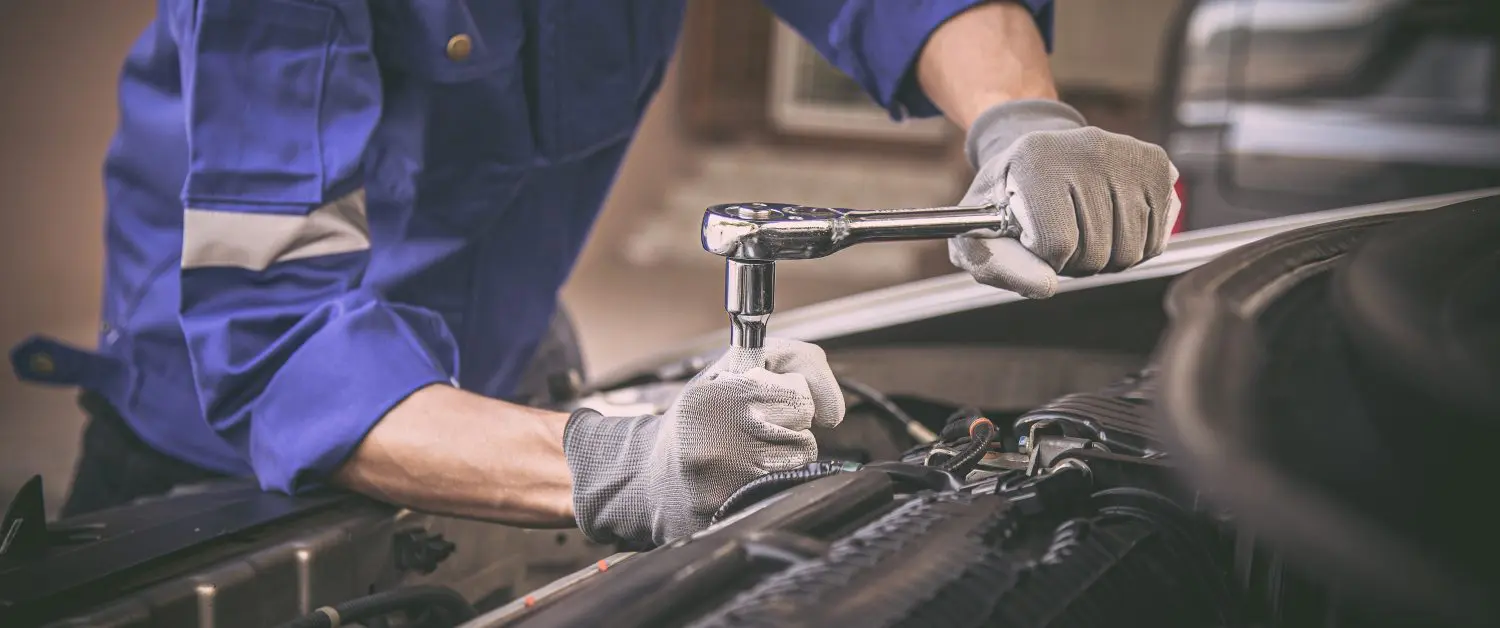
As the automotive industry rapidly shifts toward electric vehicles (EVs), the need for trained technicians who can service these cars has never been more urgent.
California and Michigan are two states leading the way in this transition. However, the demand for EV service professionals is growing nationwide. To address the demands of this evolving market, both states are actively investing in workforce training programs that prepare technicians to manage the complexities of electric vehicle repair and maintenance.
California, with its aggressive goal of ensuring all new vehicles sold by 2035 are zero-emissions, is taking a proactive approach. The state already has more than 1.2 million electric vehicles on the road, and that number is expected to rise significantly in the coming years. As EVs continue to gain market share, the demand for qualified technicians who understand the intricacies of electric drivetrains, battery systems, and high-voltage components will be critical.
Los Angeles Pierce College, for example, recently opened the Advanced Automotive Technology Building—a $22 million facility designed specifically to train students in alternative fuel and EV technologies. The center offers specialized tools and equipment for hands-on learning, providing future technicians with the skills needed to work on electric vehicles.
In Michigan, the state is preparing its workforce for the transition by expanding educational programs to meet the demand for EV and hybrid vehicle technicians. With Michigan being home to a significant portion of the nation’s automotive manufacturing, training workers to service electric vehicles is not only necessary but a vital step in preserving the state’s role in the auto industry.
Ensuring that local technicians are well-versed in EV technology helps safeguard the future of Michigan’s automotive sector, while also promoting job growth and economic development in the region.
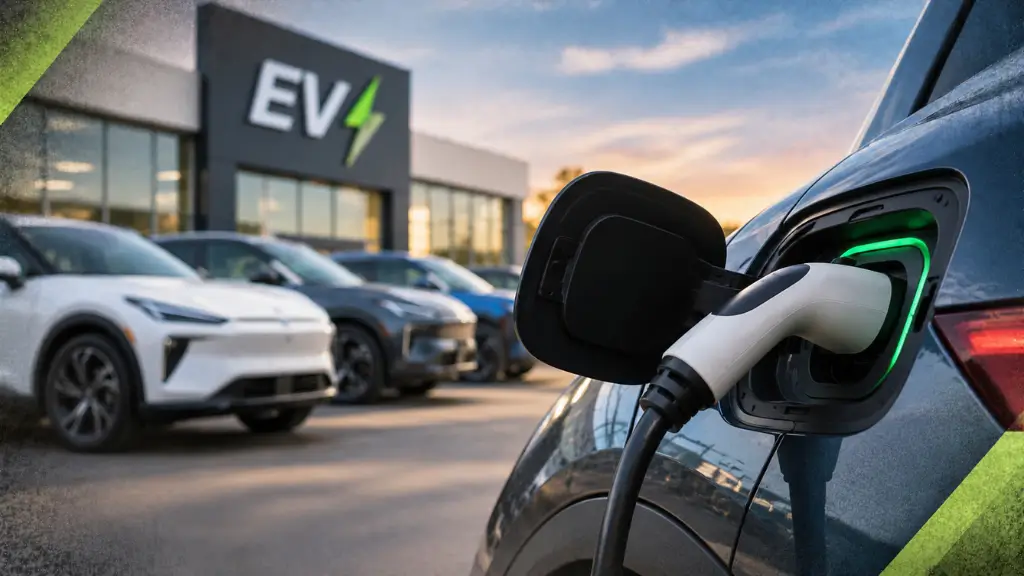
The need for such training is clear: as more electric vehicles hit the road, repair shops, dealerships, and service centers will require technicians who can handle EV-specific issues such as battery management, electrical systems, and regenerative braking technology.
The rise of electric vehicles also underscores a broader challenge facing the automotive repair industry: the shift in skill sets needed. Unlike traditional internal combustion engine vehicles, EVs require an entirely different approach to maintenance and repair. From dealing with high-voltage systems to diagnosing issues in software-driven components, technicians must be equipped with new knowledge and practical experience. Without adequate training, repair shops risk falling behind and could face increasing difficulty in addressing the growing needs of EV owners.
Ultimately, the push for technician training in electric vehicle repair is essential to meet the demands of an electric future. It’s not just about building new cars—it’s about ensuring there are professionals who can service them for years to come, creating a sustainable, long-term foundation for the growing EV market.