TSLA345.6202.37%
GM76.730-0.01%
F12.2400.06%
RIVN15.2400.1%
CYD42.8401.56%
HMC24.370-0.13%
TM211.140-3.86%
CVNA326.840-11.97%
PAG155.1501.89%
LAD266.5403.26%
AN200.4203.51%
GPI338.1105.48%
ABG202.0501.37%
SAH67.8301.87%
TSLA345.6202.37%
GM76.730-0.01%
F12.2400.06%
RIVN15.2400.1%
CYD42.8401.56%
HMC24.370-0.13%
TM211.140-3.86%
CVNA326.840-11.97%
PAG155.1501.89%
LAD266.5403.26%
AN200.4203.51%
GPI338.1105.48%
ABG202.0501.37%
SAH67.8301.87%
TSLA345.6202.37%
GM76.730-0.01%
F12.2400.06%
RIVN15.2400.1%
CYD42.8401.56%
HMC24.370-0.13%
TM211.140-3.86%
CVNA326.840-11.97%
PAG155.1501.89%
LAD266.5403.26%
AN200.4203.51%
GPI338.1105.48%
ABG202.0501.37%
SAH67.8301.87%

Trump’s transition team eyes repeal of EV tax credit, sparking concerns for U.S. auto industry

The discussions come after Trump’s election victory, where his campaign promises included rolling back Biden's clean-energy initiatives
The Trump transition team is considering eliminating the $7,500 consumer tax credit for EV purchases as part of broader tax reforms.

The Trump transition team is considering eliminating the $7,500 consumer tax credit for electric vehicle (EV) purchases as part of broader tax reforms. This potential move, part of the transition team’s energy-policy discussions led by figures like oil magnate Harold Hamm and North Dakota Governor Doug Burgum, could significantly impact the U.S. EV market, which has already faced challenges in its transition to electric mobility.

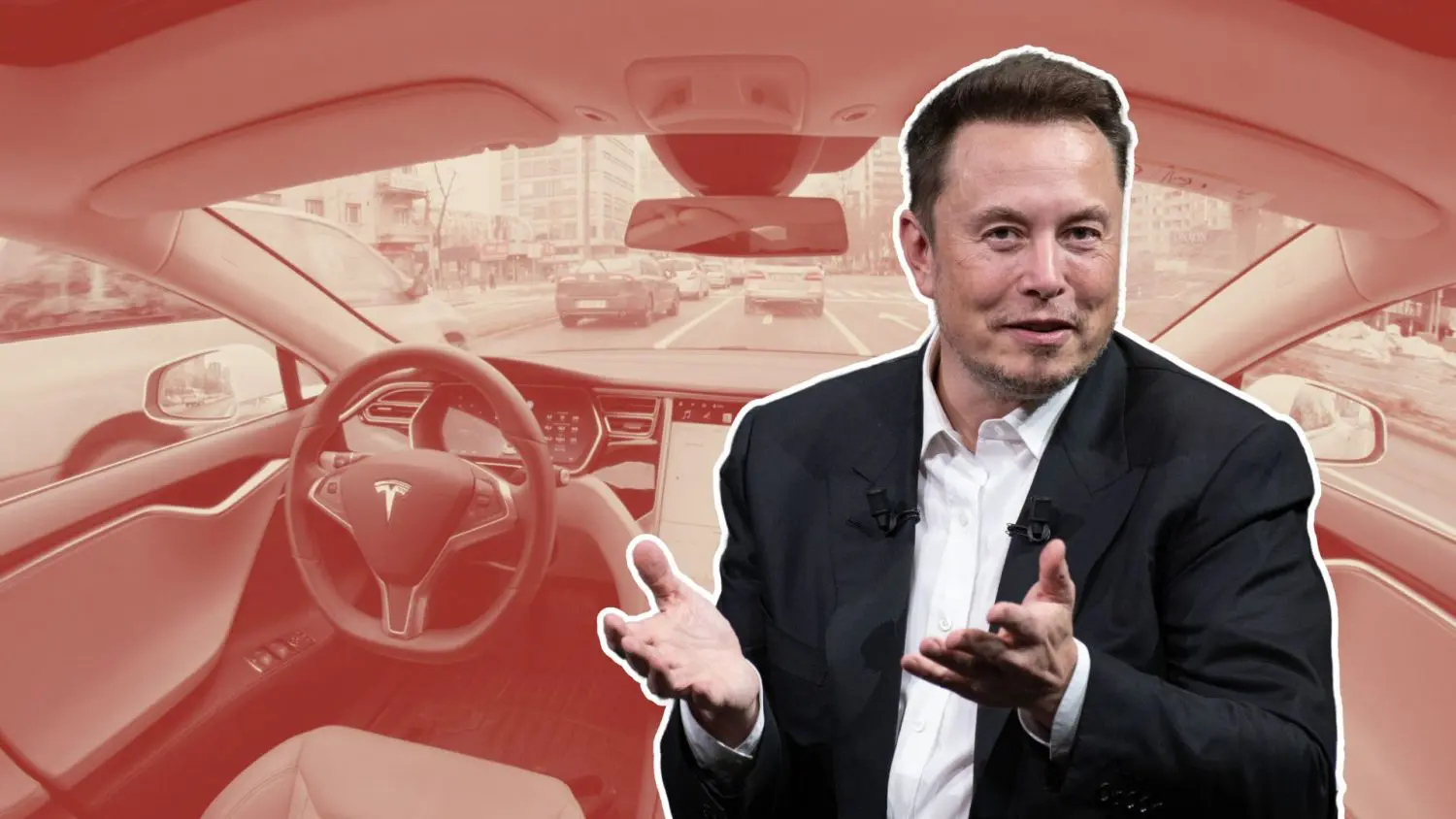
Despite benefiting greatly from previous subsidies, Elon Musk and Tesla have voiced support for ending the tax credit, which Musk believes could benefit Tesla in the long run by making it harder for competitors, such as General Motors (GM) and Ford, to compete on cost. Musk’s stance stems from Tesla’s dominant position in the EV market, which, according to recent data, saw the automaker accounting for nearly half of all U.S. EV sales in the third quarter. However, smaller EV rivals like Rivian and Lucid saw their stock prices take a hit after news of the possible subsidy repeal.

The discussions come after Trump’s election victory, where his campaign promises included rolling back Biden’s clean-energy initiatives, such as the EV tax credit introduced in the Inflation Reduction Act. Trump’s transition team views the credit as an easy target for repeal, believing it could gain broad support in a Republican-controlled Congress. Additionally, removing the credit could provide cost savings that could fund other tax cuts promised by Trump during his campaign.

Repealing the EV tax credit would pose a severe challenge for the broader U.S. auto industry, particularly traditional automakers such as GM and Ford. These companies are still ramping up EV production, and the credit has been vital in making their electric vehicles more affordable to consumers. Ford, in particular, is struggling with demand for its electric F-150 Lightning and has faced significant losses in its EV sector. The United Auto Workers (UAW), representing many of these automakers, has opposed the repeal, warning that it could jeopardize auto industry jobs.

Meanwhile, some industry experts argue that Tesla could weather the loss of the subsidy thanks to its lower production costs and engineering advantages. Additionally, the Biden administration’s policies, such as tariffs on Chinese EV imports, may continue to benefit Tesla by keeping more affordable Chinese EVs out of the increasingly competitive U.S. market.

The fate of the EV tax credit will be a critical factor in shaping the future of electric vehicle adoption in the U.S., with the potential to either boost or stifle the transition toward cleaner transportation. As the Trump administration moves forward with its energy policy, the auto industry and consumers will be watching closely to see how these decisions unfold.


Read More
More from Articles
Volkswagen to halt U.S. production of ID.4 as EV demand softens

Volkswagen to halt U.S. production of ID.4 as EV demand softens

- April 10, 2026
On the Dash: Volkswagen will stop producing the ID.4 at its Chattanooga, Tennessee, plant in April 2026, marking a major shift in its U.S. EV strategy. The move reflects broader...
Kia targets U.S. pickup market with hybrid truck launch by 2030

Kia targets U.S. pickup market with hybrid truck launch by 2030

- April 10, 2026
On the Dash: Kia will launch its first U.S.-focused pickup by 2030, marking its entry into one of the industry’s most competitive segments. The truck will feature hybrid and extended-range...
Cars.com cuts 11% of workforce, boosts share buyback plan amid cost realignment

Cars.com cuts 11% of workforce, boosts share buyback plan amid cost realignment

- April 10, 2026
On the Dash: Cars.com is reducing its workforce by 11% as part of a broader effort to streamline operations and control costs. The company increased its share repurchase authorization, signaling...
Cox Automotive report shows new-vehicle prices rise in March as incentives stabilize

Cox Automotive report shows new-vehicle prices rise in March as incentives stabilize

- April 10, 2026
On the Dash: New-vehicle prices increased in March, reflecting continued affordability pressure despite improving supply conditions. Incentives held relatively steady, suggesting automakers are maintaining disciplined pricing strategies rather than aggressively...
CBT News
Privacy Overview

This website uses cookies so that we can provide you with the best user experience possible. Cookie information is stored in your browser and performs functions such as recognising you when you return to our website and helping our team to understand which sections of the website you find most interesting and useful.