On the Dash:
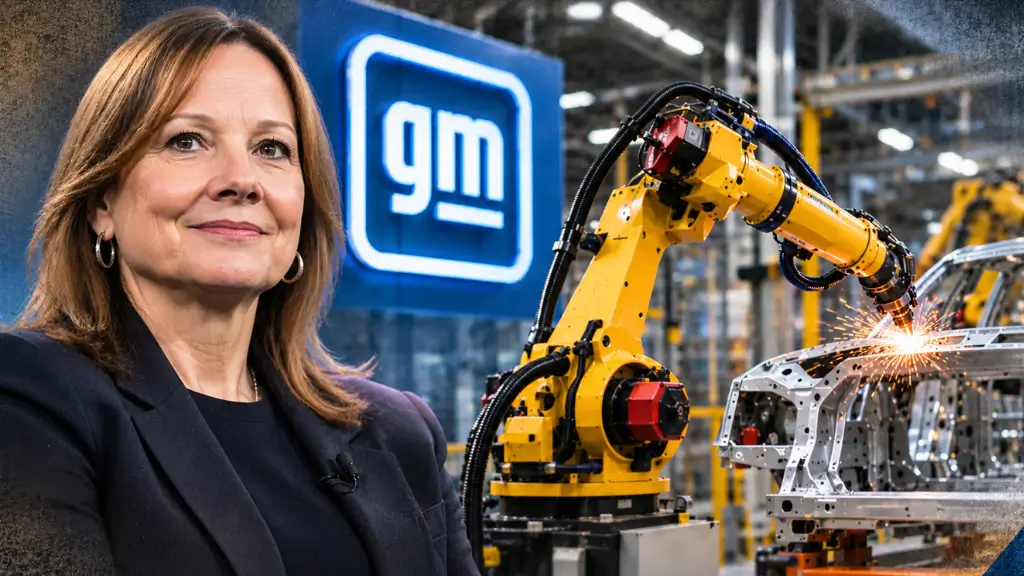
- GM aims to increase the use of robots and other automation at its North American factories by 20% by 2028.
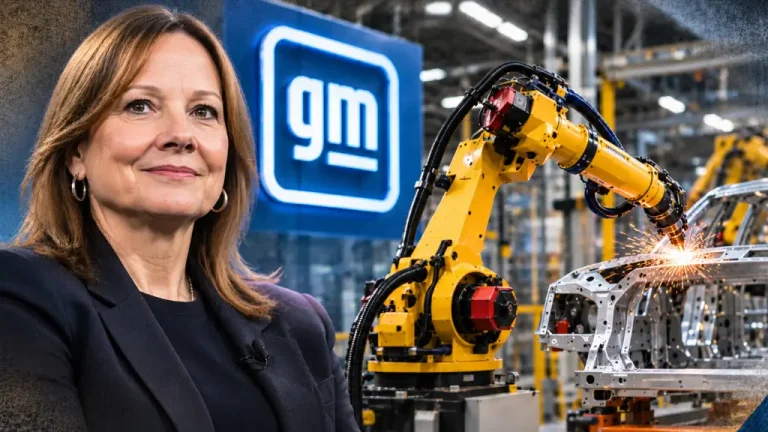
- The automaker is developing and assembling its own robots at its Kokomo, Indiana, plant, focusing on autonomous mobile robots that move parts through factories.
- GM is asking suppliers bidding on new contracts to submit automation plans and is factoring their progress into contract decisions.
General Motors (GM) aims to increase robots and other automation at its North American factories by 20% by 2028 and is assembling its own robots at its Kokomo, Indiana, plant, according to a Reuters exclusive citing two people familiar with the matter.
GM is focused on autonomous mobile robots that move parts through its plants and still buys robotics equipment from outside suppliers while it builds systems in-house. In a statement, GM said it uses automation to improve safety, quality and efficiency and puts these technologies to work in ways that support its manufacturing teams as global competition intensifies.
To further promote automation, GM is asking parts suppliers bidding for new contracts to submit automation plans for their operations. According to the sources, the automaker uses a scorecard to evaluate suppliers’ automation efforts and will consider these scores when making contract decisions. This requirement extends GM’s automation initiatives beyond its own manufacturing operations.
Notably, U.S. automakers have been increasing factory automation in response to higher labor costs following the United Auto Workers‘ (UAW) contract gains in 2023 and pressure to bring more manufacturing jobs to the United States. GM has indicated that its 2023 contract will add approximately $575 in labor costs per vehicle, while Ford estimates an additional $900 per vehicle. Automakers are also contending with higher commodity costs and expenses related to localizing supply chains.
However, rising automation is raising concerns ahead of the 2028 UAW negotiations, when contracts with GM, Ford and Stellantis are scheduled to expire. UAW President Shawn Fain has warned that artificial intelligence and increased automation threaten workers. Meanwhile, Mikell Taylor, GM’s robotics strategy director, said manufacturers must design processes that effectively integrate workers and machines. Last year, GM’s robotics development team comprised around 100 roboticists, AI engineers, and hardware specialists.