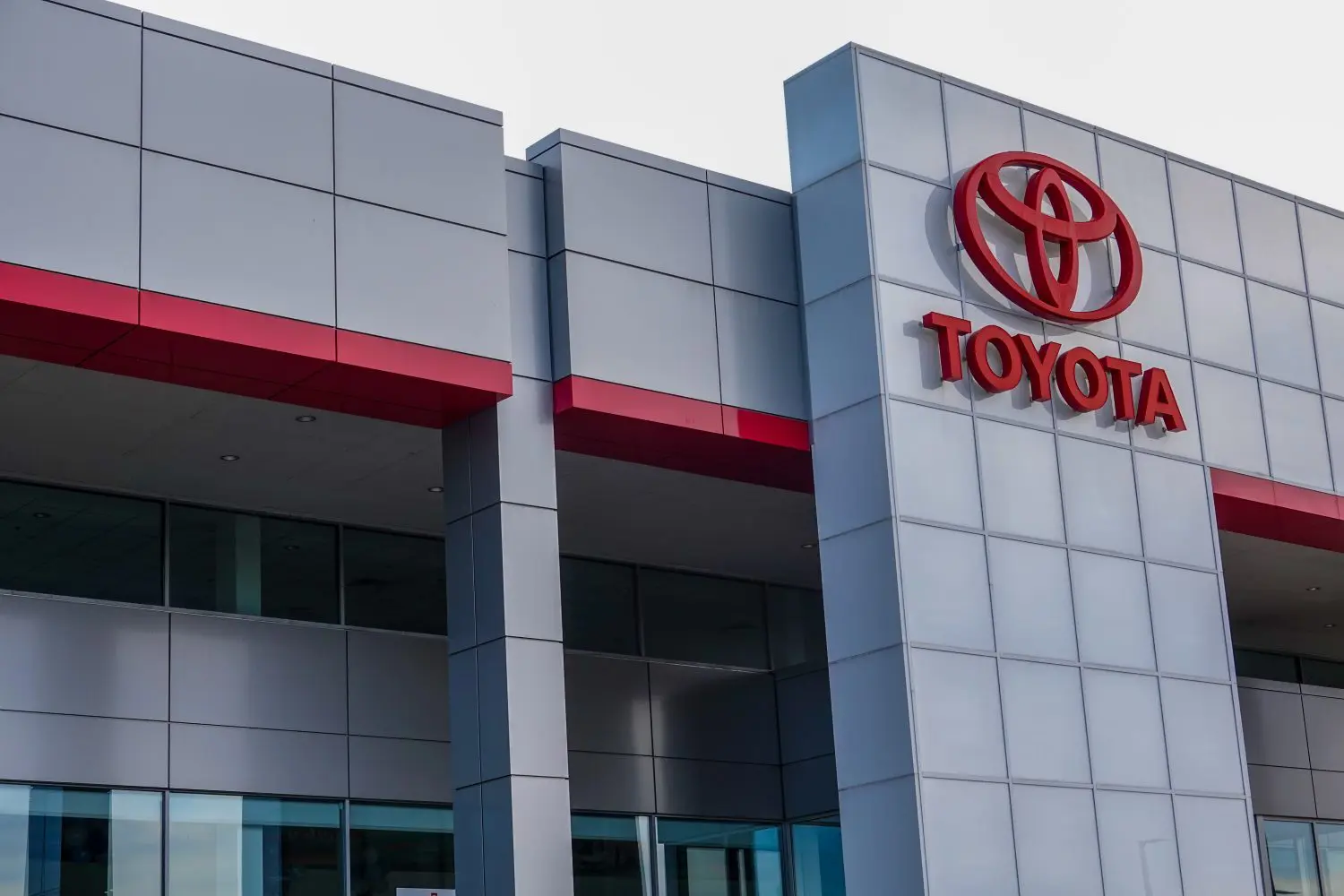
Toyota is facing a new scandal as it halts sales of three models in Japan due to inadequate vehicle verification, including safety tests. This issue compounds the company’s ongoing struggles with misconduct at its group companies.
The Ministry of Transportation in Japan revealed that Toyota, along with Mazda, Honda, Suzuki, and Yamaha, had engaged in improper certification testing. This discovery was part of a ministry-led review.
“It is extremely regrettable that new fraudulent acts have come to light,” the ministry stated, emphasizing that such actions undermine user confidence and the automobile certification system.
Toyota’s Response and Impact
According to the automaker, it will suspend deliveries of the Corolla Fielder, Corolla Axio, and Yaris Cross in Japan from June 3. Other affected models, including the Crown, Isis, Sienta, and Lexus RX, have already been discontinued. The company assured that there are no performance issues breaking laws or regulations and that the affected vehicles can still be used safely.
Toyota Chairman Akio Toyoda apologized at a news conference, admitting that reviews of tens of thousands of tests revealed six violations. He explained that while the vehicles remain safe to drive, Toyota failed to follow the correct certification process due to more stringent internal testing standards.
“The vehicles were produced and sold without going through the correct certification process,” Toyoda said, expressing deep regret.
Broader Implications and Shareholder Concerns
This scandal comes at a sensitive time for Toyota, just before its annual shareholders’ meeting. Two major shareholder proxy groups have recommended against reappointing Chairman Akio Toyoda, citing ongoing testing and certification issues.
“In consideration of the current situation where a spate of certification irregularities occurred in the Toyota Motor group, shareholders are advised to vote against Chairman Akio Toyoda,” stated Institutional Shareholder Services (ISS).
Toyota’s internal probe, prompted by the ministry, is ongoing, but seven models have been identified with testing discrepancies. The company must halt mass production of the affected models until it gains certification approval from the Ministry of Transportation.
Historical Context and Continuing Issues
The latest scandal adds to a series of testing irregularities within Toyota Group companies. In recent years, Toyota’s affiliates, including Hino Motors and Daihatsu, have faced similar issues with emission and safety test certifications.
In January, Chairman Toyoda addressed leaders of 17 group companies, urging them to adhere strictly to compliance standards. Despite these efforts, Toyota itself has now been implicated.
Toyota’s investigation is extensive, covering decades of tests. The company has been working under significant pressure, reporting record sales and production in 2023, which has strained employees and suppliers.
The Ministry of Transportation has instructed 85 automobile manufacturers to investigate and report on testing mishandles. So far, five companies, including Toyota, have reported issues. They must finalize their reports and inform customers about the problems and countermeasures.
Other Affected Automakers
Other companies, including Mazda, Honda, Suzuki, and Yamaha, also reported issues:
– Mazda: Engine control software problems affecting the Roadster RF and Mazda 2.
– Honda: Misstatements in noise test results for 22 models.
– Suzuki: Misstatement of braking device test reports.
– Yamaha: Noise testing under inappropriate conditions.