If you google the average age of a car on the road in America today you will find it’s an astounding 12.5 years and growing! I am in dealerships every day and when I pull data it reveals an average mileage of a customer pay car to be nearly 100K MILES! By and large, people are focusing on longevity and keeping their cars longer and longer. Unfortunately, when it comes to maintaining our vehicles, the owner’s manual is often our go-to resource, providing a roadmap for preventative maintenance and service intervals.
While adhering to these guidelines can help portray a low cost of ownership in the short term and is wonderful for SELLING the car to begin with, it may not be sufficient for maximizing the longevity of our vehicles in the long run.
In this article, we’ll explore why relying solely on the owner’s manual for maintenance recommendations may fall short of ensuring the longevity of your car, and why additional preventative maintenance is crucial for those who aim to keep their vehicles running smoothly for years to come.
The Minimum Standard
The owner’s manual serves as a minimum standard set by manufacturers to ensure the proper functioning and reliability of their vehicles. It outlines essential maintenance tasks such as oil changes, tire rotations, and fluid checks, which are crucial for preventing immediate issues and maintaining warranty coverage. Adhering to these recommendations can indeed help portray a low cost of ownership by minimizing the risk of unexpected breakdowns and costly repairs within the warranty period.
Beyond the Basics
However, the owner’s manual is not exhaustive and may not account for various factors that can impact the longevity of a vehicle. Manufacturers have an incentive to promote a perception of low maintenance costs to attract customers, but they may not prioritize recommendations that prioritize the longest possible lifespan of the vehicle. This is where additional preventative maintenance comes into play.
Importance of Preventative Maintenance
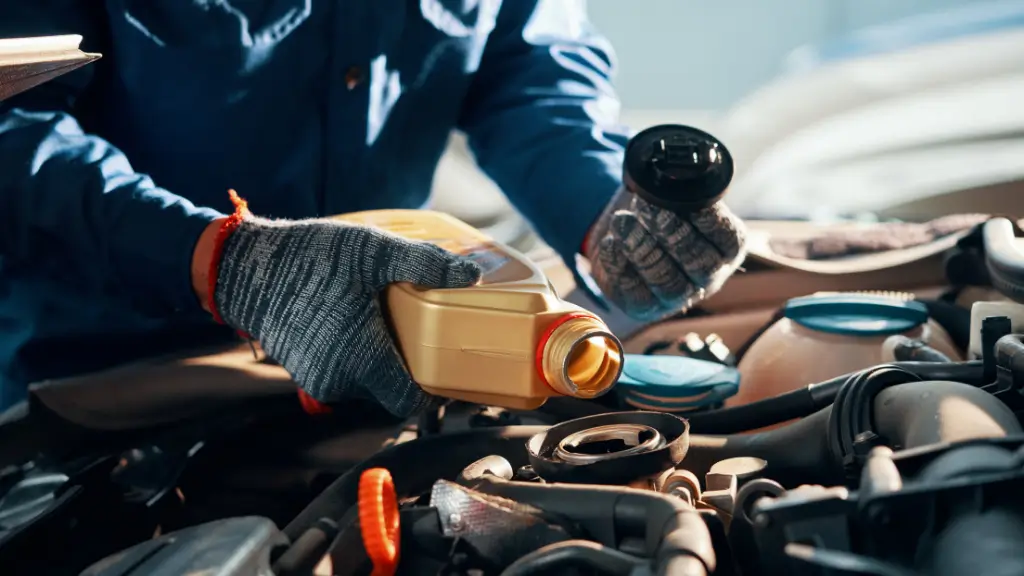
Preventative maintenance goes beyond the minimum requirements outlined in the owner’s manual, focusing on proactive measures to address potential issues before they escalate into costly repairs. This may include more frequent inspections, replacement of wear-prone components, and adherence to stricter maintenance schedules tailored to individual driving habits and environmental conditions.
Factors to Consider
Several factors can influence the need for additional preventative maintenance, including driving conditions, climate, vehicle age, and mileage. For example, vehicles subjected to severe driving conditions such as frequent stop-and-go traffic, towing heavy loads, or extreme temperatures may require more frequent maintenance intervals than those driven under normal conditions.
The Role of Wear and Tear
Over time, wear and tear take a toll on various components of a vehicle, from the engine and transmission to suspension and brakes. While the owner’s manual may provide general recommendations for replacing certain parts at specific intervals, it may not account for variations in driving habits and environmental factors that can accelerate wear and necessitate earlier replacements.
Manufacturer’s Perspective
From the manufacturer’s perspective, encouraging frequent maintenance and repairs may seem counterintuitive, as it could discourage customers from purchasing new vehicles. Manufacturers have a vested interest in promoting a culture of frequent upgrades and turnover, as it drives sales and revenue. Therefore, their recommendations may prioritize short-term cost savings over long-term vehicle longevity.
The Cost of Longevity
While additional preventative maintenance may entail upfront costs, the investment can pay dividends in the form of extended vehicle lifespan, reduced risk of major repairs, and enhanced resale value. By addressing potential issues proactively and maintaining your vehicle in top condition, you can minimize the likelihood of unexpected breakdowns and costly repairs down the road.
Consultation with Experts
To develop a comprehensive preventative maintenance plan tailored to your specific vehicle and driving habits, it’s essential to consult with knowledgeable automotive professionals. Whether it’s a trusted mechanic, dealership service advisor, or automotive technician, seeking expert advice can help identify potential areas of concern and recommend appropriate preventative measures to ensure the longevity of your vehicle.
In conclusion, while the owner’s manual serves as a valuable resource for routine maintenance, relying solely on its recommendations may not be sufficient for maximizing the longevity of your vehicle. Manufacturers have an incentive to promote a perception of low maintenance costs to encourage frequent turnover, but additional preventative maintenance is crucial for those who aim to keep their vehicles running smoothly for years to come. By investing in proactive measures to address potential issues and consulting with automotive experts, you can ensure the continued reliability and performance of your vehicle for the long haul.