On the Dash:
- Carvana is effectively expanding the reach of its CDJR dealerships by shipping new vehicles to buyers far beyond their local markets.
- Traditional dealers can compete by making online purchasing, remote delivery, and trade-in options easier for customers to find and complete on their websites.
- Carvana’s growth proves that a streamlined buying experience helps dealers capture shoppers who value convenience over showroom location.
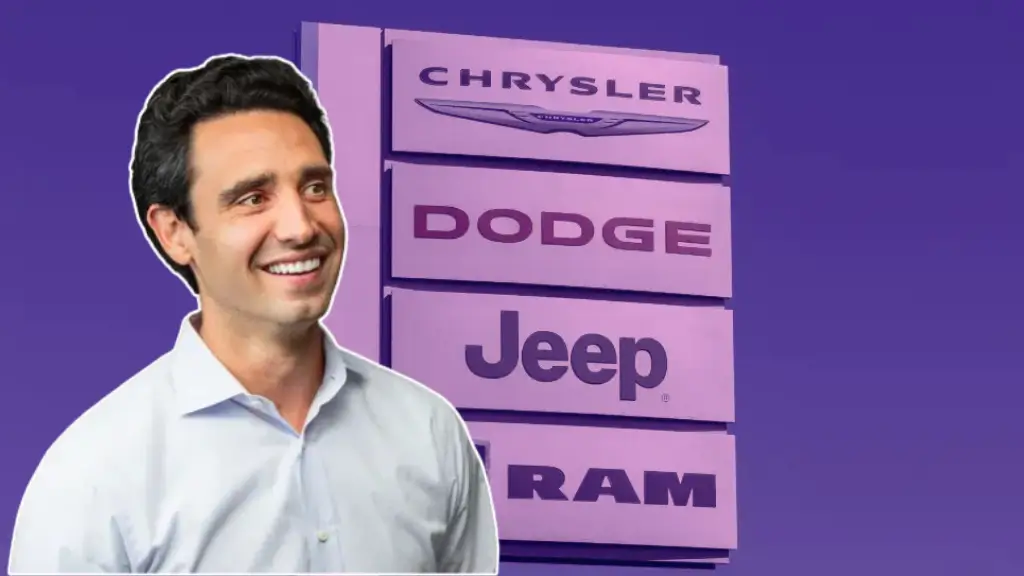
E-commerce giant Carvana is rapidly expanding its footprint in the new-vehicle market, using its established nationwide logistics network to ship Chrysler, Dodge, Jeep, and Ram (CDJR) vehicles to customers who often live hundreds of miles from their nearest dealership.
Since last year, Carvana purchased seven Stellantis dealerships across the country for a combined $200 million. The company has applied its no-haggle online buying model and home delivery system, long used for its used-vehicle business, to new cars as well, shipping vehicles nationwide rather than limiting sales to the areas surrounding its stores.
According to an analysis by LocaliQ Automotive, Carvana’s new-vehicle registrations surged 65% from March to June, and the company registered more than 4,300 new Chrysler, Dodge, Jeep and Ram vehicles during that four-month window, surpassing large retailers such as AutoNation. In June alone, buyers registered 1,378 new Carvana-purchased vehicles across 1,205 ZIP codes in 37 states.
Carvana’s CDJR dealership in the Phoenix area achieved a remarkable milestone in June, selling nearly 1,000 new vehicles. This volume is approximately three times that of the next highest-performing Stellantis retailer. Before Carvana acquired the dealership, it typically sold only a few dozen new vehicles each month.
Carvana reports that its new vehicle business is profitable and continues to expand its online ordering options. However, Stellantis dealers are questioning whether Carvana receives fair treatment regarding vehicle allocation, website standards, and long-distance sales. Additionally, dealers are concerned about Carvana’s ability to provide service and support to customers after the sale. Although Carvana’s approach highlights the growing consumer demand for simple online purchasing, home delivery, and flexible transaction options.