On the Dash:
- Hyundai is considering significantly increasing Georgia production capacity as it expands its U.S. manufacturing footprint.
- The automaker plans to build at least 80% of its U.S.-sold vehicles domestically by the end of the decade.
- Additional Georgia capacity could bring more Hyundai, Kia and Genesis products into the U.S. market from domestic production.
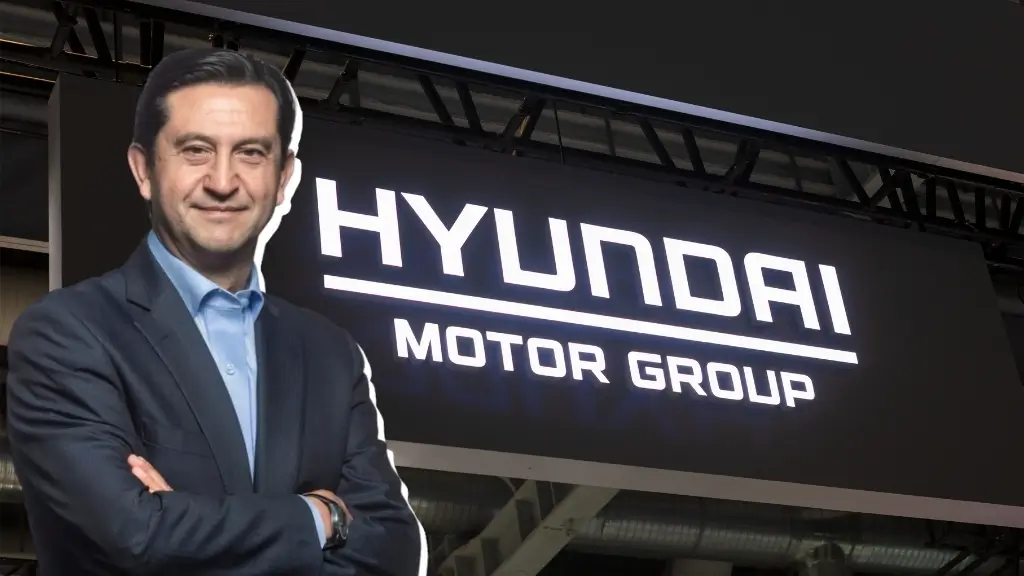
Hyundai is evaluating the possibility of increasing the planned production capacity at its Georgia Metaplant from 500,000 to approximately 700,000–800,000 vehicles annually. CEO José Muñoz told CNBC Thursday that the goal is to have this extra capacity ready by 2028, but the automaker has since clarified that the expansion is still under review and has not been officially decided.
This expansion would further accelerate Hyundai’s localization strategy in the U.S., as the company plans to invest $26 billion through 2028 to produce at least 80% of the vehicles it sells domestically by the end of the decade, up from roughly 40% in 2024.
If Hyundai moves forward with the expansion to 700,000 or 800,000 units annually, the Metaplant could become the largest vehicle assembly plant in the U.S. by capacity, surpassing facilities operated by Tesla and Toyota. While the automaker is exploring additional U.S. production capacity for body-on-frame trucks and SUVs, the current plan for 500,000 units includes more than 8,500 employees at the Georgia megasite and an additional 6,900 workers at off-site suppliers.
The plant’s mission is also expanding beyond its initial emphasis on EVs, as the $7.6 billion Metaplant currently produces the Hyundai Ioniq 5, Ioniq 9 and Kia Sportage hybrid. The automaker intends to manufacture a wider variety of vehicles at this facility, including hybrid and electric models for Hyundai, Genesis and Kia.
This expansion is taking place as Hyundai, Kia and Genesis have collectively increased their U.S. sales by nearly 50% this decade.