Virtually every mass-market carmaker has goals to make and sell more EVs than ICE vehicles by 2030. General Motors announced its intention to produce only emissions-free vehicles by 2035 at CES 2021. By 2030, Volvo plans only to offer new all-electric cars. And as global EV sales surge an estimated 120% in Q1 2022, the question is this: can the auto industry make the change to electrified models at the forecasted pace?
A new McKinsey Quarterly report explores the drive toward electrification and identifies two main areas that need to be addressed for a conversion to all-electric sales to stick. The first is to get gigafactories up and running to fulfill the supply of batteries. Secondly, but importantly, charging infrastructure needs to meet the demand. And for obvious reasons, those two topics generate many more questions that require answers.
Can gigafactories get online fast enough?
Factories that produce batteries on a gigantic scale are the crux of the surge into electrification, clearly because all EVs require battery packs. Regardless of the tech involved in producing EV batteries – Li-ion, solid-state, or any other chemistry – they need to make enough batteries to supply every vehicle built, plus extra for warranty services and aged-out units.
McKinsey estimates that the worldwide auto industry would need to add 200 more gigafactories by 2030, more than doubling the current 130 and requiring an investment expected to exceed $400 billion. They point to false starts in construction and unexpected delays that plague the opening of these monumental facilities, and by 2025 there could already be a shortage of 300,000 batteries for units in North America alone.
They also point out that relatively tight profit margins are challenged by unexpected production stoppages for a host of issues once production is achieved. It can quickly turn into a losing venture.
How will the charging network form?
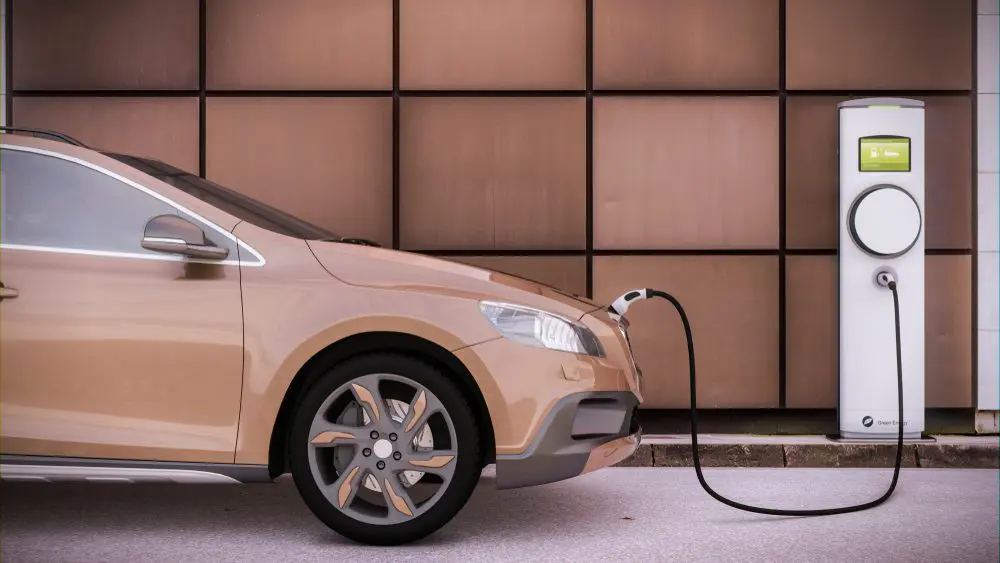
EVs need to be charged once they reach the end users’ driveways. Home charging isn’t viable for a considerable segment of the American population and perhaps even more so for global markets. Much like the current fuel station model, reliance on dependable public chargers is necessary. But by 2030, the American public charging network would need to expand by about 12 times to satisfy the growing demand for electrification.
According to McKinsey’s report, the American charging network would need an investment of approximately $35 billion. That figure doesn’t account for upgrades to the electrical grid that, in many areas, are critically necessary to support EV charging. And at the moment, less than one-quarter of that required spending is committed to the Infrastructure Investment and Jobs Act under the Biden Administration.
Then there are the details the industry and governing bodies need to consider, such as a charging speed standard, the charging port protocols that need to be adopted for uniform availability, and providing access to all.
Bumps along the way, but not impossible
There are a few years for regulators, OEMs, and battery makers to align their interests more granularly so electrification goals can be met. Expect more joint ventures between OEMs to build gigafactories that synergize all involved and look for future announcements at an even faster clip. And as the industry has seen in recent days with the Foxconn purchase of the Lordstown Motors plant, non-automotive players could spring into the mix too.
Although timelines for a transition to electric vehicles have been established as targets, few are hard and fast and could be bumped back. What seems to be sure is that ICE vehicles are being slowly phased out – it’s just a matter of how long it will take.
Did you enjoy this article from Jason Unrau? Read other articles on CBT News here. Please share your thoughts, comments, or questions regarding this topic by submitting a letter to the editor here, or connect with us at newsroom@cbtnews.com.
Be sure to follow us on Facebook and Twitter to stay up to date or catch up on all of our podcasts on demand.
While you’re here, don’t forget to subscribe to our email newsletter for all the latest auto industry news from CBT News.