On the Dash:
- Waymo’s service pause highlights how infrastructure failures can disrupt fully driverless systems, even as robotaxi deployments expand.
- The incident underscores regulatory and operational contrasts between Waymo’s driverless model and Tesla’s supervised ride-hailing approach.
- Public trust and city readiness remain critical hurdles as autonomous vehicles scale in dense urban environments.
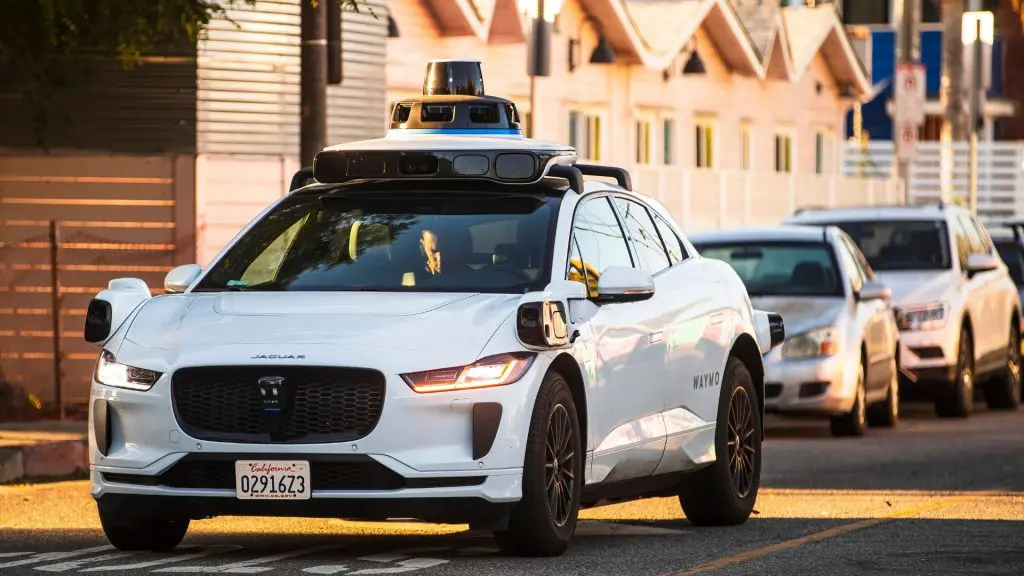
Alphabet-owned Waymo resumed its fully driverless ride-hailing service in the San Francisco Bay Area after temporarily suspending operations during widespread power outages that disrupted traffic across the city over the weekend.
The outage began around 1:09 p.m. Saturday and peaked roughly two hours later, affecting about 130,000 Pacific Gas and Electric customers. As of Sunday morning, approximately 21,000 customers remained without power, primarily in the Presidio, Richmond District, Golden Gate Park, and parts of downtown San Francisco. PG&E said the outage was caused by a fire at a substation that resulted in “significant and extensive” damage and did not provide a timeline for full restoration.
As the blackout spread, social media videos showed multiple Waymo autonomous vehicles stopped in traffic at intersections with non-functioning signals.
Waymo confirmed it proactively paused service Saturday evening and into the first half of Sunday while coordinating with city officials. A company spokesperson said the Waymo Driver is designed to treat non-functional traffic signals as four-way stops, but the scale of the outage caused vehicles to remain stationary longer than usual while confirming intersection conditions. That behavior contributed to congestion during peak traffic, the company said. Most active trips were completed before vehicles were returned to depots or safely pulled over.
San Francisco Mayor Daniel Lurie said police officers, fire crews, parking control officers, and city ambassadors were deployed across affected neighborhoods to manage traffic and restore transit services.
Muni lines and traffic signals are impacted by the power outage. If you don’t need to travel tonight, please stay off the roads and stay inside.
We will be expanding officer presence at intersections and corridors to ensure the safety of those still on the road.
We remain in… pic.twitter.com/Q30y3SPXa9
— Daniel Lurie 丹尼爾·羅偉 (@DanielLurie) December 21, 2025
During the disruption, Tesla CEO Elon Musk posted on X that Tesla robotaxis were unaffected. Tesla, however, does not operate a driverless robotaxi service in San Francisco. The company’s local ride-hailing offering uses vehicles equipped with “FSD (Supervised)” and requires a human driver at all times. State regulators have confirmed Tesla does not have permits to operate driverless services without human safety supervisors in California.
A survey by the American Automobile Association earlier this year found that about two-thirds of U.S. drivers are fearful of autonomous vehicles.