On the Dash:
- Volkswagen Chattanooga workers have authorized a UAW strike vote, giving the union bargaining committee the power to act if contract talks fail.
- The UAW is pushing for stronger job security, guaranteed product commitments, and reduced healthcare costs, citing financial strain among employees.
- VW insists its current offer is fair and warns a strike would disrupt operations and the local community, while some workers remain skeptical of the union’s approach.
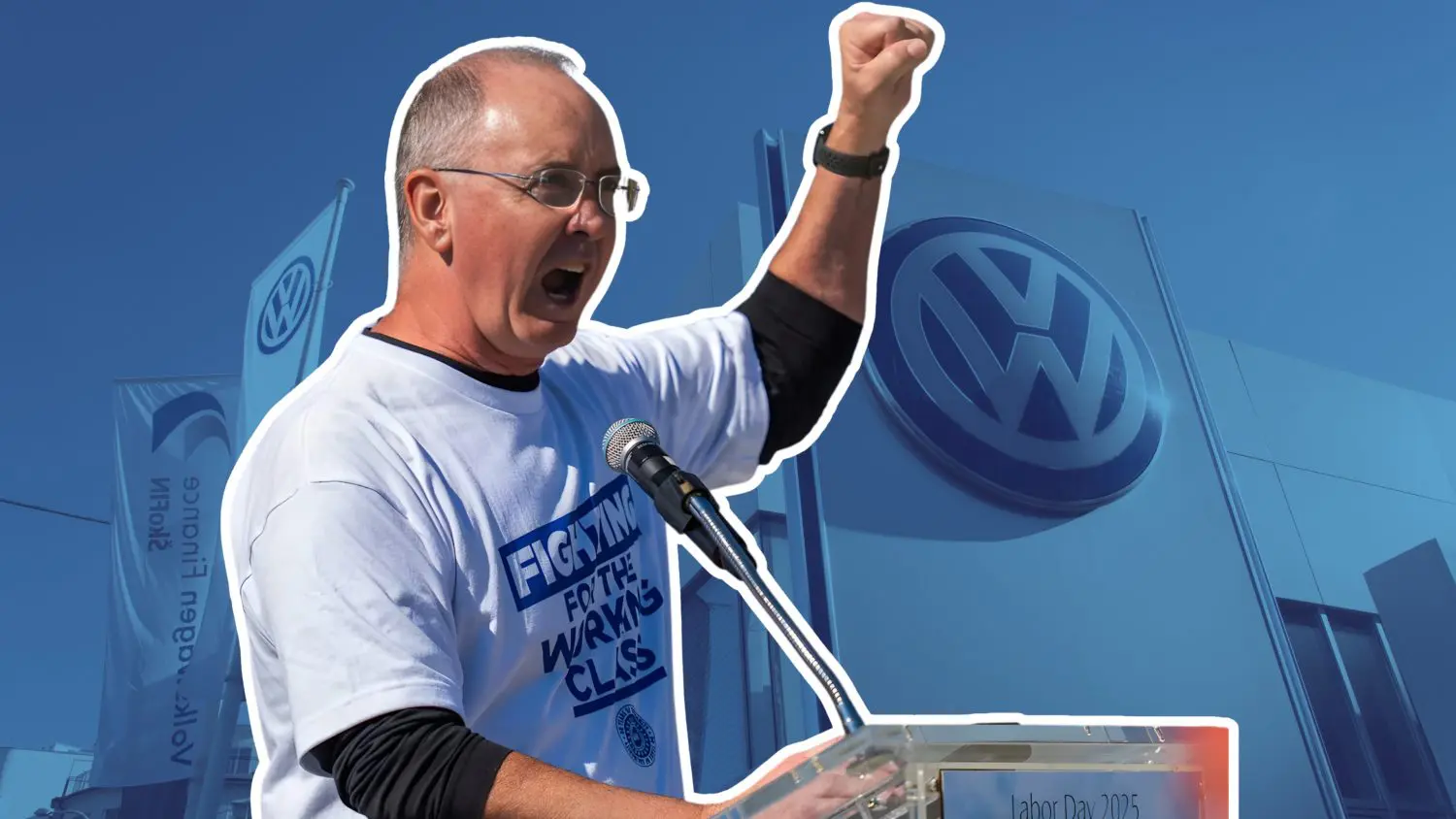
Volkswagen employees at the automaker’s only U.S. assembly plant have voted to authorize the United Auto Workers (UAW) to call a strike if negotiations over a new contract fail, marking the first strike authorization at a non–Big Three automaker.
The union said the vote surpassed the two-thirds threshold required under its constitution, though exact figures were not released. The decision empowers the UAW bargaining committee to initiate a strike if necessary.
The authorization follows months of tense negotiations, with the UAW citing unfair labor practices and Volkswagen’s refusal to include sufficient job security and healthcare protections in its “last, best, and final offer” issued in September. Volkswagen said its proposal includes a 20% wage increase through 2029, cost-of-living adjustments, profit sharing, and a $4,000 ratification bonus, plus an additional $1,500 if employees approve the deal by Friday.
However, the automaker stressed it remains committed to reaching a fair agreement and warned a strike would harm workers and the community.
Moreover, union leaders argued that Volkswagen, which made $20.6 billion in profits in 2024 and generates 20% of those profits in North America, can afford to meet their demands. The UAW has pushed for guaranteed product commitments, stronger job protections against outsourcing or plant closures, and “auto industry standard” healthcare with no premiums, no deductibles, and low out-of-pocket costs. Under the union’s proposal, healthcare costs would be gradually reduced over five years to zero, giving the company time to adjust production and resources.
Although the strike authorization does not immediately trigger a walkout, it strengthens the union’s leverage in ongoing contract talks. The outcome highlights a growing assertiveness among unionized workers outside Detroit’s Big Three automakers and could influence labor relations across the U.S. automotive industry.