Automotive retail discovery is undergoing a structural transformation before consumers ever set foot on a showroom floor or contact a dealership. Rather than scrolling through traditional lists of website links or filtering vehicle inventories by rigid keywords, in-market buyers increasingly rely on generative AI to synthesize recommendations, compare configurations, and narrow buying decisions.
On today’s Inside Automotive episode, we sat down with Jeri Reichel, Assistant Vice President of Strategic Planning at Cox Automotive, to explore how AI-driven search models, zero-click discovery and omnichannel retailing workflows are reshaping dealership customer acquisition heading into 2027.
According to Reichel, search behavior across the digital landscape has shifted from basic keyword queries to complex conversational prompts where consumers outline specific lifestyle constraints and vehicle needs. Reichel noted that modern search platforms now generate direct answers and vehicle recommendations instantly, reducing the need for shoppers to click through traditional blue search result links.
Shifts in digital retailing
Citing industry search benchmarks, Reichel noted that 68% of consumers today resolve their online searches without ever clicking a result link, while one in four consumers now uses AI as their primary search engine. For dealers, this shift means that a car shopper’s crucial first impression is formed inside an AI overview long before they land on a third-party vehicle display page or the dealership’s website.
According to Cox Automotive’s 2026 tracker data, 63% of in-market vehicle shoppers intend to use AI during their next purchase journey. As Reichel explained, shoppers arrive at the dealership far better prepared, possessing narrower consideration sets and asking more specific, sophisticated questions. Because buyers don’t want to restart their research upon arrival, dealers must ensure their vehicle pricing, inventory availability, and promotional incentives match across their websites, third-party syndication channels, and marketing platforms to avoid confusing both car shoppers and automated AI search crawlers.
What is conversational discovery?
To capitalize on conversational discovery, Cox Automotive has implemented interactive AI search tools across Autotrader and Kelley Blue Book. Reichel detailed three core moments of AI influence in which it maintains discoverability during initial research, matches shoppers with relevant local inventory, and offers an actionable next step toward purchase.
“The goal here is choice, so letting the consumer do what they want and are comfortable with, and continuity, so we're not wasting the consumer's time or your dealership staff by repeating step in the process.”
These implementations include conversational natural language search, two-way conversational AI modes and a voice-interactive Google avatar that dynamically refines vehicle selections in real time based on spoken dialogue. Reichel reported that these interactive tools produce substantial sales funnel gains:
- Visit-to-lead lift: Dealership inventory engaged through the conversational AI search mode yields a 34% increase in visit-to-lead conversion.
- Shopper assistant engagement: In-market buyers utilizing the integrated AI shopping assistant are six times more likely to submit a sales lead.
- Buy-online lead volume: Enabling direct online purchasing options on vehicle listings produces an 11% lift in overall lead conversion rates.
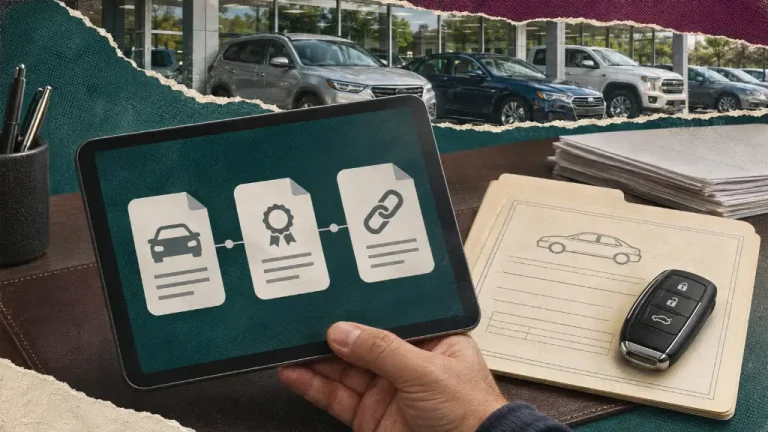
Reichel emphasized that offering digital purchasing options through tools like Accelerate My Deal Elite drives higher conversion even when customers choose to complete the transaction in person. She notes that while roughly 30% of consumers want a fully remote, end-to-end digital purchase, about two-thirds prefer to complete specific steps, such as trade appraisal, credit pre-approval, and identity verification, from home while finalizing delivery at the store.
Protecting dealer control
Smoothly transitioning consumers between remote research and in-store delivery requires strict operational discipline inside the dealership. Reichel warns that digital tools tend to fail when stores’ personnel force shoppers to repeat information already submitted online. To run an effective hybrid retail operation, Reichel recommends establishing clear operational owners for every handoff, including credit application reviews, pricing exception management, and customer messaging.
According to Reichel, maintaining a software-agnostic infrastructure across customer relationship management (CRM) and dealership management systems (DMS) allows stores to capture online customer progress without disrupting existing sales floor workflows. She asserts that digital checkout doesn’t displace dealership authority; rather, dealership personnel remain essential for negotiating terms, reviewing contracts, resolving deal exceptions, and providing human guidance.
Looking to 2027, Reichel urged dealership executives to assess the entire customer journey rather than fixating on raw lead counts, which can mislead stores as zero-click browsing expands. Over the next 90 days, Reichel advised dealership principals and general managers to mystery-shop their own stores and navigate their digital listings, initiate a deal online, test the transition to human staff, and immediately eliminate the first operational friction point they discover.