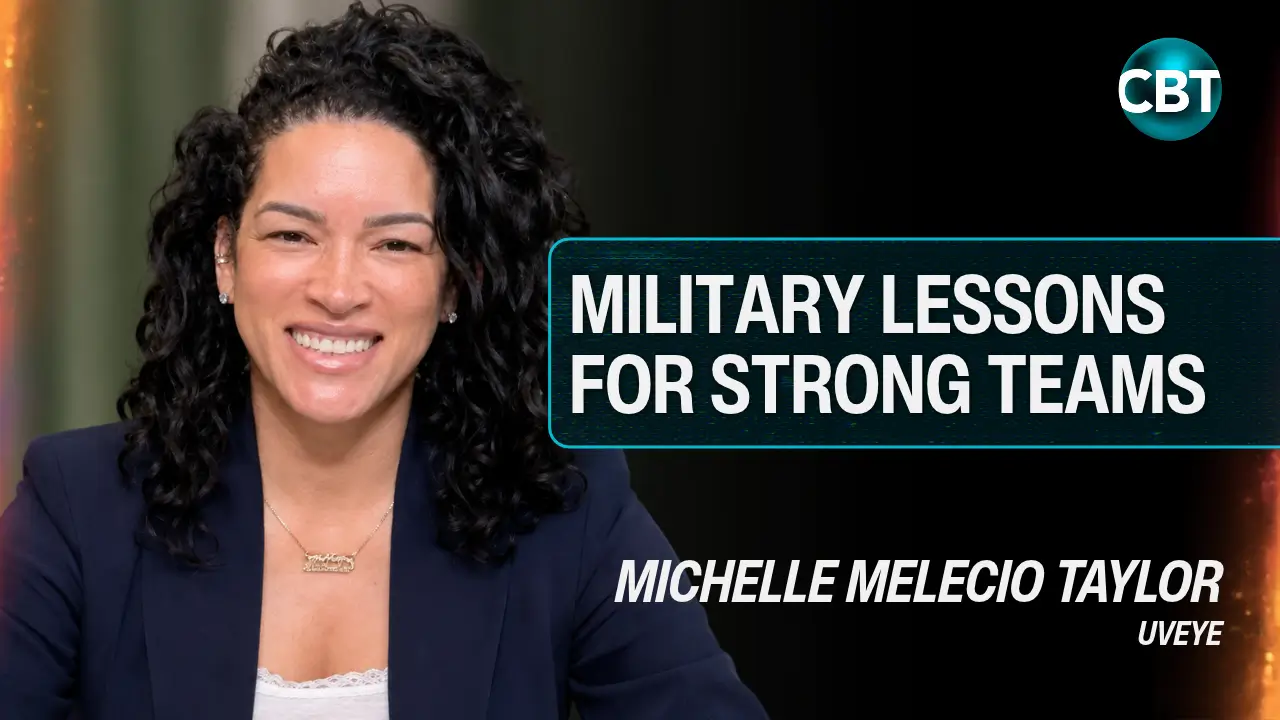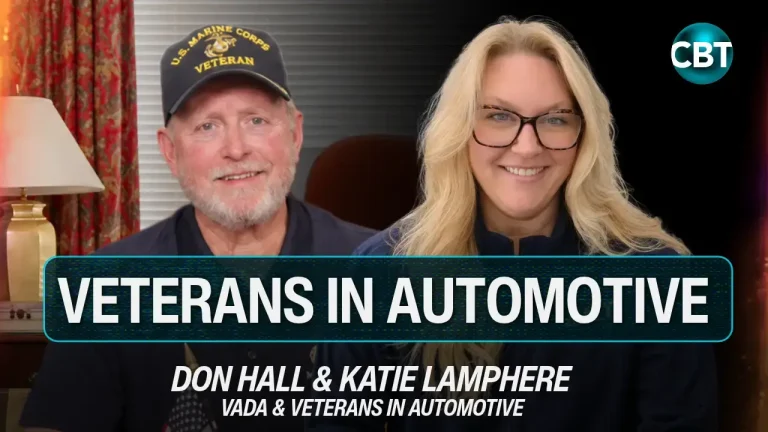
Today is Veterans Day, and everyone at CBT News would like to thank all of the men and women who have served our country. Many of those veterans now have careers in the automotive industry, and efforts are underway to help dealers hire more of them. On today’s edition of CBT Live, Katie Lamphere, U.S. Navy Veteran and Founder of Veterans in Automotive, and Don Hall, U.S. Marine Corps Veteran and President and CEO of the Virginia Automobile Dealers Association (VADA), joined us to discuss how military service shapes careers in the car business and how dealers can bring more veterans onto their teams.
Opening today’s discussion, Lamphere reflects on joining the Navy in 1989. She says she began as a dealership receptionist, but serving aboard the USS Yellowstone during Desert Shield and Desert Storm showed her how much teamwork depends on trust and attention to detail. After leaving the Navy, she returned to a dealership and now runs Veterans in Automotive, which hosts events like a recent career day in San Antonio to connect veterans with careers beyond the sales floor. Following that event, she recited an anecdote about two veterans who had been out of work for months and found jobs in a dealership service department.
Lamphere says plenty of veterans are looking for work, and she wants dealers to do more than offer thanks. “We owe them so much more than a thank you for your service and shaking their hand, you know, and there’s a sale for you,” Lamphere said. “I think we can do so much more.”
Then, Hall credits the Marine Corps for a career in the auto industry that has stretched nearly five decades. After enlisting in 1974 as a 17-year-old who had run away from a broken home, he says the skills he built there, like self-discipline, following procedures, and leading people, carry straight over to dealerships. Veterans also know how to work with every kind of personality, which suits car sales and service, and he advises dealers to go find them.
“Hire veterans today. Find ways to recruit,” Hall said. “We need to recruit around military bases and then bring them back to their home states where they want to live because a lot of them don’t want to stay where they’re discharged from.”