
TSLA445.17011.72%
GM75.810-0.63%
F13.5851.595%
RIVN14.2700.32%
CYD51.0202.5%
HMC24.3700.26%
TM186.8905.22%
CVNA69.900-3.82%
PAG166.580-2.45%
LAD273.220-2.08%
AN191.110-4.25%
GPI327.780-8.36%
ABG192.850-0.83%
SAH76.120-2.46%
TSLA445.17011.72%
GM75.810-0.63%
F13.5851.595%
RIVN14.2700.32%
CYD51.0202.5%
HMC24.3700.26%
TM186.8905.22%
CVNA69.900-3.82%
PAG166.580-2.45%
LAD273.220-2.08%
AN191.110-4.25%
GPI327.780-8.36%
ABG192.850-0.83%
SAH76.120-2.46%
TSLA445.17011.72%
GM75.810-0.63%
F13.5851.595%
RIVN14.2700.32%
CYD51.0202.5%
HMC24.3700.26%
TM186.8905.22%
CVNA69.900-3.82%
PAG166.580-2.45%
LAD273.220-2.08%
AN191.110-4.25%
GPI327.780-8.36%
ABG192.850-0.83%
SAH76.120-2.46%

U.S. government expands solar energy development on federal land

The administration's efforts are also designed to address the permitting bottlenecks that have slowed solar development on public lands.

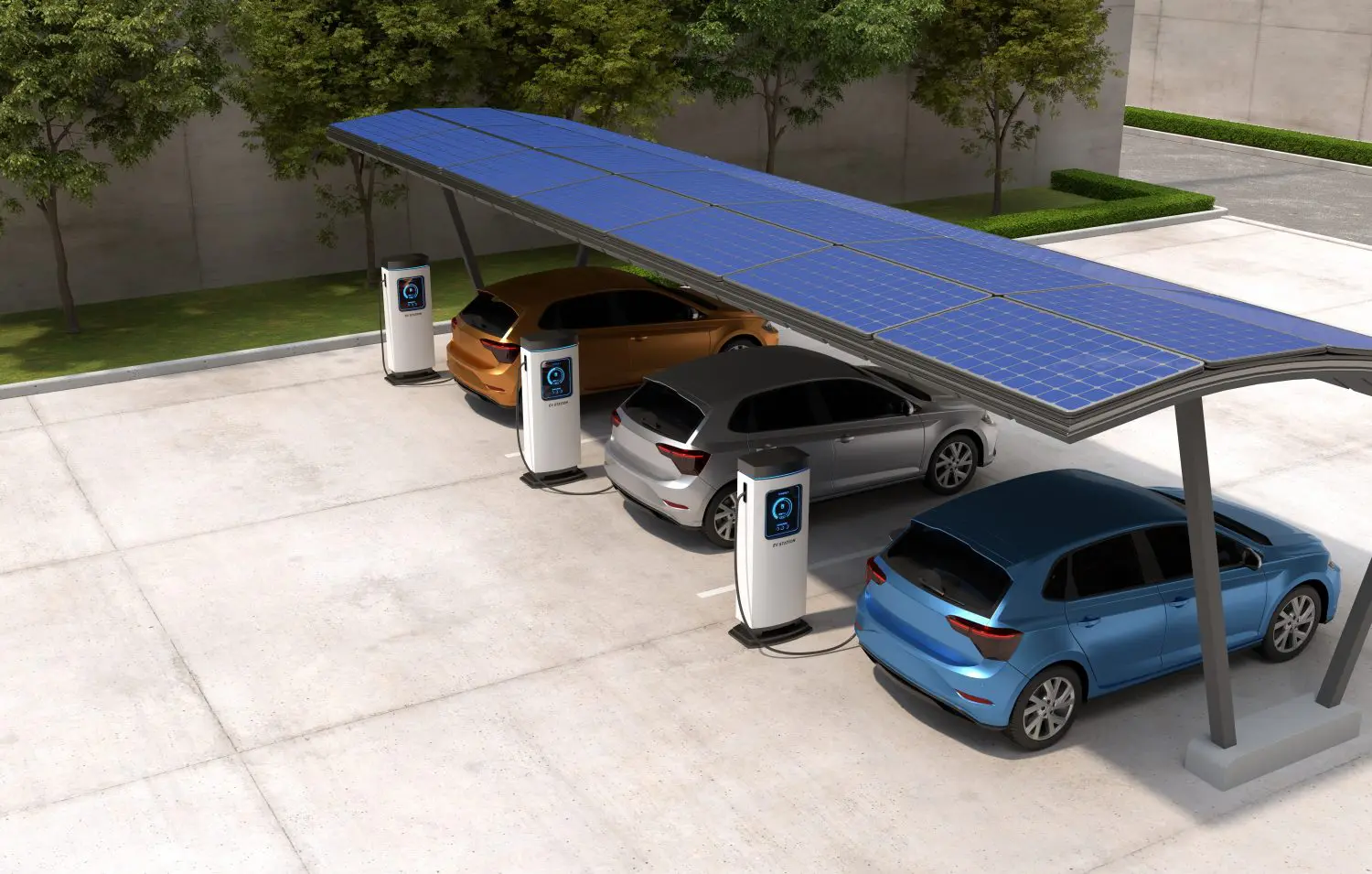
In a significant move towards boosting renewable energy, the Biden administration has finalized an expansive plan to make 31 million acres of federal land in 11 western states available for solar energy development. This updated Western Solar Plan, overseen by the Bureau of Land Management (BLM), increases the acreage from the previously proposed 22 million acres and adds five more states to the initial six.

The expanded plan now includes Idaho, Montana, Oregon, Washington, and Wyoming, in addition to Arizona, California, Colorado, Nevada, New Mexico, and Utah. This initiative is part of President Biden’s broader Investing in America agenda, focusing on infrastructure, clean energy, and job creation as key drivers of economic growth.

Additionally, the plan aims to facilitate the development of solar farms on public lands, strategically placing them closer to transmission lines and on previously disturbed areas while avoiding protected lands, sensitive cultural resources, and crucial wildlife habitats. This effort aligns with the administration’s ambitious target of achieving 100% clean electricity on the U.S. grid by 2035.

The BLM has already exceeded its goal of permitting more than 25 gigawatts (GW) of clean energy projects on public lands, reaching 29 GW in 2024—enough to power over 12 million homes. The updated solar plan is seen as a critical step in accelerating the deployment of renewable energy.

Ben Norris, Vice President of Regulatory Affairs at the Solar Energy Industries Association (SEIA), expressed cautious optimism, stating that while the solar industry is still reviewing the details, the additional 11 million acres is a positive development. However, Norris pointed out that fossil fuels still have access to over 80 million acres of public land, underscoring the need for continued progress in clean energy development.

The administration’s efforts are also designed to address the permitting bottlenecks that have slowed solar development on public lands. Proposed projects under the new plan will still undergo site-specific environmental review and public comment, ensuring that development proceeds responsibly.

White House Deputy Chief of Staff Natalie Quillian emphasized the administration’s commitment to using executive authority to improve the federal permitting process, aiming to catalyze as many clean energy projects as possible before the November election.


More from Articles
The simple 'paperwork' mistake that could cost dealers $10,000

The simple ‘paperwork’ mistake that could cost dealers $10,000

- May 13, 2026
On the Dash: CDK Global says a paperwork problem cost a dealer $10,000 during a manufacturer audit. NADA calls federal record-keeping requirements among the most burdensome rules dealers face today. ...
GM-LG battery venture recalls small group of Ohio workers as EV demand slows

GM-LG battery venture recalls small group of Ohio workers as EV demand slows

- May 13, 2026
On the Dash: EV production volatility is directly affecting supply chain employment and factory output decisions. Incentive-driven demand shifts are forcing automakers to adjust production more quickly than long-term EV...
Nissan projects return to profit after seventh straight quarterly loss

Nissan projects return to profit after seventh straight quarterly loss

- May 13, 2026
On the Dash: Nissan’s projected return to profit could improve dealer confidence after multiple quarters of financial instability. Ongoing model cuts and production restructuring may impact future inventory mix and...
New-vehicle prices rose in April, but the gains fell short of the historical average, with wide variation across brands and segments, according to Kelley Blue Book.

New-vehicle prices rise in April, but the pace is cooling

- May 13, 2026
On the Dash: New-vehicle ATP rose 1.8% year over year in April, below the 3.6% long-term average. Ford and GM posted strong gains while several luxury brands saw transaction prices...
CBT News
Privacy Overview

This website uses cookies so that we can provide you with the best user experience possible. Cookie information is stored in your browser and performs functions such as recognising you when you return to our website and helping our team to understand which sections of the website you find most interesting and useful.