On the Dash:
- Higher tariffs on EU imports could raise vehicle prices and shift demand toward domestically built inventory
- Luxury European brands may face margin pressure, creating pricing and incentive opportunities for dealers
- Ongoing policy uncertainty complicates inventory planning and sourcing strategies
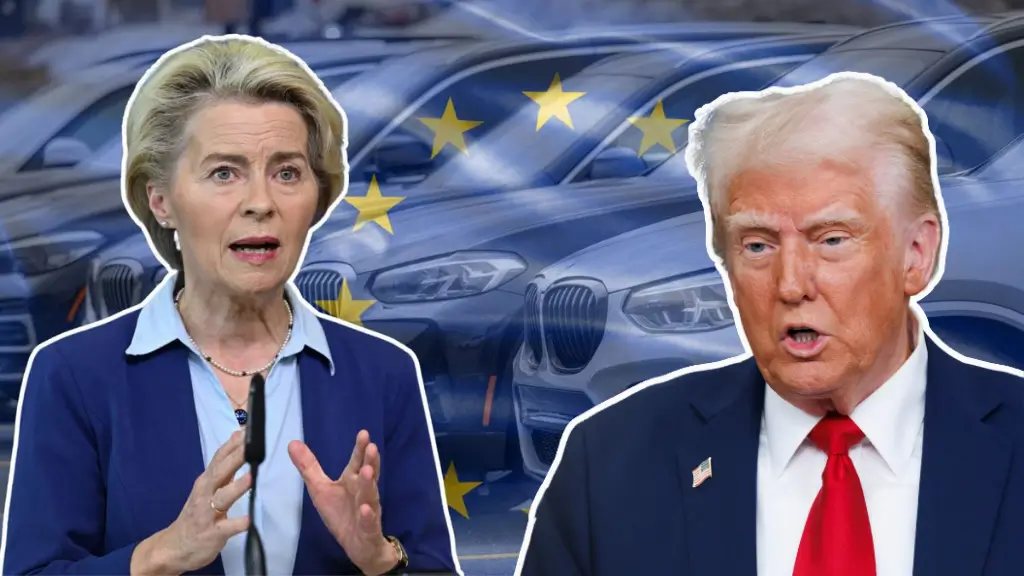
President Donald Trump said he will increase tariffs on cars and trucks imported from the European Union to 25%, escalating trade tensions and adding uncertainty for automakers and dealers.
Trump announced the planned increase in a Truth Social post, stating the move responds to what he described as the European Union’s failure to comply with a previously agreed trade deal. He added that vehicles produced in U.S. plants would not face tariffs.
The administration did not specify the legal authority for the proposed increase. This follows a February Supreme Court ruling that invalidated a key aspect of Trump’s earlier tariff strategy, which relied on the International Emergency Economic Powers Act. The Court concluded that the law does not grant the president the power to impose tariffs. After the ruling, Trump signed an executive order establishing a new 10% global tariff rate under Section 122 of the Trade Act of 1974, which carries a 150-day limit. He later said he would raise that rate to 15%.
The White House said Friday that the European Union has failed to make substantial progress on its commitments under the trade agreement and reiterated that the president can adjust tariff rates if partners do not comply.
The European Union said it remains in close contact with U.S. officials and is seeking clarity on U.S. commitments. A European Commission spokesperson said the bloc remains committed to a stable transatlantic relationship but will keep its options open if U.S. actions conflict with prior agreements.
The administration previously implemented 25% tariffs on imported vehicles and certain auto parts under Section 232, citing national security concerns. Those tariffs remain in effect, and the White House said the proposed increase on EU imports would also rely on Section 232 authority.
European automakers, including Mercedes-Benz, BMW, and Volkswagen, could be hit hardest because they import a significant share of the vehicles they sell in the U.S. from European plants.