On the Dash:
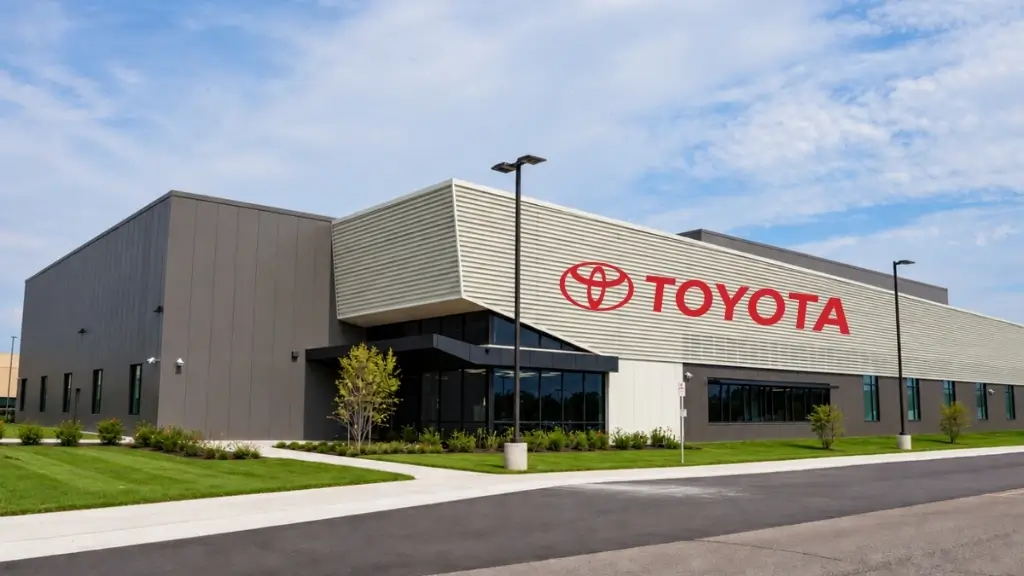
- Toyota plans to invest $10 billion in U.S. auto plants, reflecting growing international commitment to domestic manufacturing.
- Japan’s $550 billion strategic investment pledge includes major projects in energy, AI, and critical materials, aimed at strengthening supply chains and economic security.
- Nuclear energy and EV materials are central to the investment, with projects totaling hundreds of billions to support AI growth and reduce reliance on foreign supply.
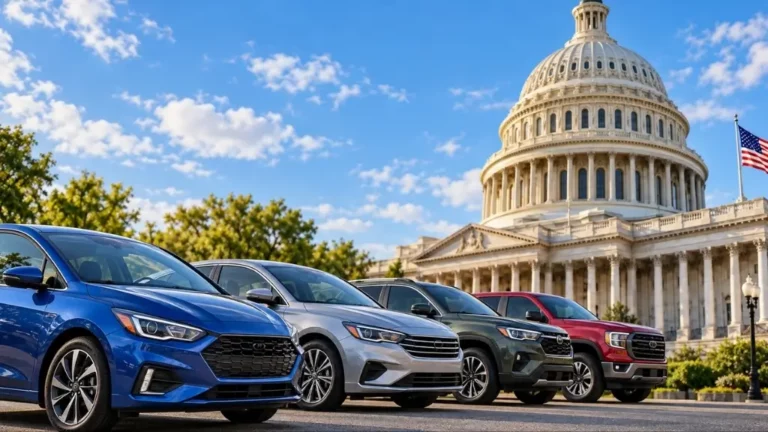
President Trump said Japanese automaker Toyota is set to invest $10 billion in U.S. auto plants, highlighting a major move amid Japan’s $550 billion pledge of strategic investment to the United States. Trump made the comments while addressing U.S. military personnel in Japan, noting that Japanese Prime Minister Sanae Takaichi shared the plan with him.
The Toyota investment is part of a broader effort to strengthen supply chains and support strategic sectors in both countries. A factsheet released by Japan’s finance ministry outlined potential projects valued at up to $400 billion across energy, artificial intelligence, and critical minerals, though it did not specifically mention Toyota.
However, the pledge stems from the September trade agreement in which the U.S. lowered tariffs on Japanese goods in return for Japan committing to notable investments in the U.S. economy.
The investment plan will prominently feature energy and artificial intelligence (AI). Decision-makers have committed over $300 billion to energy projects, including nuclear power initiatives. As a result, many are considering nuclear energy as a viable power source for AI-driven data centers, which demand substantial electricity. Big Tech companies, including Google, Amazon, Microsoft, and Meta, are partnering with energy firms to revive nuclear facilities to meet rising power demands.
The strategic investment outline also covers materials critical to the EV and AI sectors. Potential projects include production facilities for EV battery materials where China currently dominates supply, and up to $100 billion in Westinghouse Electric nuclear reactors and small modular reactors, possibly involving Mitsubishi Heavy Industries, Toshiba Group, and IHI.
Japan’s top trade negotiator, Ryosei Akazawa, emphasized that the investments will build U.S.-based supply chains for critical economic sectors in ways that benefit both countries. While exact details and timelines remain uncertain, the Toyota investment underscores the company’s continued commitment to U.S. production and the broader strategic partnership between Tokyo and Washington.