TSLA393.450-31.85%
GM76.0000.48%
F13.350-0.29%
RIVN18.6301.45%
CYD43.390-2.9%
HMC28.0200.76%
TM174.5904.93%
CVNA68.5900.72%
PAG179.4202.34%
LAD306.23015.93%
AN186.4102.08%
GPI288.3901.79%
ABG205.4007.38%
SAH83.7300.68%
TSLA393.450-31.85%
GM76.0000.48%
F13.350-0.29%
RIVN18.6301.45%
CYD43.390-2.9%
HMC28.0200.76%
TM174.5904.93%
CVNA68.5900.72%
PAG179.4202.34%
LAD306.23015.93%
AN186.4102.08%
GPI288.3901.79%
ABG205.4007.38%
SAH83.7300.68%
TSLA393.450-31.85%
GM76.0000.48%
F13.350-0.29%
RIVN18.6301.45%
CYD43.390-2.9%
HMC28.0200.76%
TM174.5904.93%
CVNA68.5900.72%
PAG179.4202.34%
LAD306.23015.93%
AN186.4102.08%
GPI288.3901.79%
ABG205.4007.38%
SAH83.7300.68%

Toyota scales back October production output due to chip shortage

Toyota production

Image by Toyota

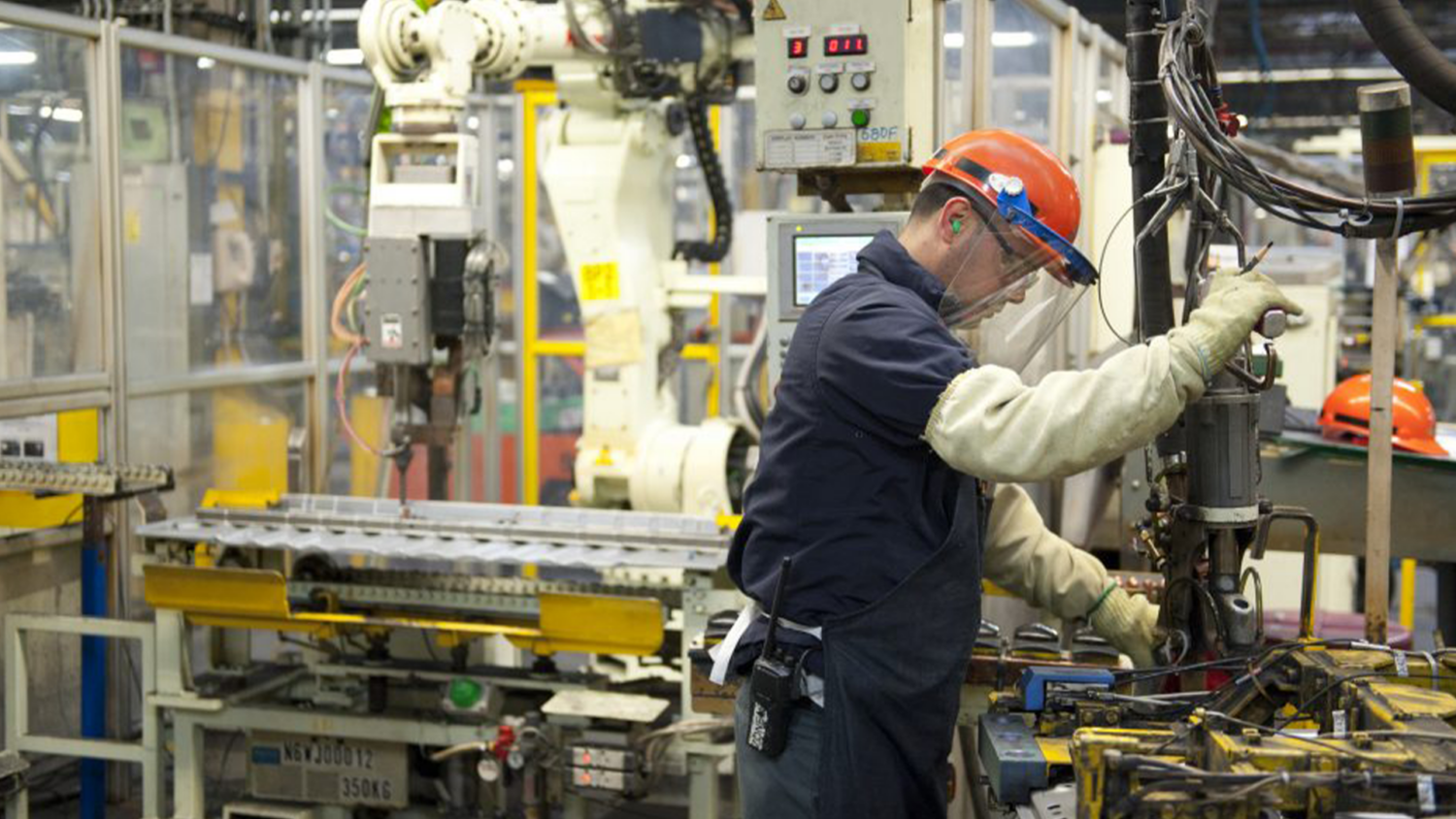
The semiconductor chip shortage is still affecting vehicle manufacturers globally, including the world’s largest automaker by sales, Toyota. On Thursday, the Japanese company said it plans to produce only 800,000 vehicles worldwide in October, a figure that is 100,000 less than its average monthly production plan, due to semiconductor shortages.

The news could be a sign that the semiconductor chip shortage will continue to be an issue for manufacturers in the second half of the financial year, which ends in March 2023. Many companies hope to bounce back from production shortfalls caused by the shortage and supply chain issues over the past year.

Toyota has not adjusted its global vehicle production target for the current financial year and still plans to produce 9.7 million units, a record for the company. The automaker said it expects to make around 850,000 vehicles per month on average through the end of the year.

Toyota plans to suspend production for up to 12 days for ten lines at seven of its domestic factories. Honda is also facing reduced outputs as a result of the chip shortage. The rival company announced on Thursday that it would reduce car production output by 40% at two of its Japanese plants in October due to ongoing supply chain and logistical issues.

Morgan Stanley MUFG Securities said in a report this week that the rise in electrified vehicles and advanced driver-assistance systems will require more semiconductors per vehicle. This could stymie hopes that the semiconductor shortage would ease in the coming months.


Did you enjoy this article? Please share your thoughts, comments, or questions regarding this topic by connecting with us at newsroom@cbtnews.com.

Be sure to follow us on Facebook, LinkedIn, and TikTok to stay up to date.

While you’re here, don’t forget to subscribe to our email newsletter for all the latest auto industry news from CBT News.

More from Articles
EV

Ford Q2 sales fall 10.3% as EVs and F-Series weigh on results

- July 3, 2026
On the Dash: Ford sold 549,200 vehicles in Q2, down 10.3% year-over-year, slightly better than Cox Automotive's projection of an 11.5% decline. Pure EV sales fell 40.7%, while F-Series sales...

Ram and Pacifica drive Stellantis to fourth straight quarter of U.S. sales growth

- July 3, 2026
On the Dash: Stellantis sold 328,284 vehicles in Q2 2026, up 6% year-over-year, and 634,345 in the first half, up 5%. Ram total pickup sales rose 14% in the quarter,...
BMW completes $1.7 billion South Carolina investment, unveils new X5

BMW completes $1.7 billion South Carolina investment, unveils new X5

- July 3, 2026
On the Dash: BMW completed a $1.7 billion investment in Plant Spartanburg and the new Plant Woodruff. The X5 debuts as BMW's first U.S.-built fully electric model, production starting late...
Fourth of July weekend brings big incentives and offers from automakers

Incentives and offers blast off this Fourth of July holiday weekend

- July 3, 2026
The Fourth of July is a busy time for dealers. The holiday gives shoppers more time to look for their next car. Automakers are hoping to hit mid-year sales. And...
CBT News
Privacy Overview

This website uses cookies so that we can provide you with the best user experience possible. Cookie information is stored in your browser and performs functions such as recognising you when you return to our website and helping our team to understand which sections of the website you find most interesting and useful.