
To anyone who’s tinkered with a car lately, it’s clear that the cars of today are not the same as those our forbearers drove. Where once getting under the hood of a car was something that at most required some engineering and mechanics savvy, today it would do you well to have an advanced computing degree.
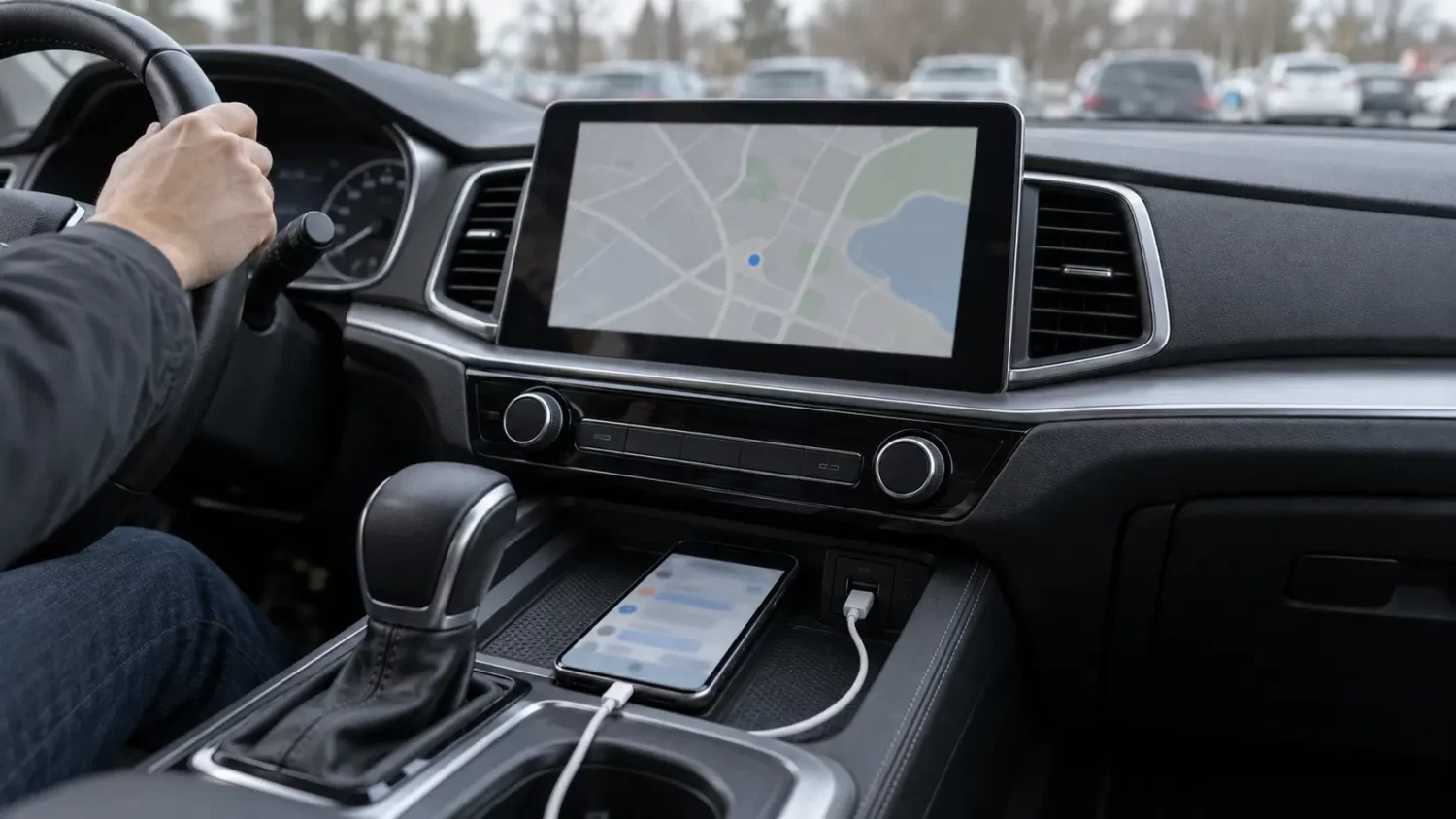
That’s right, vehicles have become yet another computational device, much like our phones, and currently, a lot of that power is directly accessible via a car’s hardware. These physical accouterments to our cars include the GPS navigational system, the radar sensors and the cameras that give 360-degree views of our surroundings. For some time it looked like hardware was king when it came to the future of cars, with each new model coming hot out of the factory tricked out with all kinds of new gadgetry.
 However, the supremacy of hardware is due to fade, according to a new report from ResearchAndMarkets.com. The company just published a comprehensive look at the future of software technology, titled “Global Automotive Software Market Size, Market Share, Application Analysis, Regional Outlook, Growth Trends, Key Players, Competitive Strategies and Forecasts, 2018 To 2026“. According to their findings, the auto world is set to see software, and not hardware, take on a key role in automotive development going into the next decade.
Software has already enjoyed popularity in cars. Already back in 2010, the Chevy Volt sported 4 million more lines of code than an F-35 Joint Strike Fighter plane. Since then the amount of programming used in cars has only increased. These algorithms run everything from entertainment systems to security systems. Vehicular software has progressed to the point that cars can even “communicate” between themselves in order to advance road safety for drivers.
However, the supremacy of hardware is due to fade, according to a new report from ResearchAndMarkets.com. The company just published a comprehensive look at the future of software technology, titled “Global Automotive Software Market Size, Market Share, Application Analysis, Regional Outlook, Growth Trends, Key Players, Competitive Strategies and Forecasts, 2018 To 2026“. According to their findings, the auto world is set to see software, and not hardware, take on a key role in automotive development going into the next decade.
Software has already enjoyed popularity in cars. Already back in 2010, the Chevy Volt sported 4 million more lines of code than an F-35 Joint Strike Fighter plane. Since then the amount of programming used in cars has only increased. These algorithms run everything from entertainment systems to security systems. Vehicular software has progressed to the point that cars can even “communicate” between themselves in order to advance road safety for drivers.
Going back to the ResearchAndMarkets.com report, the trend is set to define car development in the future and will place the Asian Pacific market at the forefront of automotive development. Countries like China and India are specially positioned to take on major roles, being that the area houses a number of top auto industry headquarters and has lately seen a significant jump in country GDP. What does this mean for the future in a practical sense? For one, increased software use will allow manufacturers to push the boundaries of possibility for cars, especially in the autonomous vehicle arena. Because software, as opposed to hardware, takes up relatively little physical space, there are fewer limitations and a whole lot of possibilities open to developers. Already we’re seeing tech companies pairing up with the auto industry to marry the two in various ways and can expect to see more unions like Amazon’s partnership with GM going forward. We should also expect a stronger focus on security. The downside to heavy software use is the very real possibilities of hackers taking control of cars, wreaking havoc on drivers and infrastructure alike. As mentioned in the report, companies are already looking for ways to protect and secure vehicle software, so that this danger doesn’t hinder the progress made possible by software.